Seven inches is a useful length to understand because it is close to the size of many everyday objects found at home, in the kitchen, at school, and in the workplace. Although seven inches might seem like a small measurement, it can be surprisingly easy to recognize when compared with familiar items.
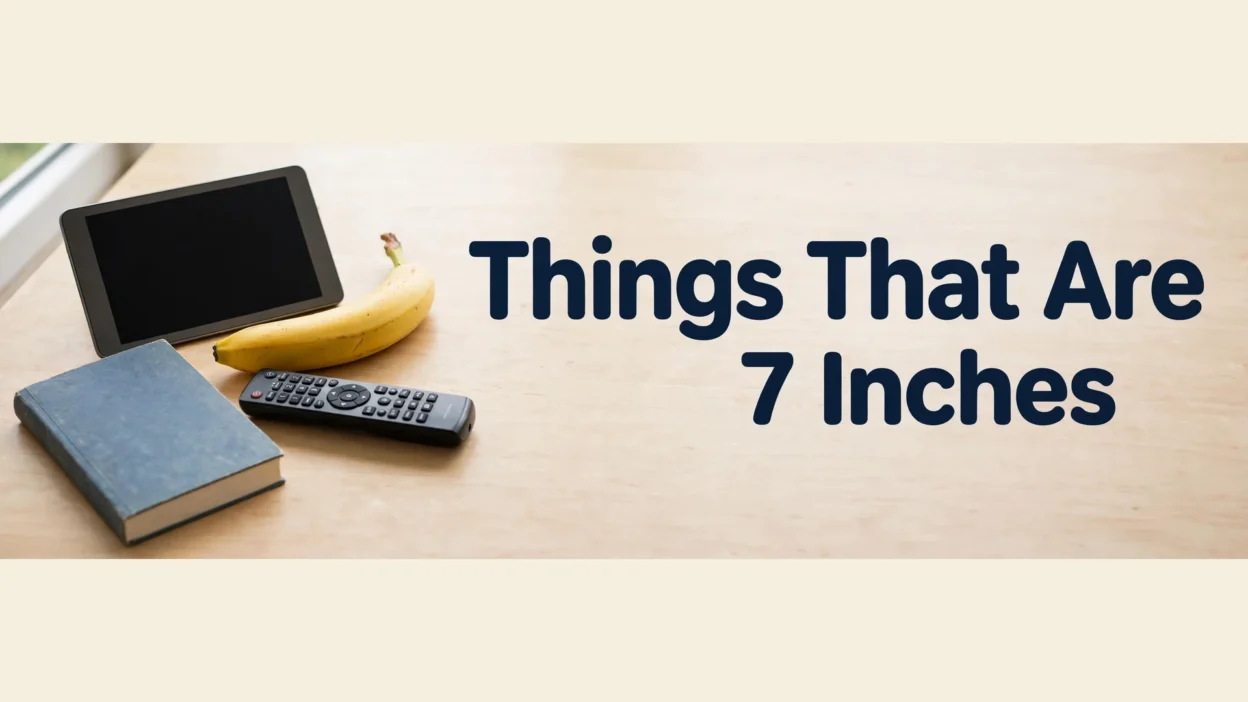
Seven inches equals 17.78 centimetres (cm), 177.8 millimetres (mm), 0.5833 feet (ft), and 0.1778 metres (m). These conversions make it easier to understand the measurement whether you use the imperial or metric system. Everyday objects such as a small tablet, a medium banana, a TV remote control, or a paperback book can provide useful comparisons, although their actual dimensions differ.
What Does 7 Inches Mean as a Length?
Seven inches is a measurement of length in the imperial measurement system. An inch is a standard unit used primarily in the United States to measure everyday objects, furniture, electronic devices, clothing, and many other things.
To picture seven inches, imagine a straight line measuring slightly more than half a foot. Since one foot contains 12 inches, seven inches represents a little over half of that distance. It is also 17.78 centimetres, making it relatively easy to compare with objects measured in centimetres.
In everyday situations, seven inches is long enough to describe a handheld object, a small electronic device, or a common household item. It is not as long as a standard ruler, which usually measures 12 inches, but it is still large enough to be noticed easily.
Another useful comparison is a standard US dollar bill. A dollar bill measures approximately 6.14 inches long, so seven inches is slightly longer than a dollar bill. This comparison can help you estimate the length without using a measuring tool.
The meaning of seven inches also depends on the object being measured. For a smartphone, seven inches may refer to its height, while for a plate, it may refer to its diameter. Understanding the direction of measurement is important for accurate comparisons.
Understanding these differences helps avoid confusion when comparing objects. A seven-inch measurement can describe length, height, width, or diameter, depending on the shape of the object.
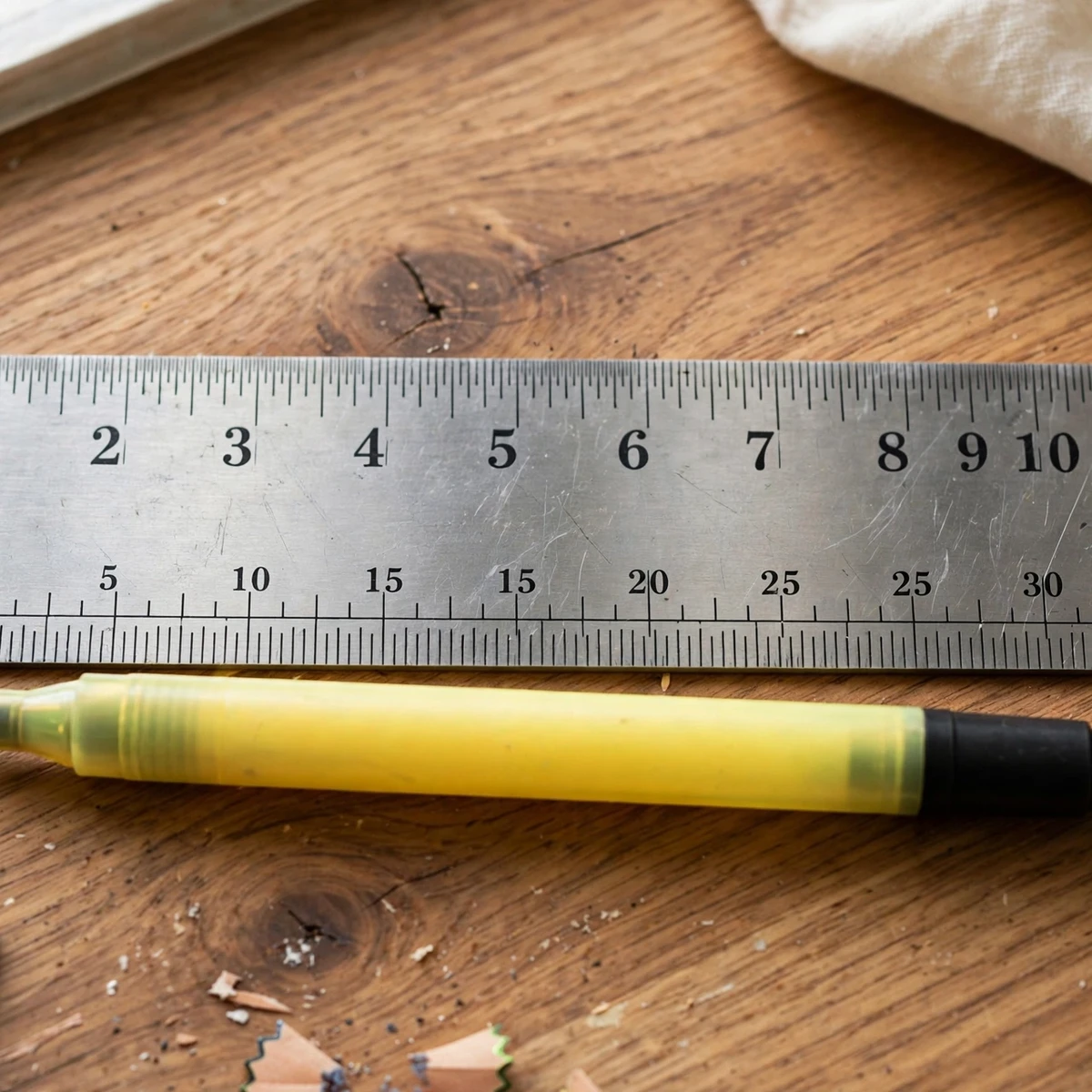
7 Inches Conversion Chart
The following chart shows how different inch measurements convert into feet, centimetres, millimetres, metres, and yards. It can be useful for quick reference when measuring objects or converting between systems.
| Inches | Feet | Centimetres | Millimetres | Metres | Yards |
|---|---|---|---|---|---|
| 0.5 | 0.0417 | 1.27 | 12.7 | 0.0127 | 0.0139 |
| 1 | 0.0833 | 2.54 | 25.4 | 0.0254 | 0.0278 |
| 1.5 | 0.125 | 3.81 | 38.1 | 0.0381 | 0.0417 |
| 2 | 0.1667 | 5.08 | 50.8 | 0.0508 | 0.0556 |
| 2.5 | 0.2083 | 6.35 | 63.5 | 0.0635 | 0.0694 |
| 3 | 0.25 | 7.62 | 76.2 | 0.0762 | 0.0833 |
| 3.5 | 0.2917 | 8.89 | 88.9 | 0.0889 | 0.0972 |
| 4 | 0.3333 | 10.16 | 101.6 | 0.1016 | 0.1111 |
| 4.5 | 0.375 | 11.43 | 114.3 | 0.1143 | 0.125 |
| 5 | 0.4167 | 12.7 | 127 | 0.127 | 0.1389 |
| 5.5 | 0.4583 | 13.97 | 139.7 | 0.1397 | 0.1528 |
| 6 | 0.5 | 15.24 | 152.4 | 0.1524 | 0.1667 |
| 6.5 | 0.5417 | 16.51 | 165.1 | 0.1651 | 0.1806 |
| 7 | 0.5833 | 17.78 | 177.8 | 0.1778 | 0.1944 |
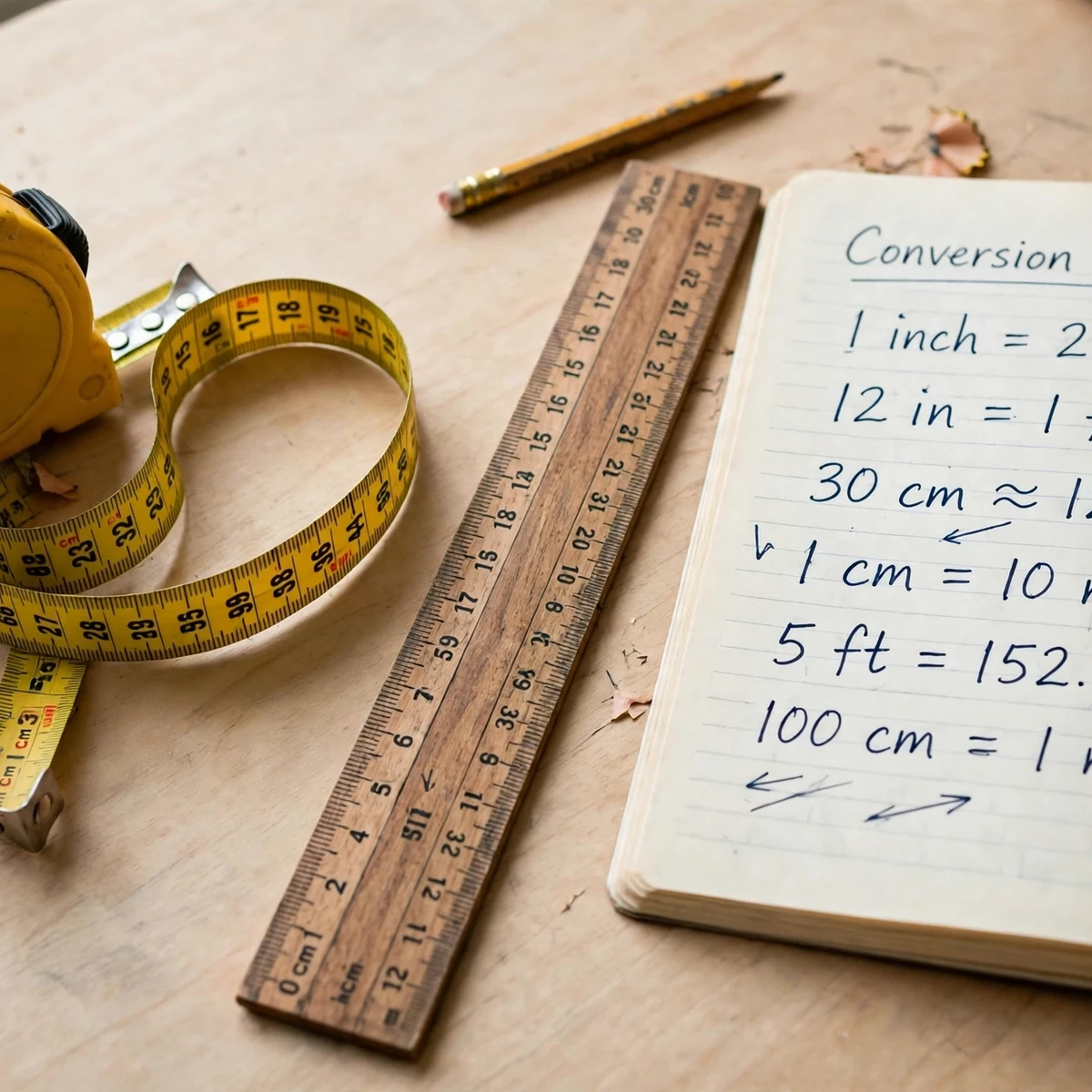
How to Convert Inches to Other Units
Converting inches to other units is straightforward once you know the correct formulas. The following numbered explanations show how to convert seven inches into centimetres, millimetres, feet, metres, and yards.
- Inches to Centimetres: Multiply the number of inches by 2.54. For example, 7 inches × 2.54 = 17.78 centimetres.
- Inches to Millimetres: Multiply the number of inches by 25.4. For example, 7 inches × 25.4 = 177.8 millimetres.
- Inches to Feet: Divide the number of inches by 12. For example, 7 inches ÷ 12 = 0.5833 feet.
- Inches to Metres: Multiply the number of inches by 0.0254. For example, 7 inches × 0.0254 = 0.1778 metres.
- Inches to Yards: Divide the number of inches by 36. For example, 7 inches ÷ 36 = 0.1944 yards.
Everyday Objects That Are About 7 Inches
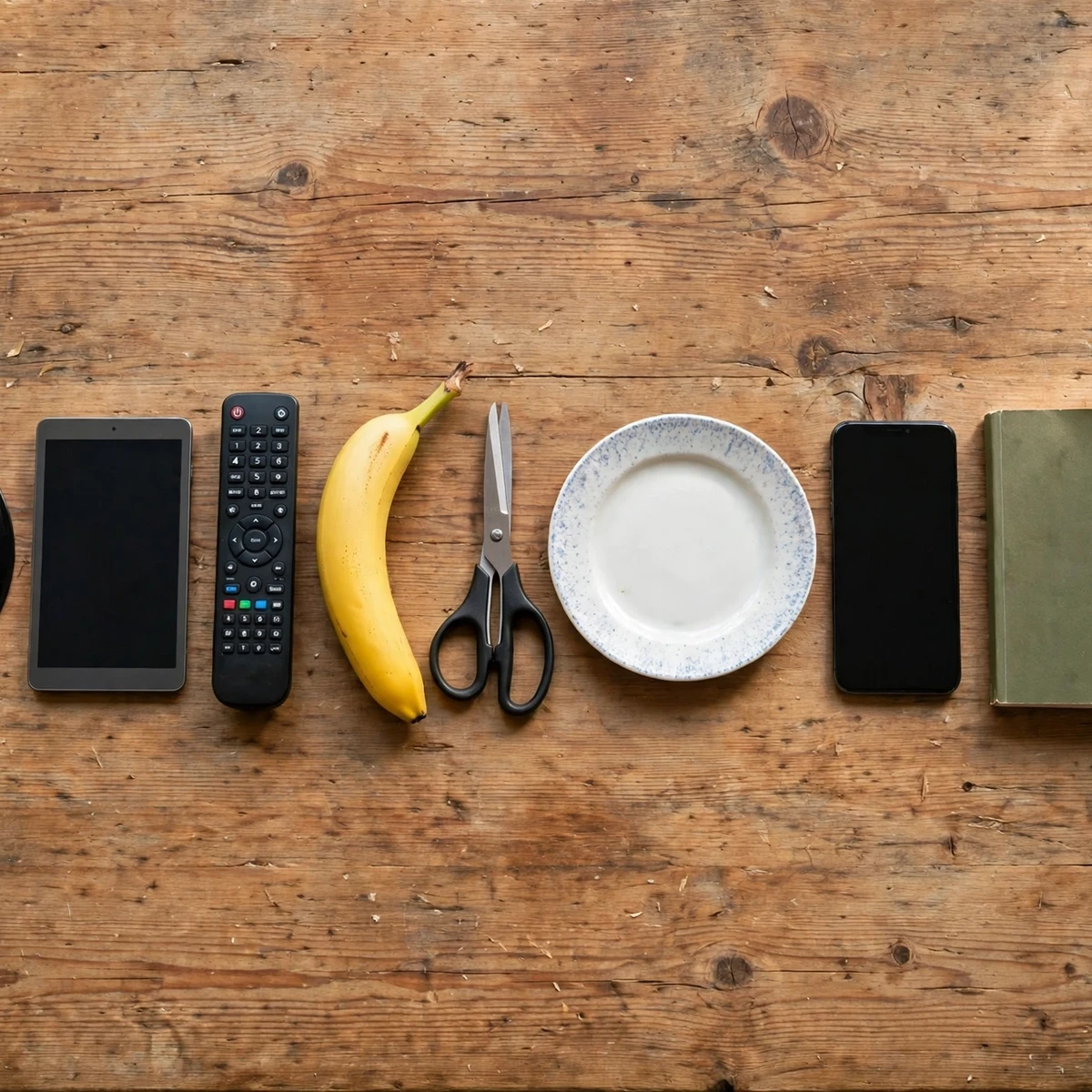
Many everyday objects are close to seven inches in length, height, or diameter. These objects provide useful comparisons because they are familiar and easy to find. The following list includes ten common examples, along with their approximate dimensions and tips for measuring them accurately.
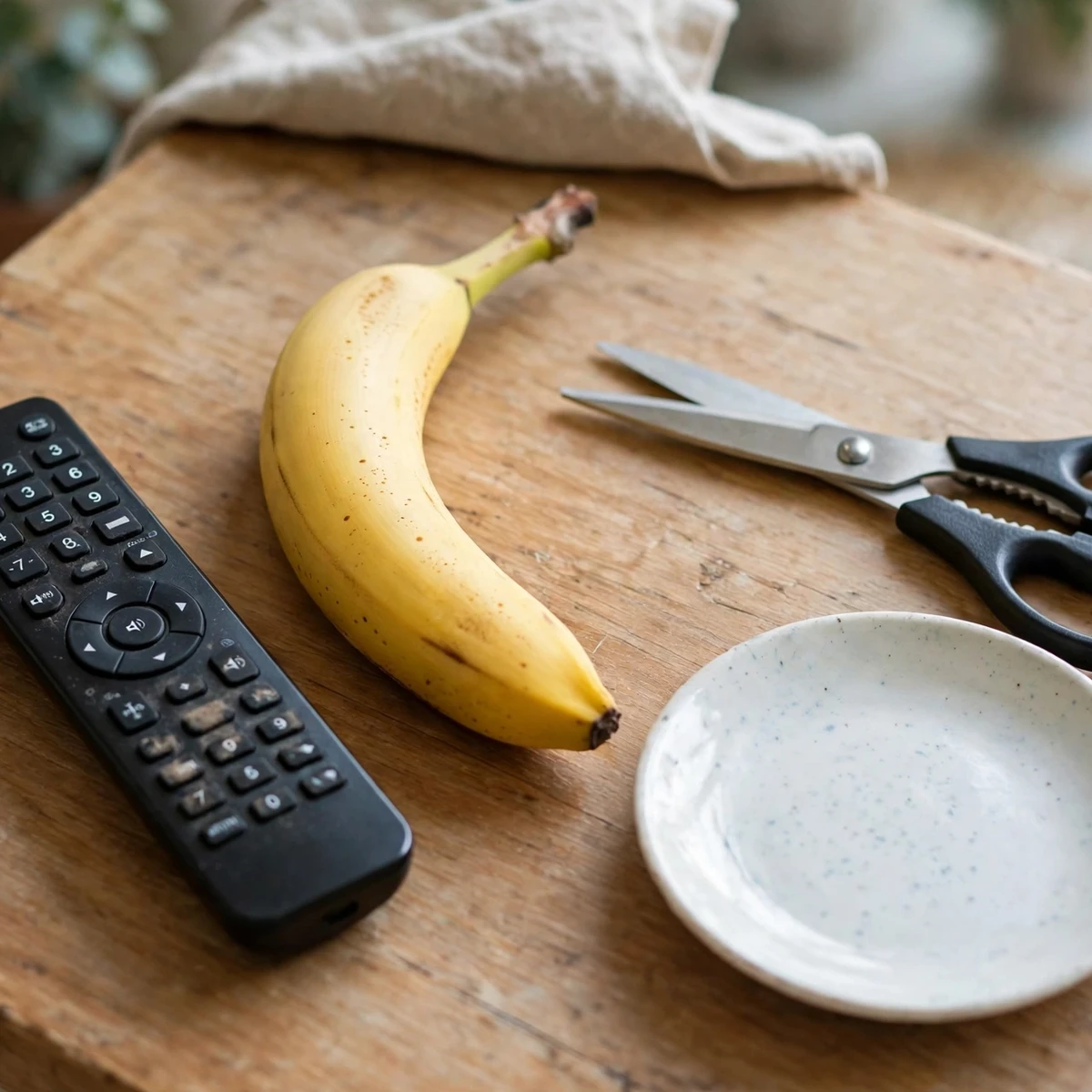
10 Everyday Objects That Are About 7 Inches Long
1. A 7-Inch Vinyl Single Record
A standard 7-inch vinyl record has a diameter of approximately seven inches, making it one of the most exact examples on this list. These records were traditionally used for singles and are still popular among collectors and music lovers.
To measure a vinyl record, measure across the centre of the disc from one edge to the opposite edge. The size of a vinyl record is usually standardised, so it is a reliable comparison.
2. A Small Tablet
A small tablet, such as a 7-inch model, is designed to measure about seven inches diagonally across its screen. This measurement includes only the screen, not the surrounding frame, so the overall device may be slightly larger.
To measure a tablet, measure diagonally from one corner of the screen to the opposite corner. Screen sizes can vary slightly by model, so check the manufacturer’s specifications for the exact measurement.
3. A TV Remote Control
Many TV remote controls measure about seven inches in length. They are designed to fit comfortably in the hand, making them a useful everyday comparison.
To measure a remote control, place it on a flat surface and measure from the top to the bottom. Remote controls vary in size depending on the brand and the number of buttons, so not all remotes will be exactly seven inches long.
4. A Medium Banana
A medium banana is often about seven inches long when measured along its curve. Bananas are one of the most common natural comparisons for this length.
To measure a banana, use a flexible measuring tape and follow the curve from the stem to the tip. Banana sizes vary depending on the variety and ripeness, so some bananas may be slightly shorter or longer.
5. Standard Kitchen Scissors
Standard kitchen scissors often measure about seven inches from the tip of the blades to the end of the handles. This size makes them suitable for cutting paper, fabric, and light kitchen tasks.
To measure scissors, close the blades and measure from the tip to the far end of the handles. Scissor sizes vary by design and purpose, so check the total length before using them as a comparison.
6. A Dessert Plate
A dessert plate often measures about seven inches in diameter. These plates are smaller than dinner plates and are commonly used for cakes, pastries, and desserts.
To measure a dessert plate, measure across the widest part of the plate. Plate sizes vary by manufacturer and design, so some dessert plates may be slightly larger or smaller.
7. A Large Smartphone
Some large smartphones measure close to seven inches in height. These phones are designed with large screens for viewing videos, reading, and browsing the internet.
To measure a smartphone, measure from the top edge to the bottom edge. Smartphone sizes vary significantly by model, so not all large phones will measure exactly seven inches.
8. A Paperback Book
Many paperback books measure about seven inches in height. This size is common for novels and other reading material, making books a useful comparison.
To measure a paperback book, place it upright and measure from the bottom to the top of the cover. Book sizes vary by publisher and edition, so check the dimensions of the specific book.
9. A Standard Screwdriver
A standard screwdriver often measures about seven inches in total length, including both the handle and the shaft. This size is common for household tools used for light repairs.
To measure a screwdriver, measure from the end of the handle to the tip of the shaft. Screwdriver lengths vary by type and manufacturer, so the exact size depends on the tool.
10. A Butter Knife
A butter knife typically measures about seven inches in length. It is a common kitchen utensil used for spreading butter, jam, and other soft foods.
To measure a butter knife, lay it flat and measure from the tip of the blade to the end of the handle. Butter knife sizes vary by set and manufacturer, so some may be slightly shorter or longer.
How to Estimate 7 Inches Without a Ruler

If you do not have a ruler, you can estimate seven inches using common objects and simple methods. These methods are not exact, but they can provide a useful approximation.
Using a Dollar Bill and a Coin
A US dollar bill measures about 6.14 inches long. Adding a small coin or a short extension can help you reach approximately seven inches. This method is useful when you only need a rough estimate.
Comparing to a Standard Pencil
A standard pencil, when unsharpened, measures about 7.5 inches long. Comparing an object to a pencil can help you judge whether it is close to seven inches. If the object is slightly shorter than the pencil, it is likely around seven inches.
Using Your Hand Span
An average adult hand span, measured from the tip of the thumb to the tip of the pinky finger when the hand is stretched out, is often about eight to nine inches. Seven inches is slightly less than a full hand span, so you can use this as a rough guide.
Using a Sheet of Paper
A standard sheet of paper measures 11 inches long. Seven inches is a little more than half the length of the paper. Folding or marking the paper can help you estimate the measurement more accurately.
Using Your Phone Screen
Many smartphones have screens that measure between six and seven inches diagonally. If you know your phone’s screen size, you can use it as a reference to estimate seven inches.
Frequently Asked Questions
How many cm is 7 inches?
Seven inches equals 17.78 centimetres. This is calculated by multiplying seven by 2.54.
How many mm is 7 inches?
Seven inches equals 177.8 millimetres. This is calculated by multiplying seven by 25.4.
Is 7 inches big?
Seven inches is a moderate length. It is larger than a credit card but smaller than a standard ruler, making it suitable for handheld objects.
What is 7 inches in feet?
Seven inches equals 0.5833 feet. This is slightly more than half a foot.
How can I measure 7 inches without a ruler?
You can estimate seven inches using a dollar bill, a pencil, your hand span, a sheet of paper, or a smartphone screen. These methods provide approximate measurements.
Is a banana 7 inches?
A medium banana is often about seven inches long when measured along its curve, although sizes vary.
Is a smartphone 7 inches?
Some large smartphones are close to seven inches in height, but most phones are slightly smaller. The exact size depends on the model.
What household item is 7 inches?
Common household items close to seven inches include a TV remote control, a butter knife, kitchen scissors, and a dessert plate.
How long is 7 inches in metres?
Seven inches equals 0.1778 metres.
Is 7 inches the same as 18 cm?
Seven inches is 17.78 centimetres, which is very close to 18 centimetres but not exactly the same.
What is 7 inches wide in real life?
In real life, seven inches wide could describe a small tablet, a dessert plate, or a paperback book. The exact object depends on what is being measured.
Final Thoughts
Understanding seven inches becomes easier when you connect the measurement with familiar objects and everyday situations. At 17.78 centimetres, it is a little more than half a foot and can be compared with items such as a vinyl single record, a medium banana, a TV remote control, kitchen scissors, and certain paperback books. Although these examples provide helpful visual references, their actual sizes can differ, so measuring the specific object is always the best way to confirm its dimensions. Remembering the basic conversions also makes it easier to work with inches, centimetres, millimetres, feet, metres, and yards.
Whether you are estimating the size of a household item, checking product dimensions, or working on a small project, knowing how to recognize seven inches can save time and reduce measurement mistakes. Simple comparisons using a dollar bill, pencil, sheet of paper, or familiar household object can provide a reasonable starting point. For more background on how people developed and standardized measurement systems, explore the how measurement systems evolved.

Grace is a lifestyle writer from California who loves starting mornings with positivity. At Mornetic, she shares uplifting quotes and cheerful messages to brighten your day.