Three inches is equal to 7.62 centimeters (cm), 76.2 millimeters (mm), 0.25 feet (ft), and 0.0762 meters (m). Although it may sound like a small distance, 3 inches is a useful everyday length that can be found in many familiar household items, office supplies, and personal accessories. Understanding how big 3 inches is becomes easier when you compare it with objects you already recognize.
Whether you are measuring a small package, checking the size of a household item, working on a craft project, or trying to estimate a distance without a ruler, knowing what 3 inches looks like can save time. This guide explains the length, provides a conversion chart, introduces simple conversion formulas, and compares 3 inches with 10 everyday objects. You will also learn several practical ways to estimate this distance without measuring equipment.
What Does 3 Inches Mean as a Length?
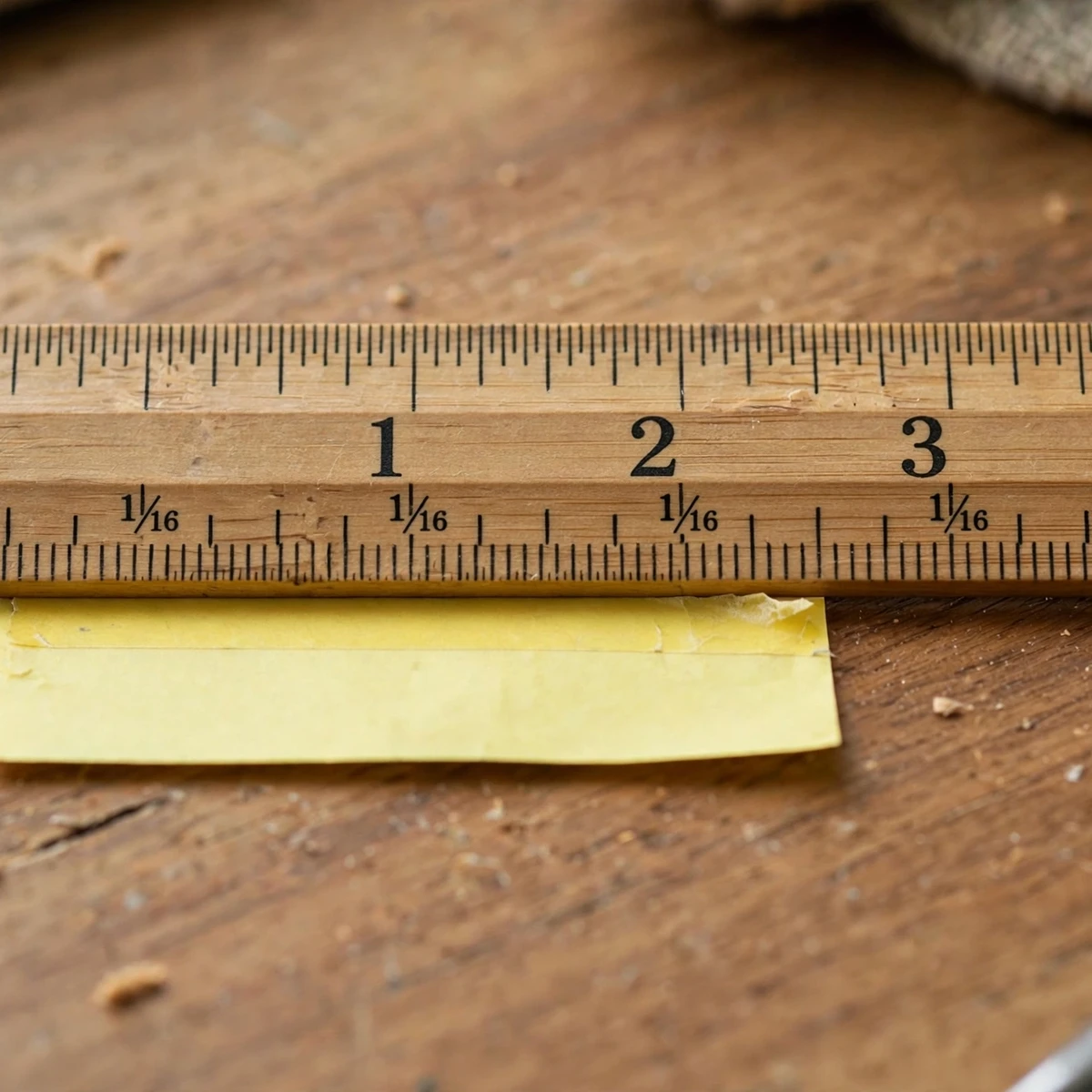
Three inches is a relatively short distance, but it is large enough to be noticeable when compared with common objects. It represents three individual inch measurements placed end to end. If you imagine a ruler, the distance from the zero mark to the third inch mark is exactly 3 inches.
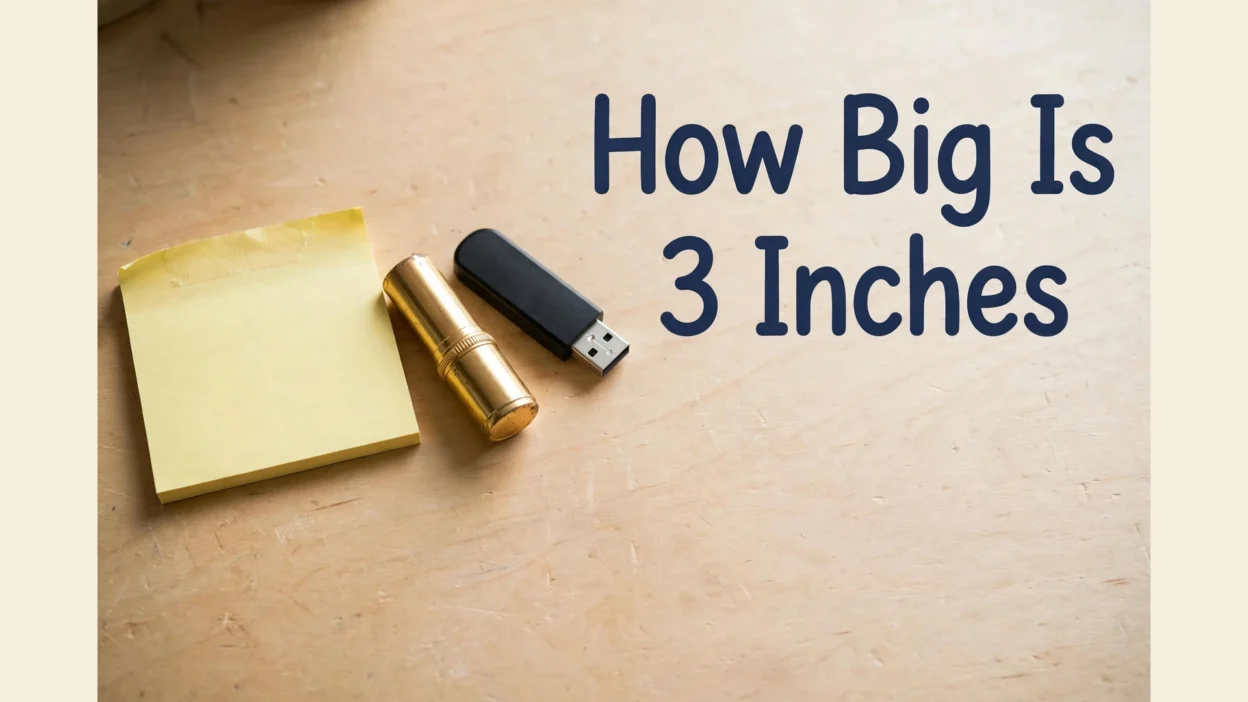
In everyday situations, this measurement is useful for checking the dimensions of small products, stationery, accessories, and other objects. For example, a square sticky note may measure approximately 3 inches along each side, making it a familiar visual reference.
Here are the basic equivalents of 3 inches:
- Centimeters: 7.62 cm
- Millimeters: 76.2 mm
- Feet: 0.25 ft
- Meters: 0.0762 m
- Yards: Approximately 0.0833 yd
These values help when working with products that use different measurement labels. A package might list its dimensions in centimeters, while a craft instruction might use inches. Knowing the equivalent values makes it easier to understand both.
Three inches can also be divided into smaller sections. Half of 3 inches is 1.5 inches, while one-third is 1 inch. These smaller distances are helpful when estimating the position of an object or dividing a space into equal sections.
It is important to remember that length describes the distance between two points. When someone says an object is 3 inches long, they are usually referring to the distance from one end to the other. However, an object can have several different dimensions. A box, for instance, has a length, width, and height, and each may have a different measurement.
For round objects, the measurement might describe the diameter rather than the length. The diameter is the straight distance across a circle through its center. This distinction matters when comparing a tennis ball, a can, or another rounded item with a 3-inch measurement.
3 Inches Conversion Chart
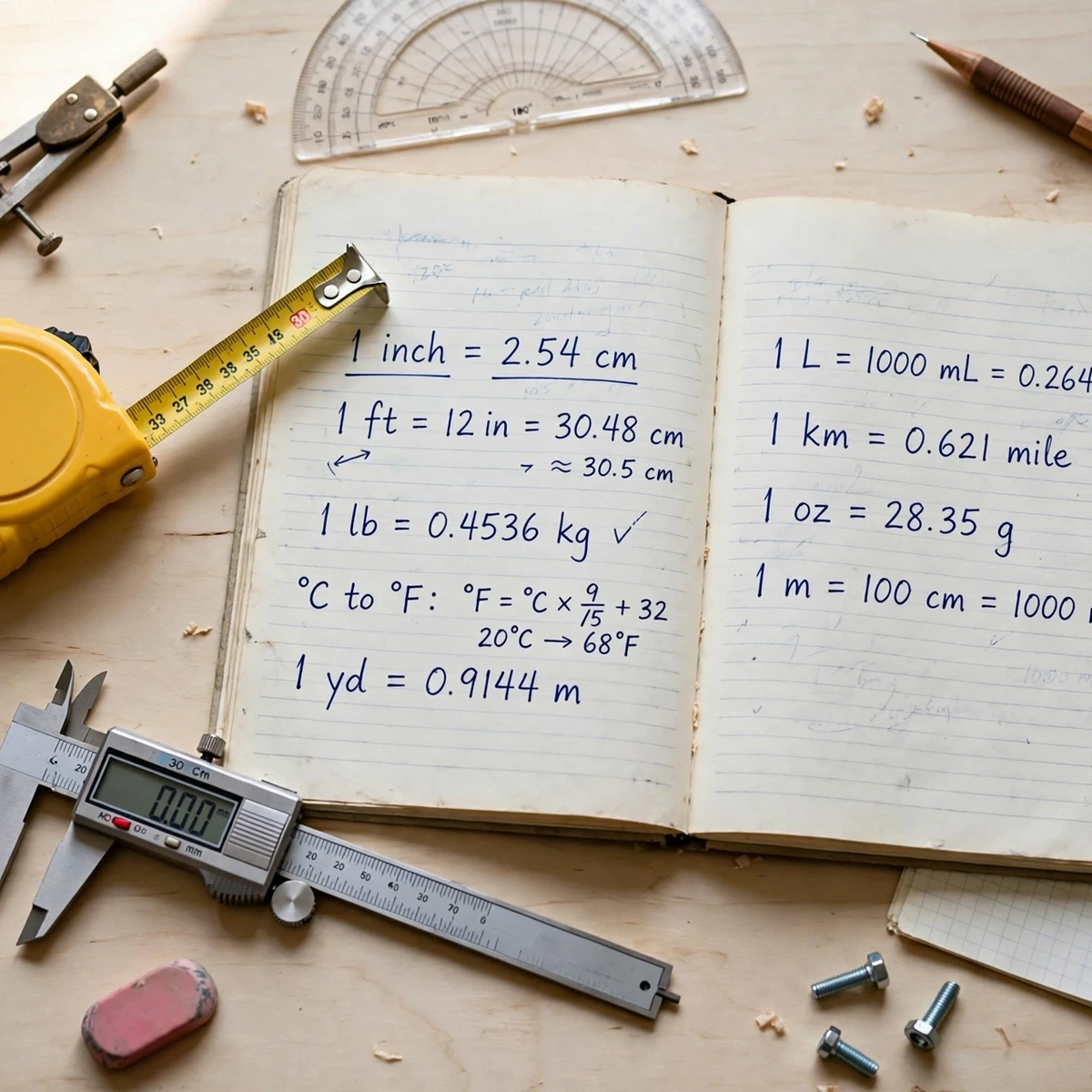
The following chart shows how different inch measurements from 0.5 to 3 inches compare in feet, centimeters, millimeters, meters, and yards. Each row increases by half an inch, making it easier to understand how the values change as the distance gets longer.
| Inches | Feet | cm | mm | Metres | Yards |
|---|---|---|---|---|---|
| 0.5 | 0.0417 | 1.27 | 12.7 | 0.0127 | 0.0139 |
| 1.0 | 0.0833 | 2.54 | 25.4 | 0.0254 | 0.0278 |
| 1.5 | 0.1250 | 3.81 | 38.1 | 0.0381 | 0.0417 |
| 2.0 | 0.1667 | 5.08 | 50.8 | 0.0508 | 0.0556 |
| 2.5 | 0.2083 | 6.35 | 63.5 | 0.0635 | 0.0694 |
| 3.0 | 0.2500 | 7.62 | 76.2 | 0.0762 | 0.0833 |
The chart makes it easy to find the equivalent value without performing a calculation every time. For example, if a product description gives a dimension of 7.62 cm, you can recognize that it is exactly 3 inches.
The numbers are rounded where appropriate, so some values may contain small differences if you use a calculator with more decimal places. The underlying conversion relationships remain consistent.
Conversion Formulas for 3 Inches
Converting inches into other common units is straightforward once you know the basic multiplication factors. These formulas are useful when checking product dimensions, following instructions, preparing materials, or comparing measurements from different sources.
1. Inches to Centimeters
To convert inches into centimeters, multiply the number of inches by 2.54.
Formula:
Centimeters = Inches × 2.54
For 3 inches:
3 × 2.54 = 7.62 cm
Therefore, 3 inches equals 7.62 centimeters.
This conversion is particularly useful when reading product specifications that list dimensions in centimeters. If a small accessory is advertised as 7.62 cm long, you know that its length is equivalent to 3 inches.
2. Inches to Millimeters
To change inches into millimeters, multiply the inch measurement by 25.4.
Formula:
Millimeters = Inches × 25.4
For 3 inches:
3 × 25.4 = 76.2 mm
Therefore, 3 inches equals 76.2 millimeters.
Millimeters are useful when working with small objects that require more detailed measurements. They are commonly used in crafting, repairs, product design, and technical instructions. This conversion can help you understand the exact size of a small component without changing the original measurement.
3. Inches to Feet
One foot contains 12 inches. To convert inches into feet, divide the number of inches by 12.
Formula:
Feet = Inches ÷ 12
For 3 inches:
3 ÷ 12 = 0.25 ft
Therefore, 3 inches equals one-quarter of a foot.
This conversion is useful when comparing smaller dimensions with larger measurements. For instance, if a project requires a material that is 3 inches long, you can record that distance as 0.25 feet when working with a calculation that uses feet throughout.
4. Inches to Meters
One inch equals 0.0254 meters. Multiply the inch measurement by this value to calculate the equivalent distance in meters.
Formula:
Meters = Inches × 0.0254
For 3 inches:
3 × 0.0254 = 0.0762 m
Therefore, 3 inches equals 0.0762 meters.
Meters are often used for larger dimensions, room measurements, and distances. Although 0.0762 meters may look less familiar than 3 inches, both values describe exactly the same distance.
5. Inches to Yards
There are 36 inches in one yard. To convert inches into yards, divide the inch measurement by 36.
Formula:
Yards = Inches ÷ 36
For 3 inches:
3 ÷ 36 = 0.0833 yd
Therefore, 3 inches is approximately 0.0833 yards.
This conversion can be useful when working with fabric, textiles, and other materials sold in yards. It helps translate a small measurement into a larger unit without changing the actual length.
Everyday Objects That Help You Visualize 3 Inches
A measurement becomes easier to understand when you can picture something familiar beside it. Instead of relying entirely on numbers, you can use everyday objects as visual references.
Many household and personal items have dimensions close to 3 inches. Some are slightly shorter, while others are a little longer or wider. These comparisons do not replace an actual ruler, but they provide a convenient way to estimate the distance when measuring tools are unavailable.
The important thing is to compare the correct dimension. A round object should be measured across its diameter if you want to compare it with a straight 3-inch distance. A rectangular object may have a length, width, and thickness, so choose the appropriate side.
The following 10 examples offer practical comparisons.
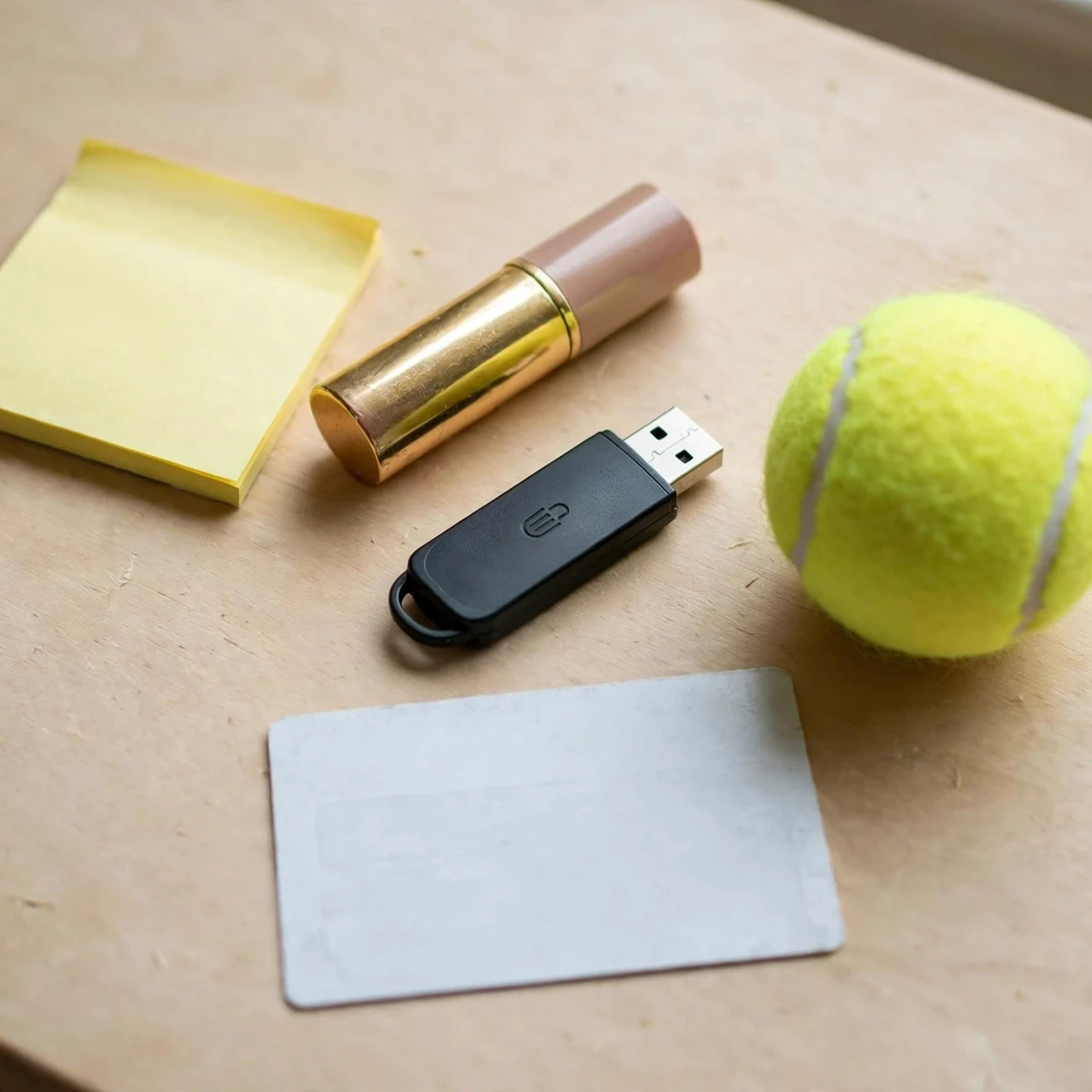
10 Everyday Objects That Are Approximately 3 Inches
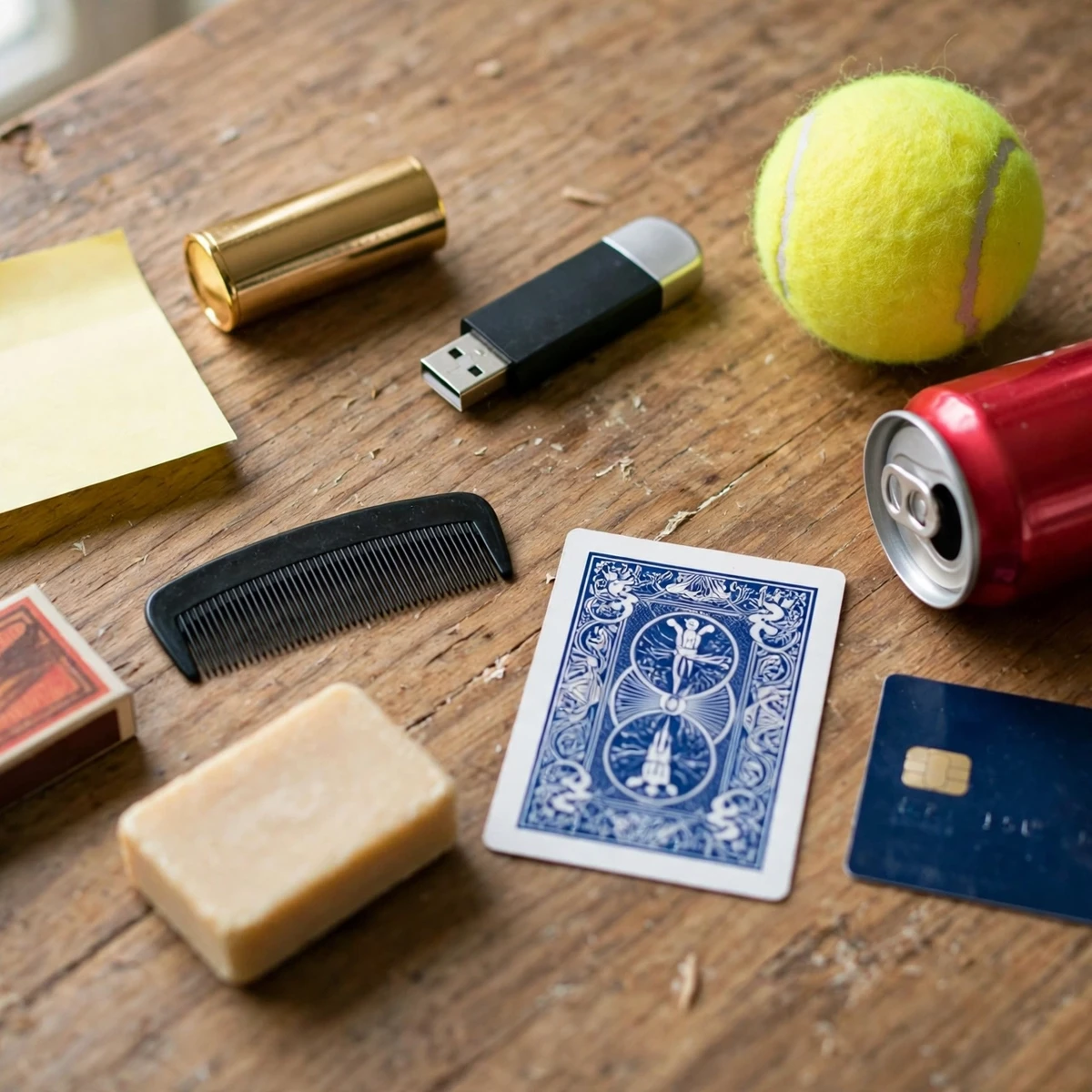
1. Post-it Note
Standard square Post-it Notes are a useful reference for visualizing 3 inches. A commonly available square version measures approximately 3 inches on each side. This means its height and width are both close to the length you are trying to picture.
To measure one, place it flat on a table and measure from one edge to the opposite edge. You can check both directions to see whether the note is square. If it is the familiar 3-by-3-inch format, each side provides a convenient reference for the distance.
However, sticky notes are available in many different shapes and sizes. Some are smaller, rectangular, or considerably larger. Different brands may also offer slightly different dimensions, so do not assume that every sticky note measures exactly 3 inches. Check the package or measure the actual note if accuracy matters.
2. Lipstick Tube
A lipstick tube can provide another helpful comparison. Many standard lipstick containers are approximately 2.5 to 3.5 inches tall, depending on the design. A compact lipstick tube measuring around 3 inches is therefore a practical example of this distance.
To check its length, close the lipstick completely and place the container on a flat surface. Measure from the bottom of the base to the top of the cap. Keep the tube straight so that you are measuring its overall height rather than following its curved surface.
Lipstick packaging varies considerably between manufacturers. Some products have slim, short containers, while others use taller cases, decorative caps, or larger packaging. The lipstick itself may also be shorter than its complete container. Use the actual dimensions of the tube rather than assuming every lipstick is 3 inches long.
3. USB Flash Drive
A USB flash drive is a familiar electronic accessory that can help you picture a distance close to 3 inches. Many traditional USB drives measure approximately 2 to 3 inches in overall length, although compact and extended designs are also available.
To measure one, place it flat on a desk and measure from the farthest end of the body to the opposite end. If the connector is exposed, include it when measuring the complete drive. For a covered model, measure the entire closed product.
The size depends on the manufacturer, storage design, and protective casing. Some USB drives are extremely small, while others have larger bodies, rotating covers, or attached key rings. A drive that looks similar to another model may have a different overall length, so treat this as an approximate comparison.
4. Tennis Ball
A tennis ball is a useful rounded object for estimating a distance close to 3 inches. A standard tennis ball has a diameter of approximately 2.57 inches, which is slightly smaller than 3 inches.
To understand the comparison, imagine measuring straight across the ball through its center. That distance is its diameter. Measuring around the outside of the ball would give you its circumference, which is a different measurement and should not be compared directly with 3 inches.
Tennis balls are manufactured to specified sporting dimensions, but the actual appearance can vary slightly because of construction, felt covering, wear, and pressure condition. Used balls may also look different from new ones. Although the diameter is not exactly 3 inches, it provides a recognizable reference that is close enough for a rough visual estimate.
5. Soda Can (Diameter)
The diameter of a typical soda can is another useful comparison. Many standard beverage cans have a body diameter of approximately 2.6 inches, making them slightly narrower than a 3-inch distance.
To measure the diameter, place the can upright on a flat surface and measure straight across the circular body through its center. Avoid measuring the curved top edge or the narrow rim unless you specifically want the diameter of that section. The main cylindrical body provides the most useful comparison.
Can sizes and designs differ depending on the manufacturer and product type. Slim cans, miniature cans, and larger beverage containers may have different diameters. Even cans with similar capacities can have different proportions. Therefore, use the 2.6-inch comparison as a general reference rather than an exact measurement for every soda can.
6. Credit Card
A standard credit card offers a familiar way to visualize a measurement slightly longer than 3 inches. Its typical dimensions are approximately 3.37 inches long and 2.125 inches wide.
This means the shorter side is noticeably less than 3 inches, while the longer side extends a little beyond the 3-inch mark. Comparing the two dimensions helps demonstrate how a small difference can change the appearance of an object.
To measure the card, lay it flat and measure across its longer edge. Then measure its shorter edge separately. This gives you a clear comparison between a length slightly above 3 inches and one below it.
Most standard payment cards follow commonly used size specifications, but specialty cards, novelty cards, access cards, and protective sleeves can have different dimensions. Measure the actual card if you need an accurate result. Also, avoid using a card as a measuring tool in situations where scratching, bending, or damaging it could be a problem.
7. Playing Card
A standard playing card is another recognizable reference. Many traditional playing cards measure approximately 3.5 inches long and 2.5 inches wide. The longer side is therefore about half an inch greater than 3 inches.
To compare it with the desired measurement, place the card on a flat surface and look at its longer edge. Imagine removing approximately half an inch from one end. The remaining distance would be close to 3 inches.
You can also measure the shorter side, which is approximately 2.5 inches. This provides a useful comparison between two dimensions that are both close to the target length.
Playing cards come in different formats, including bridge-size, poker-size, oversized, and miniature designs. Their dimensions can vary between brands and specialty collections. As a result, the standard playing card is best treated as an approximate reference rather than a universal 3-inch example.
8. Pocket Comb
A small pocket comb can be close to 3 inches long, particularly compact models designed for travel or carrying in a bag. Some pocket combs measure around 3 inches, while others are considerably longer.
To measure a comb, place it flat and measure from the tip of one end to the opposite end of the handle or body. Make sure the comb is straight and that you are measuring its complete length rather than the length of its teeth alone.
Pocket combs are available in many styles. Folding combs, travel combs, fine-tooth designs, and wide-tooth versions can have different dimensions. Some have extended handles, while others are designed as small rectangular pieces. The manufacturer and intended use determine the final size, so check the product dimensions when an exact measurement is necessary.
9. Small Bar of Soap
A small bar of soap can provide a convenient household comparison for a distance near 3 inches. Some travel-size or compact bars measure approximately 2.5 to 3 inches along their longest side.
To check the size, place the soap on a flat surface and measure from one end to the other. If the bar has rounded edges, measure along its longest straight dimension rather than following the curved outline. You can also measure its width and thickness separately to understand its overall shape.
Soap bars vary significantly in size and design. Some are rectangular, while others are oval, circular, or specially shaped. Travel products are generally smaller than many full-size household bars. Different manufacturers also use different molds and packaging styles. For this reason, a small bar of soap is a helpful visual example, but not every bar will measure close to 3 inches.
10. Matchbox
A traditional small matchbox can be another useful reference for understanding a length close to 3 inches. Depending on its design, a matchbox may measure approximately 2 to 3 inches along its longest side.
To measure it, place the box on a flat surface and measure from one end of the outer sleeve to the other. If the inner tray slides out, keep it fully closed so you measure the complete matchbox rather than one individual component.
Matchboxes are produced in different sizes for household, travel, and promotional purposes. Some are narrow and compact, while others are longer or wider to hold more matches. Packaging materials and manufacturer specifications can also affect the final dimensions. Always check the actual box if you need to use it as a reliable measuring reference.
How to Estimate 3 Inches Without a Ruler
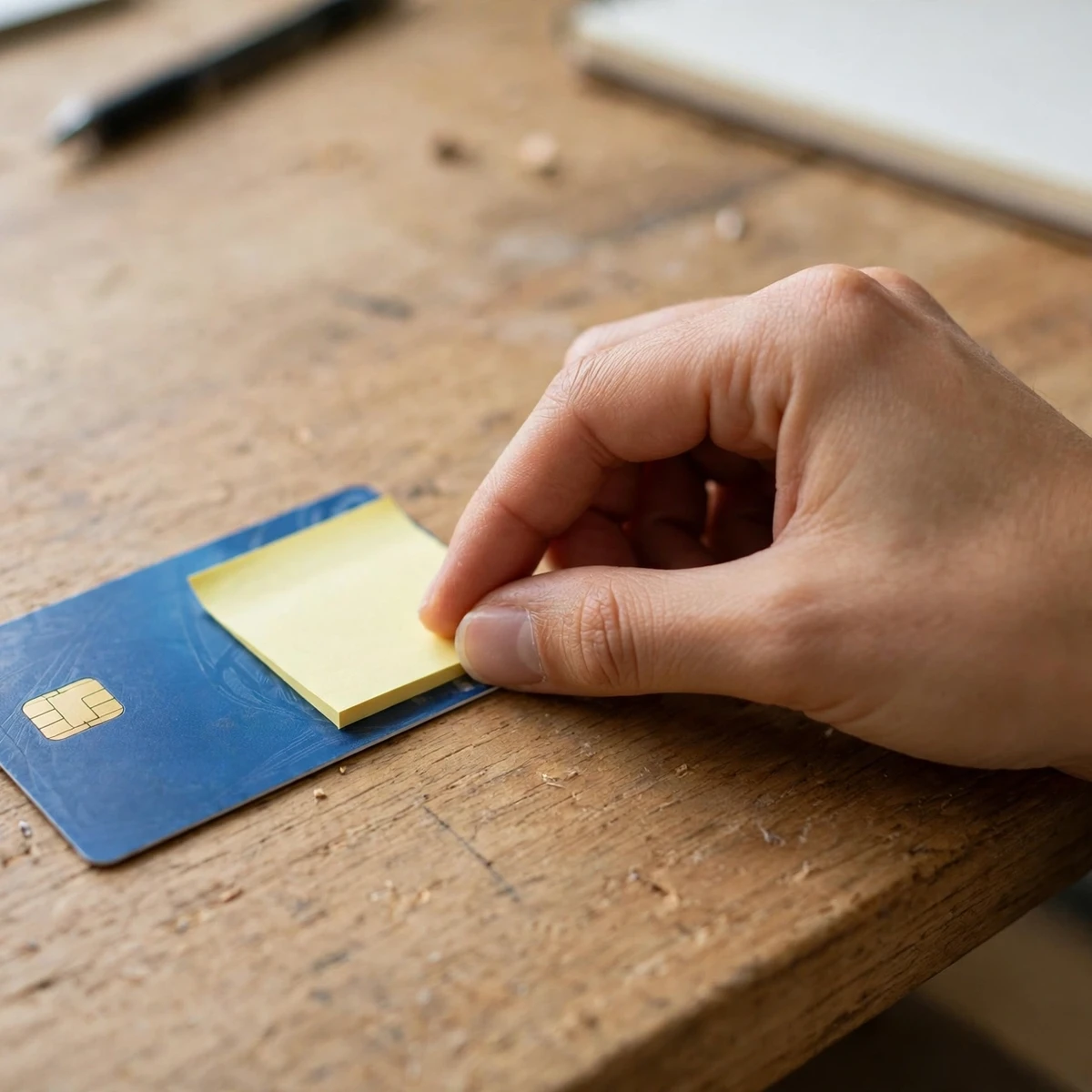
You do not always need a ruler or measuring tape to get a reasonable idea of how long 3 inches is. Several everyday methods can help you estimate the distance using familiar objects and simple visual techniques.
These approaches are particularly useful when shopping, organizing household items, completing small projects, or checking whether an object will fit inside a limited space. However, remember that an estimate is not the same as a precise measurement. If the dimensions are important, confirm them with an appropriate measuring tool.
Use a Standard Square Sticky Note
A commonly available 3-by-3-inch sticky note is one of the simplest references. Place it beside the object you want to measure and compare their lengths.
If the object extends from one edge of the note to the opposite edge, its length is approximately 3 inches. You can also use the note’s width as a reference because both sides are generally the same length.
Check the package first, as sticky notes are available in several sizes.
Compare It With a Credit Card
A standard credit card is slightly longer than 3 inches along its longest edge. Its length is approximately 3.37 inches.
You can use this difference to make a rough estimate. Imagine a section of approximately 0.37 inches at one end. The remaining length is close to 3 inches.
This technique works best when the card is placed flat and the object is positioned directly beside it. Remember that card sleeves and novelty cards may have different dimensions.
Use a Tennis Ball
A tennis ball has a diameter of approximately 2.57 inches. Although it is slightly smaller than 3 inches, it offers a useful reference for visual estimation.
Imagine a little more than 0.4 inches added to the diameter. The resulting distance is close to 3 inches.
You can use the ball as a comparison object when checking the approximate size of small packages or household accessories. Make sure you compare the diameter across the center, not the distance around the ball.
Estimate With Your Hand
Your hand can provide a convenient reference when no other object is available. However, hand sizes vary from person to person, so this method is less reliable than using a manufactured object with known dimensions.
You can compare the distance with the width of your thumb, the length of part of a finger, or the distance between two points on your palm. For a better estimate, first compare your hand with a ruler when one is available. This gives you a personal reference for future situations.
Avoid assuming that everyone has the same hand dimensions. A hand-based estimate should only be used when a rough measurement is sufficient.
Divide a Longer Known Distance
Another approach is to start with a longer measurement that you already know. For example, one foot contains 12 inches. Dividing that distance into four equal sections gives four sections of 3 inches each.
If you can visualize a foot-long object, imagine dividing it into four equal parts. Each section represents 3 inches.
This method is useful because it relies on a familiar larger measurement rather than an individual object. It also works when estimating several short distances that need to be equal.
Use a Smartphone as a Reference
A smartphone can help you estimate 3 inches if you know its actual dimensions. Many phones are longer than 3 inches, so you can compare a portion of the device with the target distance.
For example, if your phone is approximately 6 inches tall, half its length would be close to 3 inches. Check the manufacturer’s specifications or measure the device first to establish a reliable reference.
Phone sizes vary by model, and cases can make the overall dimensions larger. Always distinguish between the bare phone and the complete phone with its protective case.
Frequently Asked Questions About 3 Inches
1. How big is 3 inches in centimeters?
Three inches equals 7.62 centimeters. To calculate this value, multiply 3 by 2.54, which is the number of centimeters in one inch. This conversion is useful when comparing product dimensions listed in different formats.
2. How many millimeters are in 3 inches?
There are 76.2 millimeters in 3 inches. Since one inch equals 25.4 millimeters, multiplying 3 by 25.4 gives the answer. Millimeters are particularly useful when checking smaller components or detailed product dimensions.
3. Is 3 inches considered a small measurement?
Yes, 3 inches is generally considered a short measurement when compared with everyday objects such as furniture, doors, or household appliances. However, it can be a substantial dimension for small accessories, stationery, electronic components, and craft materials.
4. Is 3 inches the same as one-quarter of a foot?
Yes. One foot contains 12 inches, and 3 is one-quarter of 12. Therefore, 3 inches equals exactly 0.25 feet.
5. What household object is exactly 3 inches long?
A standard 3-by-3-inch square sticky note is a convenient example. Each side measures approximately 3 inches. However, sticky notes are manufactured in different sizes, so check the packaging to confirm the dimensions.
6. Is a tennis ball 3 inches wide?
No. A standard tennis ball has a diameter of approximately 2.57 inches. This makes it slightly smaller than 3 inches, although it remains a useful visual comparison.
7. How many inches are in 7.62 centimeters?
There are exactly 3 inches in 7.62 centimeters. To convert centimeters into inches, divide 7.62 by 2.54. The result is 3.
8. How can I measure 3 inches without a ruler?
You can estimate 3 inches by comparing the distance with a standard square sticky note, a portion of a credit card, or another familiar object with known dimensions. You can also divide a 12-inch distance into four equal sections. These approaches provide estimates rather than guaranteed precise results.
9. Is 3 inches longer than a credit card?
No. A standard credit card is approximately 3.37 inches long along its longest edge, making it slightly longer than 3 inches. Its shorter side is approximately 2.125 inches, which is shorter than the target distance.
10. How many meters is 3 inches?
Three inches equals 0.0762 meters. Multiply 3 by 0.0254 to convert the measurement into meters. Although this value is a fraction of a meter, it represents the same physical distance.
11. Why is knowing how big 3 inches is useful?
Understanding this measurement can help with shopping, crafting, packaging, home organization, and everyday comparisons. It allows you to visualize small dimensions without constantly checking a ruler. It is also useful when product descriptions or instructions use different units.
Final Thoughts
Three inches is a short but useful distance that equals 7.62 centimeters, 76.2 millimeters, 0.25 feet, and 0.0762 meters. Familiar objects such as square sticky notes, lipstick tubes, USB flash drives, tennis balls, and small household items can help you picture this length. Some examples are slightly shorter or longer, but they provide practical visual references when you do not have a ruler nearby. Understanding how to convert inches into other units also makes it easier to compare product specifications, follow instructions, and estimate dimensions accurately.
The best way to become comfortable with this measurement is to connect the number with objects you see regularly and practice checking their dimensions. For precise work, use a ruler or measuring tape rather than relying entirely on visual estimates. Learning that an inch is a unit of length also provides useful background when exploring different ways to describe distance. With these comparisons, conversion formulas, and estimation methods, you can recognize how big 3 inches is and use the measurement confidently in everyday situations.

Grace is a lifestyle writer from California who loves starting mornings with positivity. At Mornetic, she shares uplifting quotes and cheerful messages to brighten your day.