How long is 12 inches? Twelve inches is exactly 1 foot, or 30.48 centimeters. It is a common measurement used for everyday objects, household items, furniture, tools, and personal belongings. Because it equals one foot, 12 inches is relatively easy to visualize once you become familiar with a few common reference objects.
Understanding this length can help when measuring a space, checking the dimensions of a product, completing a home improvement project, or estimating the size of something without a measuring tool. However, knowing the exact conversion is only part of the process. It is also useful to recognize what 12 inches looks like in real life and understand how to estimate it accurately.
This guide explains how long 12 inches is, provides a detailed conversion chart, and introduces everyday objects that can help you visualize this measurement. You will also learn simple conversion formulas and practical methods for estimating one foot without a ruler.
What Is 12 Inches and How Long Is It?
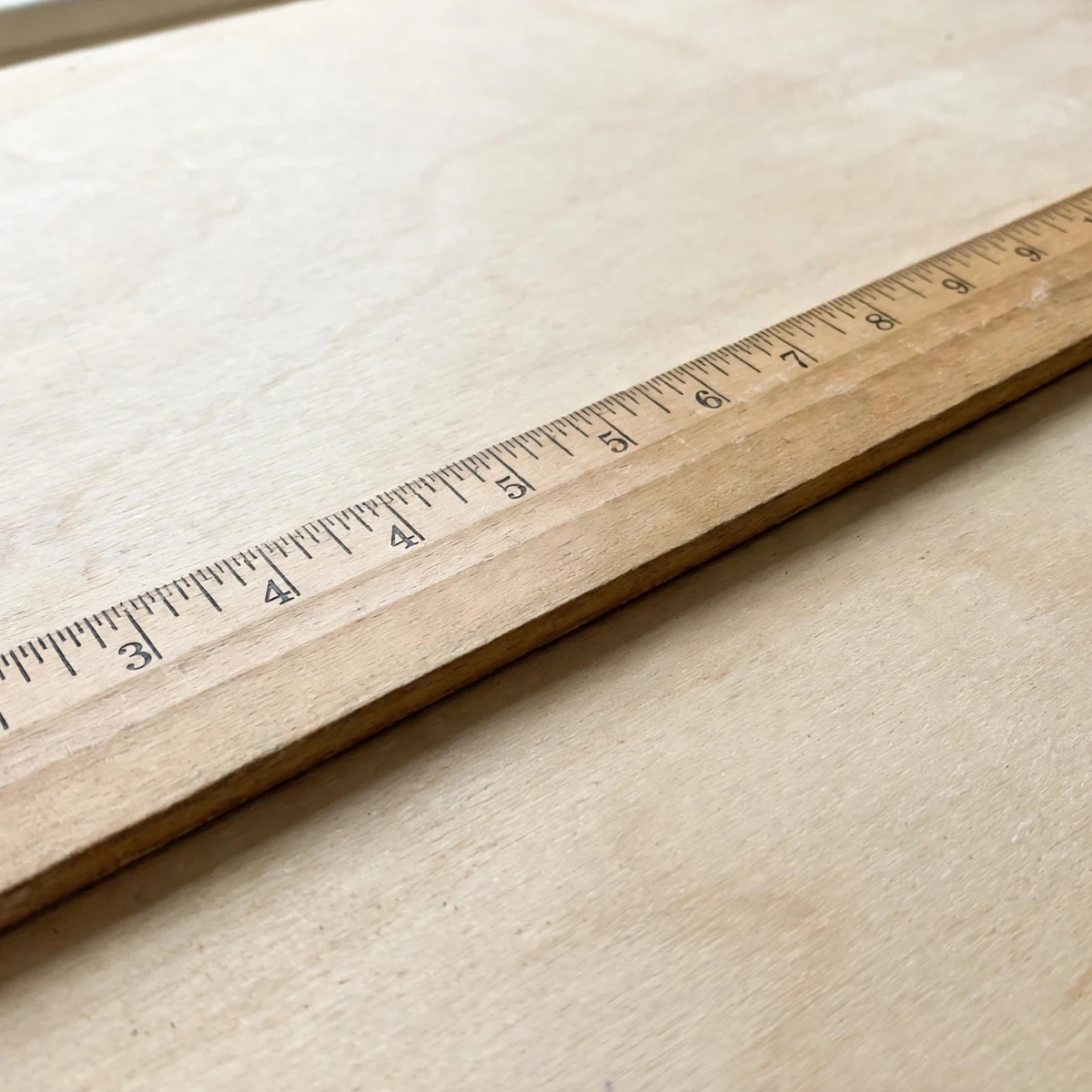
Twelve inches is equal to one foot. It is a standard length measurement in the United States customary measurement system and is commonly used to describe the dimensions of objects, materials, and spaces.
An inch is a relatively small unit of length. Twelve individual inches placed end to end create a measurement of one foot. This makes 12 inches a convenient reference because it represents a familiar length used in many everyday situations.
Here are the exact equivalents of 12 inches:
Feet: 1 foot
Centimeters: 30.48 cm
Millimeters: 304.8 mm
Meters: 0.3048 m
Yards: 0.3333 yards, approximately
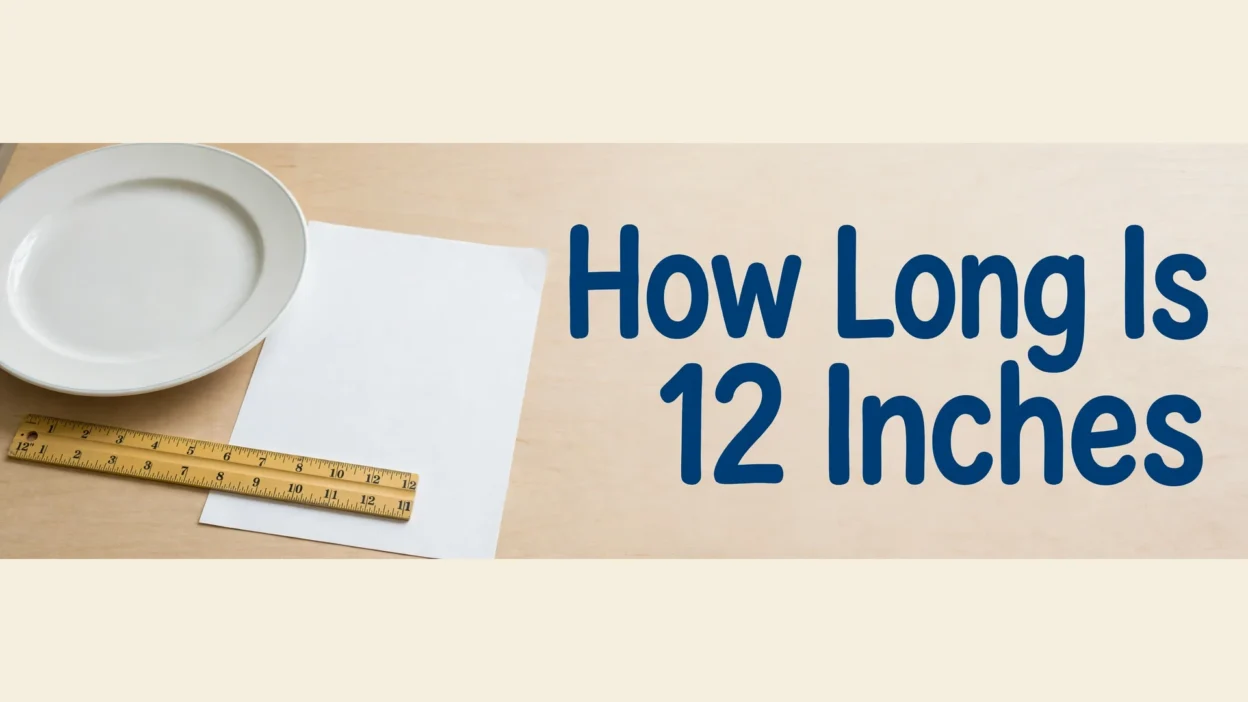
The measurement is easy to recognize because many rulers and measuring tools include a 12-inch scale. A standard 12-inch ruler, for example, measures exactly one foot from its starting point to the 12-inch mark.
You can also think of 12 inches as approximately the length of a standard sheet of letter-size paper along its longer side. US letter paper measures 11 inches long, so it is slightly shorter than 12 inches. This comparison provides a useful starting point when estimating the measurement.
Twelve inches is also frequently used in product dimensions. A small shelf, a section of countertop, a decorative item, or a household storage container may have a measurement of approximately one foot.
It is important to remember that 12 inches describes length, not area or volume. A rectangular object measuring 12 inches long might have a completely different width and height. For example, a board measuring 12 inches long and 4 inches wide has two different dimensions, even though its length is one foot.
When measuring an object, identify the direction you want to measure. Place the measuring tool at one end and read the distance to the other end. This simple approach helps prevent confusion between length, width, and height.
12 Inches Conversion Chart
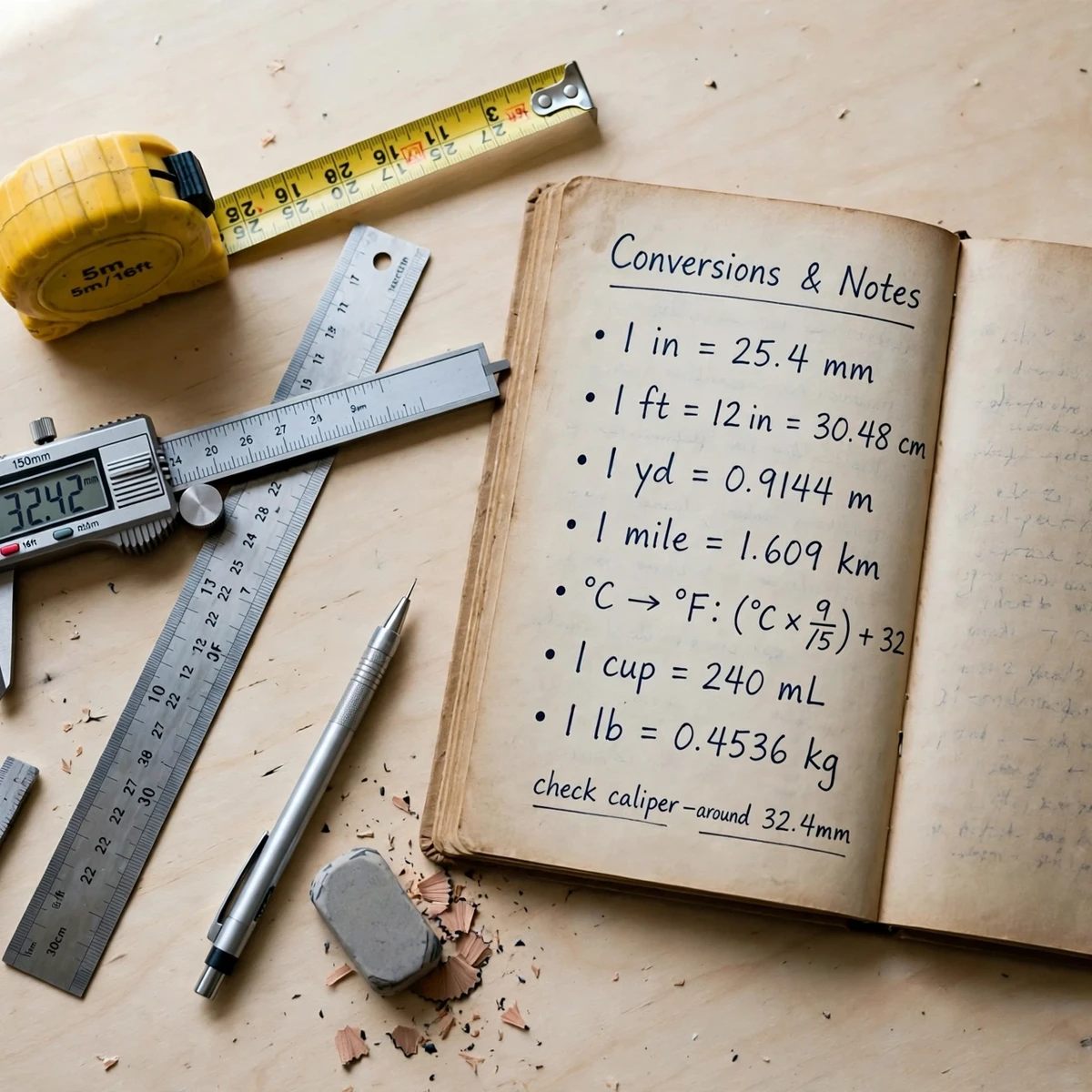
The following chart shows how different inch measurements compare with feet, centimeters, millimeters, meters, and yards. It includes values from 0.5 inches through 12 inches in half-inch increments.
The chart is useful when comparing measurements, working with product dimensions, or converting between customary and metric units.
| Inches | Feet | Centimeters | Millimeters | Meters | Yards |
|---|---|---|---|---|---|
| 0.5 | 0.0417 | 1.27 | 12.7 | 0.0127 | 0.0139 |
| 1 | 0.0833 | 2.54 | 25.4 | 0.0254 | 0.0278 |
| 1.5 | 0.1250 | 3.81 | 38.1 | 0.0381 | 0.0417 |
| 2 | 0.1667 | 5.08 | 50.8 | 0.0508 | 0.0556 |
| 2.5 | 0.2083 | 6.35 | 63.5 | 0.0635 | 0.0694 |
| 3 | 0.2500 | 7.62 | 76.2 | 0.0762 | 0.0833 |
| 3.5 | 0.2917 | 8.89 | 88.9 | 0.0889 | 0.0972 |
| 4 | 0.3333 | 10.16 | 101.6 | 0.1016 | 0.1111 |
| 4.5 | 0.3750 | 11.43 | 114.3 | 0.1143 | 0.1250 |
| 5 | 0.4167 | 12.70 | 127.0 | 0.1270 | 0.1389 |
| 5.5 | 0.4583 | 13.97 | 139.7 | 0.1397 | 0.1528 |
| 6 | 0.5000 | 15.24 | 152.4 | 0.1524 | 0.1667 |
| 6.5 | 0.5417 | 16.51 | 165.1 | 0.1651 | 0.1806 |
| 7 | 0.5833 | 17.78 | 177.8 | 0.1778 | 0.1944 |
| 7.5 | 0.6250 | 19.05 | 190.5 | 0.1905 | 0.2083 |
| 8 | 0.6667 | 20.32 | 203.2 | 0.2032 | 0.2222 |
| 8.5 | 0.7083 | 21.59 | 215.9 | 0.2159 | 0.2361 |
| 9 | 0.7500 | 22.86 | 228.6 | 0.2286 | 0.2500 |
| 9.5 | 0.7917 | 24.13 | 241.3 | 0.2413 | 0.2639 |
| 10 | 0.8333 | 25.40 | 254.0 | 0.2540 | 0.2778 |
| 10.5 | 0.8750 | 26.67 | 266.7 | 0.2667 | 0.2917 |
| 11 | 0.9167 | 27.94 | 279.4 | 0.2794 | 0.3056 |
| 11.5 | 0.9583 | 29.21 | 292.1 | 0.2921 | 0.3194 |
| 12 | 1.0000 | 30.48 | 304.8 | 0.3048 | 0.3333 |
The most important row is the final one because it shows the exact equivalents of 12 inches. One foot is equal to 30.48 centimeters, 304.8 millimeters, and 0.3048 meters.
For practical measurements, you may not need every decimal place. Rounding 12 inches to approximately 30.5 centimeters is usually sufficient for general comparisons. However, more precise values are helpful for construction, technical projects, and situations where accurate dimensions matter.
Conversion Formulas for 12 Inches
Converting inches into other measurement units is straightforward once you know the appropriate multiplication or division factor. These formulas work for 12 inches and other inch measurements.
Inches to Feet
There are 12 inches in one foot. To convert inches into feet, divide the inch measurement by 12.
Formula:
Feet = Inches ÷ 12
For 12 inches:
12 ÷ 12 = 1 foot
Therefore, 12 inches equals exactly 1 foot.
To convert feet back into inches, multiply the number of feet by 12.
Reverse formula:
Inches = Feet × 12
For example, 2 feet multiplied by 12 equals 24 inches.
Inches to Centimeters
One inch equals exactly 2.54 centimeters. Multiply the inch measurement by 2.54 to obtain the equivalent in centimeters.
Formula:
Centimeters = Inches × 2.54
For 12 inches:
12 × 2.54 = 30.48 cm
To convert centimeters back into inches, divide the centimeter measurement by 2.54.
Reverse formula:
Inches = Centimeters ÷ 2.54
For example, 30.48 centimeters divided by 2.54 equals 12 inches.
Inches to Millimeters
One inch contains exactly 25.4 millimeters. This conversion is particularly useful for small objects, mechanical components, and detailed measurements.
Formula:
Millimeters = Inches × 25.4
For 12 inches:
12 × 25.4 = 304.8 mm
To convert millimeters back into inches, divide the measurement by 25.4.
Reverse formula:
Inches = Millimeters ÷ 25.4
For instance, 304.8 millimeters divided by 25.4 equals 12 inches.
Inches to Meters
One inch is equal to 0.0254 meters. Multiply the number of inches by this value to convert the measurement into meters.
Formula:
Meters = Inches × 0.0254
For 12 inches:
12 × 0.0254 = 0.3048 m
To convert meters back into inches, divide the meter measurement by 0.0254.
Reverse formula:
Inches = Meters ÷ 0.0254
For example, 0.3048 meters divided by 0.0254 equals 12 inches.
Inches to Yards
A yard contains 36 inches. Divide the inch measurement by 36 to calculate the equivalent in yards.
Formula:
Yards = Inches ÷ 36
For 12 inches:
12 ÷ 36 = 0.3333 yards
This means 12 inches represents one-third of a yard.
To convert yards back into inches, multiply the yard measurement by 36.
Reverse formula:
Inches = Yards × 36
For example, one-third of a yard multiplied by 36 equals 12 inches.
How to Choose the Correct Conversion
The appropriate formula depends on the type of measurement you are working with.
Use feet when measuring furniture, rooms, boards, or larger household objects. Centimeters and millimeters are useful when comparing international product specifications or working with smaller components. Meters are convenient for larger metric measurements, while yards are commonly encountered in fabric, landscaping, and other applications.
Always check the unit shown in a product description before comparing dimensions. A measurement of 12 centimeters is considerably shorter than 12 inches, so confusing the two can lead to incorrect estimates or purchasing decisions.
Everyday Objects That Are Approximately 12 Inches Long
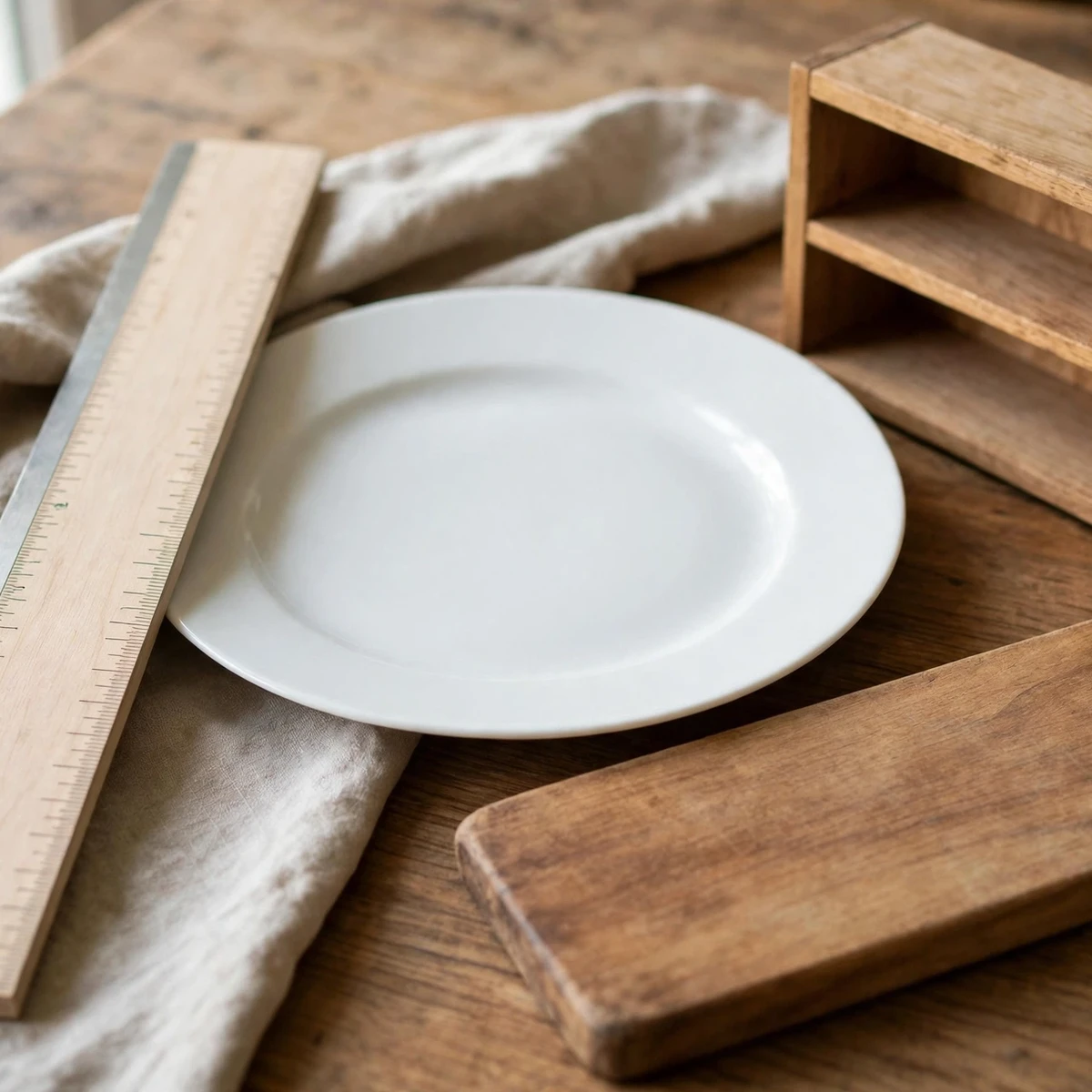
One of the easiest ways to understand a measurement is to compare it with familiar objects. Many household and office items have dimensions close to one foot, making them useful references when a ruler or measuring tape is unavailable.
The following examples can help you visualize 12 inches. These are approximate comparisons rather than guaranteed standard dimensions. An object’s actual length depends on its design, manufacturer, model, and intended use.
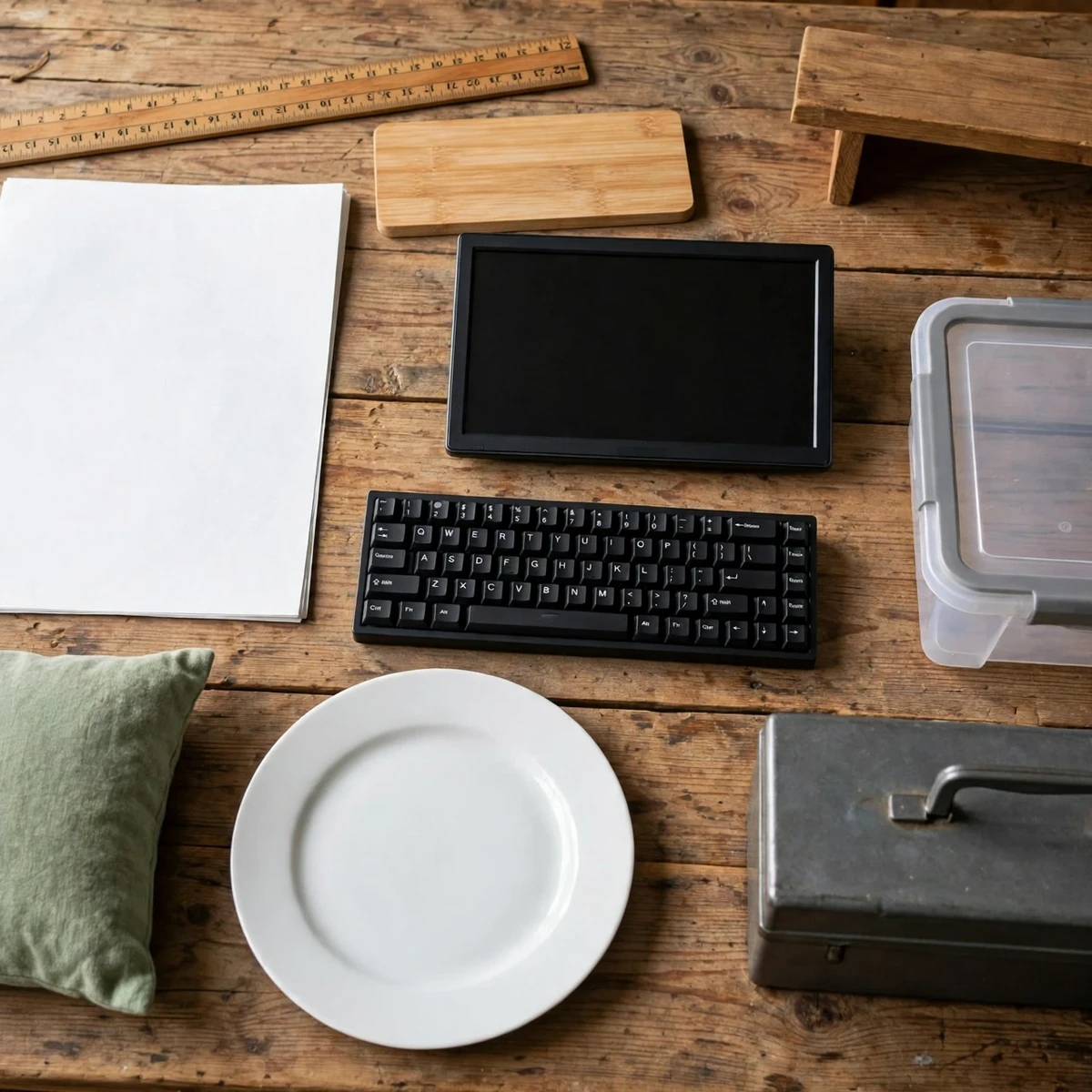
1. Standard 12-Inch Ruler
A standard 12-inch ruler is the most direct reference for this measurement. It is designed to measure exactly one foot from its starting edge to the 12-inch mark.
To check its length, place one end against a flat surface and measure to the opposite end. Make sure you distinguish the ruler’s physical edge from its marked measurement scale because some rulers include additional material beyond the zero and 12-inch marks.
A ruler is also useful for checking smaller measurements because it usually includes markings for fractions of an inch. However, ruler dimensions and designs can vary by brand and model, so check the actual markings rather than assuming every ruler has the same overall physical length.
2. Standard Letter-Size Paper
A standard sheet of US letter-size paper measures 8.5 inches wide and 11 inches long. Its longer side is therefore just one inch shorter than 12 inches.
To compare it with one foot, place the paper flat and measure along its longer edge. Imagine adding another inch to the end to reach the full 12-inch length.
This is a convenient reference because letter-size paper is commonly available in homes, schools, and offices. However, paper formats differ between countries, and specialty paper sizes may have different dimensions. Always check the paper size if you need a more accurate comparison.
3. A Large Dinner Plate
Some large dinner plates have a diameter close to 12 inches. This makes a plate a useful visual reference because its width across the center can be approximately one foot.
To measure it, place a ruler across the widest part of the plate, passing through its center. Measure from one outer edge to the opposite outer edge.
Remember that the diameter is different from the circumference, which measures around the plate’s outer edge. Dinner plates are available in many sizes, and some are considerably smaller or larger than 12 inches depending on the brand, design, and model.
4. A Small Wall Shelf
A compact wall shelf may have a length or width of approximately 12 inches. This is a common size for small decorative shelves, storage ledges, and display platforms.
To measure one, identify whether you need its length, width, or depth. Place a measuring tape along the relevant dimension, starting at the outer edge and ending at the opposite side.
Do not assume that every small shelf measures one foot. Shelf dimensions vary considerably according to their intended purpose, construction materials, and brand or model. Check the manufacturer’s measurements before purchasing or installing one.
5. A Foot-Long Cutting Board
A compact kitchen cutting board may measure approximately 12 inches along its longer side. This makes it a practical household reference for visualizing one foot.
Place the cutting board on a flat surface and measure from one end to the other along its longest dimension. If the board has rounded corners, measure the straight-line distance between the two farthest opposite edges.
Cutting boards come in numerous shapes and sizes. Wooden, plastic, and composite models may have different dimensions, even when marketed for similar kitchen tasks. Treat this comparison as an estimate rather than a universal standard.
6. A Compact Keyboard
Some compact computer keyboards have a length close to 12 inches, particularly smaller layouts designed to save desk space. Their dimensions depend on the number of keys and the overall arrangement.
To measure a keyboard, place a ruler along its longest horizontal side, from the outer edge of one end to the other. Include the casing rather than measuring only the key area.
Not all compact keyboards are one foot long. Some are shorter, while larger layouts and keyboards with additional controls can be considerably longer. Brand and model differences are important when using this object as a reference.
7. A Small Storage Container
A household storage container may have one side measuring approximately 12 inches. Square containers are especially useful for visualizing a one-foot dimension because their length and width may be similar.
Place the container on a flat surface and measure one side from its outer edge to the opposite edge. If the container has a lid, decide whether you need the base dimensions or the overall dimensions, including the lid.
Storage containers vary widely in size, shape, and capacity. Different brands and models may also have slightly different external and internal measurements, so check the product specifications when accuracy matters.
8. A Compact Computer Monitor
Some small computer monitors have a screen width close to 12 inches, although their overall physical width may be different. Screen measurements are generally given diagonally, so it is important not to confuse diagonal size with horizontal width.
To check the actual width, measure straight across the screen or the complete monitor casing, depending on the dimension you need. Keep the measuring tool parallel to the bottom edge.
Monitor sizes vary by brand, model, aspect ratio, and bezel design. A monitor described as having a particular diagonal screen size does not necessarily have a 12-inch horizontal width.
9. A Small Decorative Pillow
A compact decorative pillow may measure approximately 12 inches across one side. Small accent cushions are sometimes designed with dimensions close to one foot, making them another familiar comparison.
To measure it, place the pillow on a flat surface and gently straighten the fabric. Measure from one side seam to the opposite side seam without stretching the material.
Soft pillows can change shape depending on how much filling they contain and how firmly they are compressed. Their actual dimensions also vary by brand, model, and design, so use this example only as a rough visual reference.
10. A Compact Toolbox
A small toolbox may have a length close to 12 inches, particularly models designed for basic household tools or portable storage.
To measure it, close the lid and place the toolbox on a flat surface. Measure its longest horizontal dimension from one outer edge to the other. If the handle extends beyond the body, decide whether you want the case length or the complete overall length.
Toolboxes are manufactured in many different sizes. Their dimensions vary according to capacity, handle design, materials, and brand or model. Check the listed product dimensions before relying on this comparison.
How to Estimate 12 Inches Without a Ruler
You do not always need a ruler or measuring tape to estimate one foot. Several everyday techniques can help you approximate this length when you are measuring something quickly.
These methods are particularly useful for checking household dimensions, comparing objects, and making rough estimates. However, they should not replace proper measuring equipment when precise measurements are necessary.

Use Your Hand as a Reference
Your hand can provide a convenient personal reference for estimating length. The distance across your palm or the length of your fingers may help you visualize smaller measurements.
To use this method, compare the length of your hand with a known 12-inch ruler or measuring tape when one is available. Remember how many hand lengths approximately equal one foot.
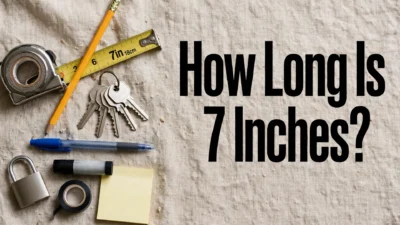
For example, if the distance from your wrist to your fingertips is around 7 inches, you can use that personal measurement to estimate a longer distance. Two such lengths would be approximately 14 inches.
Hand dimensions vary from person to person, so this method is most useful after you have checked your own measurements. Do not assume that everyone has the same hand size.
Use a Standard Sheet of Paper
A sheet of US letter-size paper is 11 inches long. This makes it a convenient reference for estimating a measurement of 12 inches.
Place the paper alongside the object you want to measure. Its longer edge provides an 11-inch reference, leaving approximately one additional inch to reach a full foot.
You can also compare the paper with the object visually to determine whether the object is slightly longer or shorter than 12 inches.
Make sure you are using standard letter-size paper rather than a different paper format. The dimensions of notebooks, printer paper, and specialty sheets can vary.
Use a Known 12-Inch Object
If you have a standard ruler, cutting board, or another object with a verified 12-inch dimension, you can use it as a reference.
Place the known object beside the item you want to estimate. Align one end of both objects and compare their opposite ends.
If the second object extends beyond the reference, it is longer than 12 inches. If it ends before the reference point, it is shorter.
This method is more reliable than guessing because it uses a known measurement. However, make sure the reference object’s length has been verified rather than simply assumed from its appearance.
Count Repeated Smaller Measurements
You can estimate 12 inches by combining several smaller lengths that you already recognize.
For example, four 3-inch sections equal 12 inches. Similarly, two 6-inch sections make one foot.
Imagine dividing the distance into four equal sections. Each section represents one-quarter of the total length, or 3 inches.
This approach is useful when estimating the dimensions of a flat surface or checking the approximate length of a household object. The main challenge is maintaining equal spacing, so the result may not be exact without a measuring tool.
Compare the Object With Your Foot
Your actual foot can provide another visual reference, although it should not automatically be treated as a 12-inch measuring tool.
Some people’s feet are close to one foot in length, while others have noticeably shorter or longer feet. You can check your own foot against a ruler and remember how it compares with 12 inches.
For an estimate, place your foot alongside the object and compare the lengths. If your foot is shorter than one foot, account for the difference when judging the object.
This technique is useful for rough comparisons, but footwear sizes and actual foot lengths are not interchangeable. Shoe sizing systems also differ, so a shoe marked with a particular size does not necessarily measure that many inches.
Frequently Asked Questions
Is 12 Inches Exactly 1 Foot?
Yes. Twelve inches is exactly equal to one foot. This is a fixed conversion, not an approximation. For example, a measurement of 24 inches equals 2 feet, while 36 inches equals 3 feet.
How Many Centimeters Are in 12 Inches?
Twelve inches equals exactly 30.48 centimeters. To calculate this, multiply 12 by 2.54, which is the exact number of centimeters in one inch.
How Many Millimeters Are in 12 Inches?
There are exactly 304.8 millimeters in 12 inches. Since one inch equals 25.4 millimeters, multiplying 25.4 by 12 gives 304.8 millimeters.
Is 12 Inches the Same as 30 Centimeters?
No. Twelve inches equals 30.48 centimeters, which is 0.48 centimeters more than 30 centimeters. The difference is relatively small, but it can matter when precise measurements are required.
How Many Yards Are in 12 Inches?
Twelve inches equals one-third of a yard. A full yard contains 36 inches, so dividing 12 by 36 gives approximately 0.3333 yards.
Is a Standard Ruler 12 Inches Long?
Many standard rulers are designed with a 12-inch measurement scale. However, the physical length of a ruler may extend slightly beyond its marked measurement range. Check the scale markings when measuring an object.
What Household Objects Are Close to 12 Inches Long?
A large dinner plate, small wall shelf, foot-long cutting board, compact keyboard, and small storage container may have dimensions close to 12 inches. Their actual measurements depend on their designs and manufacturers.
Can I Estimate 12 Inches With My Hand?
Yes, but the result will depend on your hand size. You can compare your hand with a ruler to establish a personal reference. Once you know your approximate hand measurement, you can use it to estimate longer distances.
Why Is 12 Inches Such a Common Measurement?
Twelve inches make one foot, a unit commonly used for everyday dimensions in the United States. This makes 12 inches a convenient reference for measuring household objects, furniture, materials, and smaller sections of larger spaces.
Final Thoughts
Twelve inches is exactly one foot, equivalent to 30.48 centimeters, 304.8 millimeters, and 0.3048 meters. It is a useful everyday measurement that appears in household items, office supplies, furniture dimensions, and many practical projects. Comparing it with familiar objects, such as a standard ruler, a sheet of letter-size paper, or a large dinner plate, can make the length easier to visualize. Conversion formulas also make it simple to switch between inches, feet, centimeters, millimeters, meters, and yards whenever you need a different measurement unit.
For the most reliable results, use a ruler or measuring tape when accuracy matters, especially when buying furniture, cutting materials, or checking product dimensions. Everyday comparisons and personal references are helpful for quick estimates, but actual object sizes can vary by brand and model. Learning to recognize one foot as a familiar length can make everyday measuring tasks easier, while understanding tools such as the history of the ruler provides additional context about this simple but important measuring instrument.

Grace is a lifestyle writer from California who loves starting mornings with positivity. At Mornetic, she shares uplifting quotes and cheerful messages to brighten your day.