
Ten inches is a length of 25.4 centimeters, 254 millimeters, 0.8333 feet, or 0.254 meters. It is slightly shorter than one foot and is a useful measurement for comparing everyday household items, kitchen tools, books, and electronic devices. Although inches are commonly used in the United States, knowing the metric equivalents makes it easier to understand this length in different measurement systems.
If you do not have a ruler or measuring tape nearby, you can still get a reasonable idea of how long 10 inches is by comparing it with familiar objects. In this guide, you will find accurate conversion values, a measurement chart, simple conversion formulas, and 10 everyday objects that can help you picture this length.
How Long Is 10 Inches?
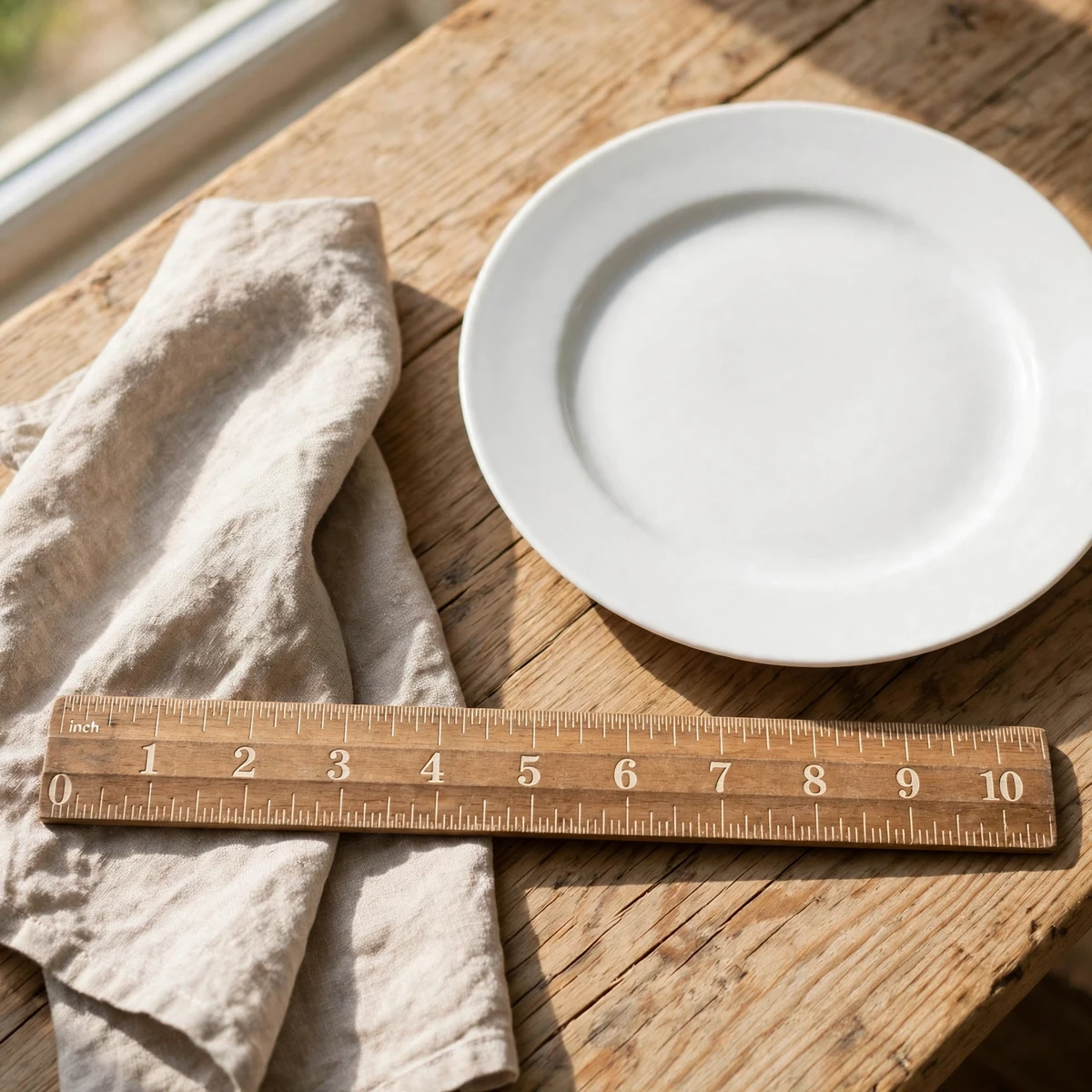
Ten inches is a little less than one foot. Since a foot contains 12 inches, 10 inches is two inches shorter than a full foot. It is also equal to 25.4 centimeters, which makes it a little more than 25 centimeters long.
This measurement is useful in many everyday situations. For example, you might come across a 10-inch pizza, a small tablet, a kitchen pan, or a serving plate. Knowing what 10 inches looks like can help you estimate the size of these items before measuring them.
Here are the main equivalents for 10 inches:
- Inches: 10 inches
- Feet: 0.8333 feet
- Centimeters: 25.4 cm
- Millimeters: 254 mm
- Metres: 0.254 m
- Yards: 0.2778 yards
To picture this length, imagine a standard 12-inch ruler. Ten inches would cover most of the ruler, leaving a two-inch section at one end. Another simple comparison is a little more than the width of a standard sheet of printer paper, which measures 8.5 inches across.
The exact length does not change when you switch measurement systems. Only the unit used to describe it changes. Therefore, 10 inches and 25.4 centimeters represent precisely the same distance.
10 Inches Conversion Chart
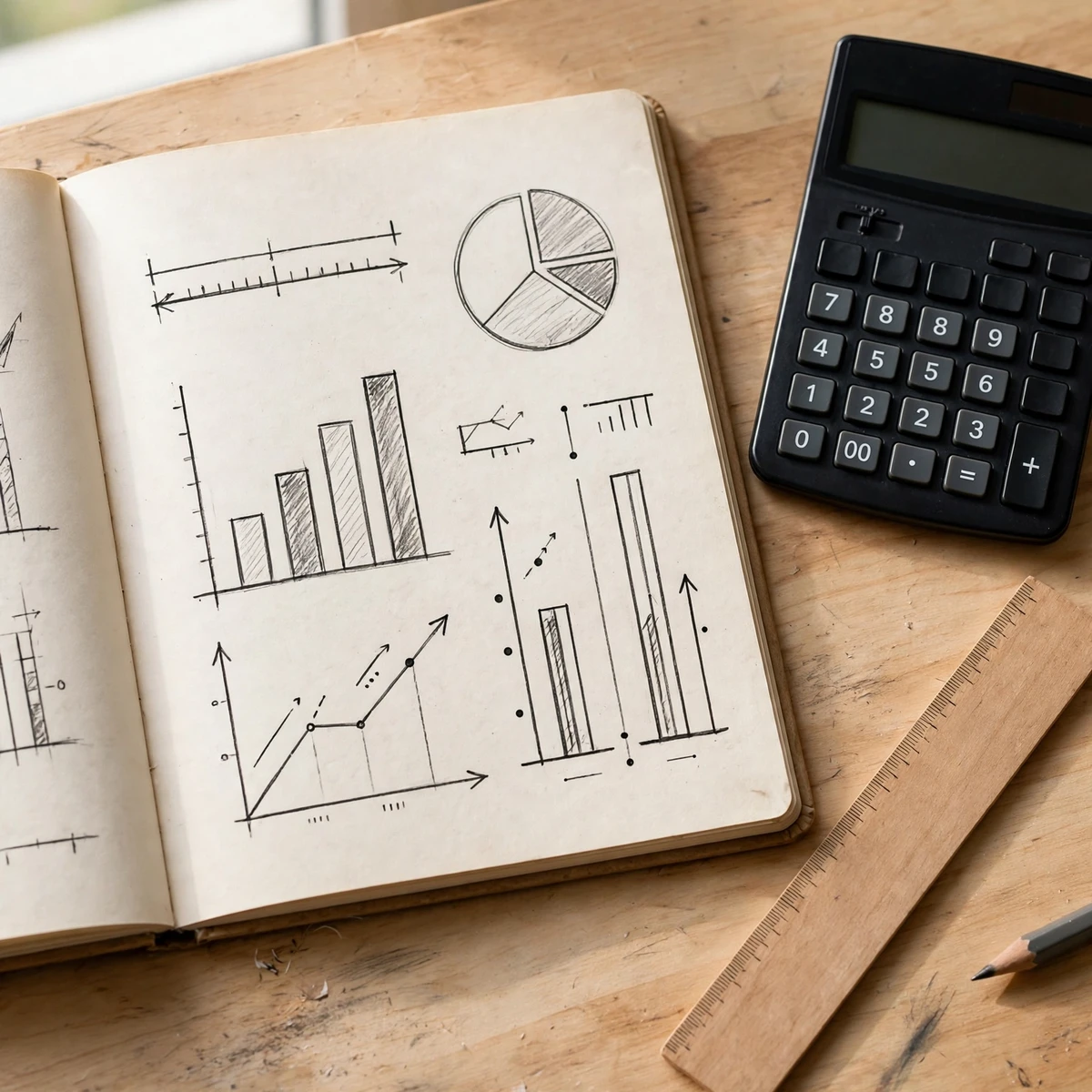
A conversion chart makes it easier to compare inches with other common units. The following table shows measurements from 0.5 inches to 12 inches, increasing in half-inch steps.
It includes conversions to feet, centimeters, millimeters, metres, and yards. These values are useful when measuring household objects, planning a project, or working with measurements from different countries.
| Inches | Feet | Centimeters (cm) | Millimeters (mm) | Metres (m) | Yards |
|---|---|---|---|---|---|
| 0.5 | 0.0417 | 1.27 | 12.7 | 0.0127 | 0.0139 |
| 1.0 | 0.0833 | 2.54 | 25.4 | 0.0254 | 0.0278 |
| 1.5 | 0.1250 | 3.81 | 38.1 | 0.0381 | 0.0417 |
| 2.0 | 0.1667 | 5.08 | 50.8 | 0.0508 | 0.0556 |
| 2.5 | 0.2083 | 6.35 | 63.5 | 0.0635 | 0.0694 |
| 3.0 | 0.2500 | 7.62 | 76.2 | 0.0762 | 0.0833 |
| 3.5 | 0.2917 | 8.89 | 88.9 | 0.0889 | 0.0972 |
| 4.0 | 0.3333 | 10.16 | 101.6 | 0.1016 | 0.1111 |
| 4.5 | 0.3750 | 11.43 | 114.3 | 0.1143 | 0.1250 |
| 5.0 | 0.4167 | 12.7 | 127 | 0.127 | 0.1389 |
| 5.5 | 0.4583 | 13.97 | 139.7 | 0.1397 | 0.1528 |
| 6.0 | 0.5000 | 15.24 | 152.4 | 0.1524 | 0.1667 |
| 6.5 | 0.5417 | 16.51 | 165.1 | 0.1651 | 0.1806 |
| 7.0 | 0.5833 | 17.78 | 177.8 | 0.1778 | 0.1944 |
| 7.5 | 0.6250 | 19.05 | 190.5 | 0.1905 | 0.2083 |
| 8.0 | 0.6667 | 20.32 | 203.2 | 0.2032 | 0.2222 |
| 8.5 | 0.7083 | 21.59 | 215.9 | 0.2159 | 0.2361 |
| 9.0 | 0.7500 | 22.86 | 228.6 | 0.2286 | 0.2500 |
| 9.5 | 0.7917 | 24.13 | 241.3 | 0.2413 | 0.2639 |
| 10.0 | 0.8333 | 25.4 | 254 | 0.254 | 0.2778 |
| 10.5 | 0.8750 | 26.67 | 266.7 | 0.2667 | 0.2917 |
| 11.0 | 0.9167 | 27.94 | 279.4 | 0.2794 | 0.3056 |
| 11.5 | 0.9583 | 29.21 | 292.1 | 0.2921 | 0.3194 |
| 12.0 | 1.0000 | 30.48 | 304.8 | 0.3048 | 0.3333 |
The 10-inch row is especially useful if you need to switch between imperial and metric measurements. For example, a product listed as 254 mm long has the same length as a product measuring 10 inches.
The chart also shows how quickly measurements change as you add half an inch. This can be helpful when comparing objects that look similar but have slightly different dimensions.
How to Convert 10 Inches Into Other Units
Converting inches into other units is straightforward once you know the correct conversion factors. You can use the following five formulas to calculate the equivalent measurement.
1. Inches to Centimeters
To convert inches into centimeters, multiply the inch measurement by 2.54.
Formula:
Centimeters = Inches × 2.54
For 10 inches:
10 × 2.54 = 25.4 cm
Therefore, 10 inches equals 25.4 centimeters.
This conversion is useful when reading product dimensions, measuring furniture, or comparing an American measurement with one listed in centimeters.
2. Inches to Millimeters
One inch contains exactly 25.4 millimeters. To convert inches into millimeters, multiply the measurement by 25.4.
Formula:
Millimeters = Inches × 25.4
For 10 inches:
10 × 25.4 = 254 mm
Therefore, 10 inches equals 254 millimeters.
Millimeters are useful for smaller measurements that require more detail. They are commonly used in construction, engineering, manufacturing, and DIY projects.
3. Inches to Feet
There are 12 inches in one foot. To change inches into feet, divide the measurement by 12.
Formula:
Feet = Inches ÷ 12
For 10 inches:
10 ÷ 12 = 0.8333 feet
Therefore, 10 inches equals approximately 0.8333 feet.
This means that 10 inches is five-sixths of a foot. It is also two inches shorter than one complete foot.
4. Inches to Metres
One inch is equal to 0.0254 metres. Multiply the number of inches by this value to find the equivalent in metres.
Formula:
Metres = Inches × 0.0254
For 10 inches:
10 × 0.0254 = 0.254 metres
Therefore, 10 inches equals 0.254 metres.
Metres are commonly used for measuring larger objects, rooms, furniture, and distances. Even though 0.254 metres may look like a small number, it represents the same length as 10 inches.
5. Inches to Yards
There are 36 inches in one yard. To convert inches into yards, divide the inch measurement by 36.
Formula:
Yards = Inches ÷ 36
For 10 inches:
10 ÷ 36 = 0.2778 yards
Therefore, 10 inches equals approximately 0.2778 yards.
Yards are often used for measuring fabric, flooring, and other materials. This conversion can be useful when working with measurements provided in different units.
Everyday Objects That Are About 10 Inches Long

One of the easiest ways to understand a measurement is to compare it with objects you already know. Ten inches is a practical size that appears in many household products, kitchen items, electronic devices, and everyday accessories.
For example, a dinner plate with a 10-inch diameter provides a useful visual comparison. A small tablet may also have a screen measuring close to 10 inches diagonally.
However, it is important to remember that an object’s advertised size does not always describe its overall length. Some measurements refer to width, height, diameter, or screen size instead.
The following examples can help you picture 10 inches in different settings. They are approximate comparisons rather than fixed standards, so always measure the actual item when accuracy matters.
10 Everyday Objects That Measure Around 10 Inches
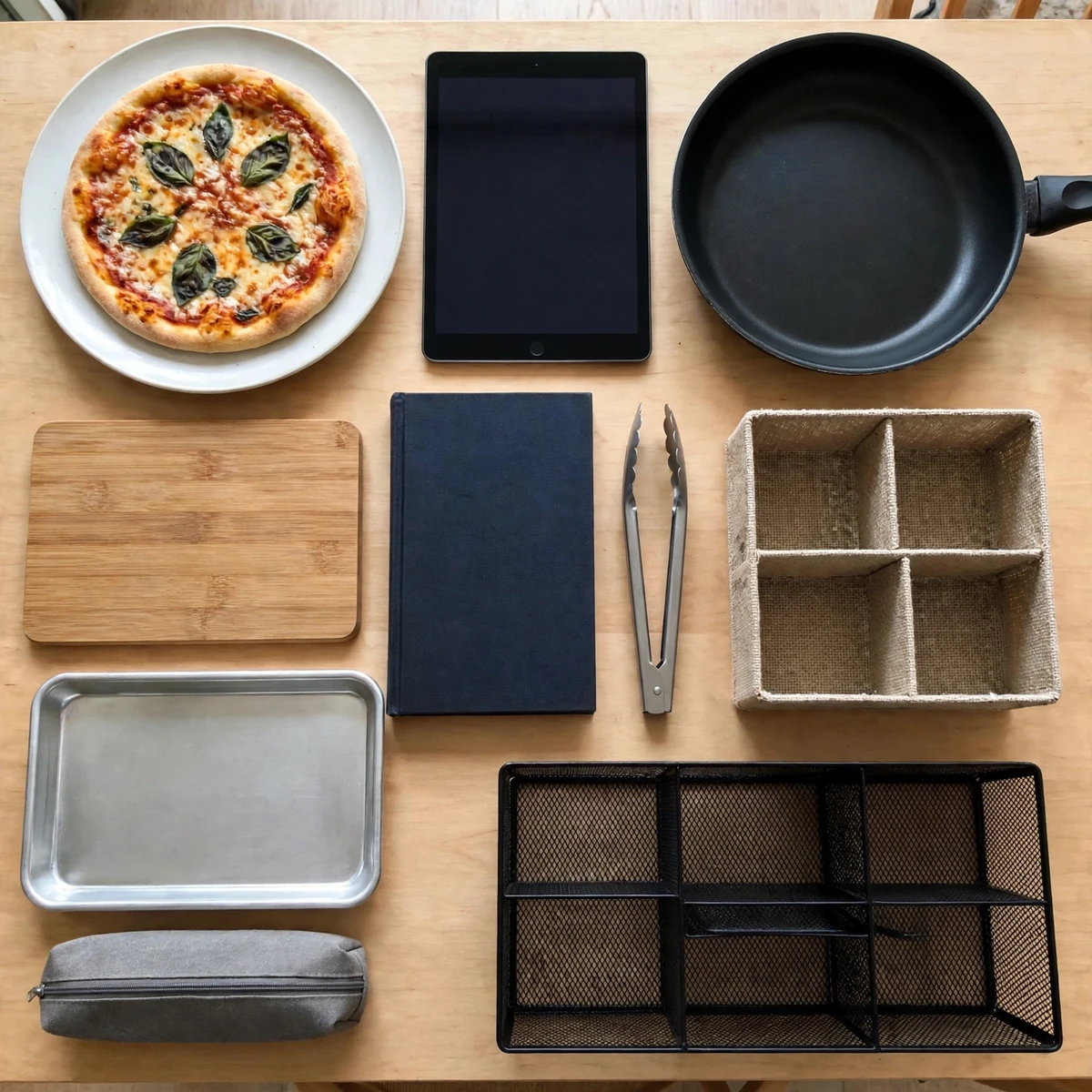
1. A 10-Inch Dinner Plate
A dinner plate with a diameter of approximately 10 inches is one of the easiest ways to picture this measurement. Many everyday plates fall within a range of sizes, and a plate around this size provides a familiar reference.
To measure one, place a ruler across the widest part of the plate, passing through its center. Measure from one outer edge to the opposite outer edge. This gives you the diameter.
If the measurement is close to 10 inches, the plate offers a good visual example of this length. Remember that plate sizes vary by manufacturer and design. Some are smaller, while larger dinner plates may measure considerably more than 10 inches.
2. A 10-Inch Pizza
A 10-inch pizza is another useful example. Pizza sizes are commonly described by their diameter, so a 10-inch pizza measures approximately 10 inches across.
To check the size, measure from one edge of the pizza to the opposite edge through its center. Do not measure around the crust, because that gives you the circumference rather than the diameter.
A pizza of this size is often considered a small pizza, although serving sizes differ between restaurants. The actual dimensions can vary slightly by manufacturer, restaurant, and design of the crust.
3. A Small Tablet Screen
Some compact tablets have screens measuring approximately 10 inches diagonally. This makes them a useful example of how the measurement appears in electronic devices.
However, screen size does not usually mean the device is 10 inches long from top to bottom or from side to side. Instead, manufacturers measure the screen diagonally, from one corner to the opposite corner.
To understand this measurement, use a ruler to measure across the visible display diagonally. Keep in mind that the tablet’s full body will usually be larger than its screen. Dimensions vary by manufacturer and design, including screen shape and bezel size.
4. A Small Kitchen Frying Pan
A frying pan with a 10-inch diameter provides another familiar comparison. This measurement is generally taken across the top of the pan, rather than across the cooking surface alone.
To measure it, place a ruler across the top opening from one outer edge to the opposite edge. Keep the ruler straight and pass it through the center.
A pan close to 10 inches across is a useful example of the length. However, the base may be narrower than the top opening. Handle length is also separate from the pan’s diameter. Sizes vary by manufacturer and design, so check the listed dimensions before purchasing.
5. A Small Cutting Board
Some compact kitchen cutting boards measure approximately 10 inches along their shorter or longer side. Their rectangular shape makes them useful for understanding this measurement.
Place a ruler along one straight edge of the board. Measure from one end to the other without including any handles or raised sections.
A board that measures 10 inches in length can help you picture the distance clearly. However, cutting boards come in many shapes and sizes. Their dimensions vary by manufacturer and design, and some are considerably longer or wider.
6. A Hardcover Book
Some hardcover books measure close to 10 inches in height, especially larger reference books, cookbooks, and illustrated publications.
To check the length, stand the book upright or place it flat on a table. Measure from the bottom edge of the cover to the top edge. Make sure the ruler follows the longest vertical side rather than the spine thickness.
A book around 10 inches tall is a helpful everyday comparison because most people have several books at home. Still, book dimensions vary by publisher, format, and design. Smaller paperbacks and standard novels may be much shorter.
7. A Pair of Kitchen Tongs
Some kitchen tongs have an overall length close to 10 inches. These utensils are useful for turning food, serving vegetables, and handling items during cooking.
To measure a pair of tongs, place them on a flat surface in their closed position. Measure from the end of the gripping tips to the opposite end of the handles.
If the result is close to 10 inches, they provide a practical comparison. Keep in mind that shorter serving tongs and longer grilling tongs are also common. Their lengths vary by manufacturer and design.
8. A Small Serving Tray
A compact serving tray may measure around 10 inches across one of its sides. This is a useful household example because trays are available in many different shapes.
For a rectangular tray, measure along its length from one outer edge to the opposite edge. If the tray is round, measure its diameter through the center instead.
A tray measuring approximately 10 inches on one side can help you visualize this distance. Some models have handles that extend beyond the main body, so decide whether you are measuring the tray itself or its full overall length. Sizes vary by manufacturer and design.
9. A Pencil Case
Some pencil cases measure approximately 10 inches long, particularly larger fabric cases designed to hold several pens, pencils, and other school supplies.
Place the pencil case on a flat surface and close its zipper. Then, measure along its longest side from one end to the other.
A case close to 10 inches long offers a simple comparison for this measurement. However, compact pencil pouches may be shorter, while larger cases can be longer. Dimensions vary by manufacturer and design, including the shape and amount of storage space.
10. A Small Desk Organizer
A compact desk organizer can also measure approximately 10 inches along its length or width. These organizers are used to store stationery, notes, pens, and other small office supplies.
To measure one, place it on a flat surface and measure across its longest horizontal side. If it has separate compartments or removable sections, measure the main body unless you need the complete assembled dimensions.
An organizer around 10 inches long gives you another familiar household reference. However, desk accessories come in many different sizes, and their dimensions vary by manufacturer and design.
How to Estimate 10 Inches Without a Ruler
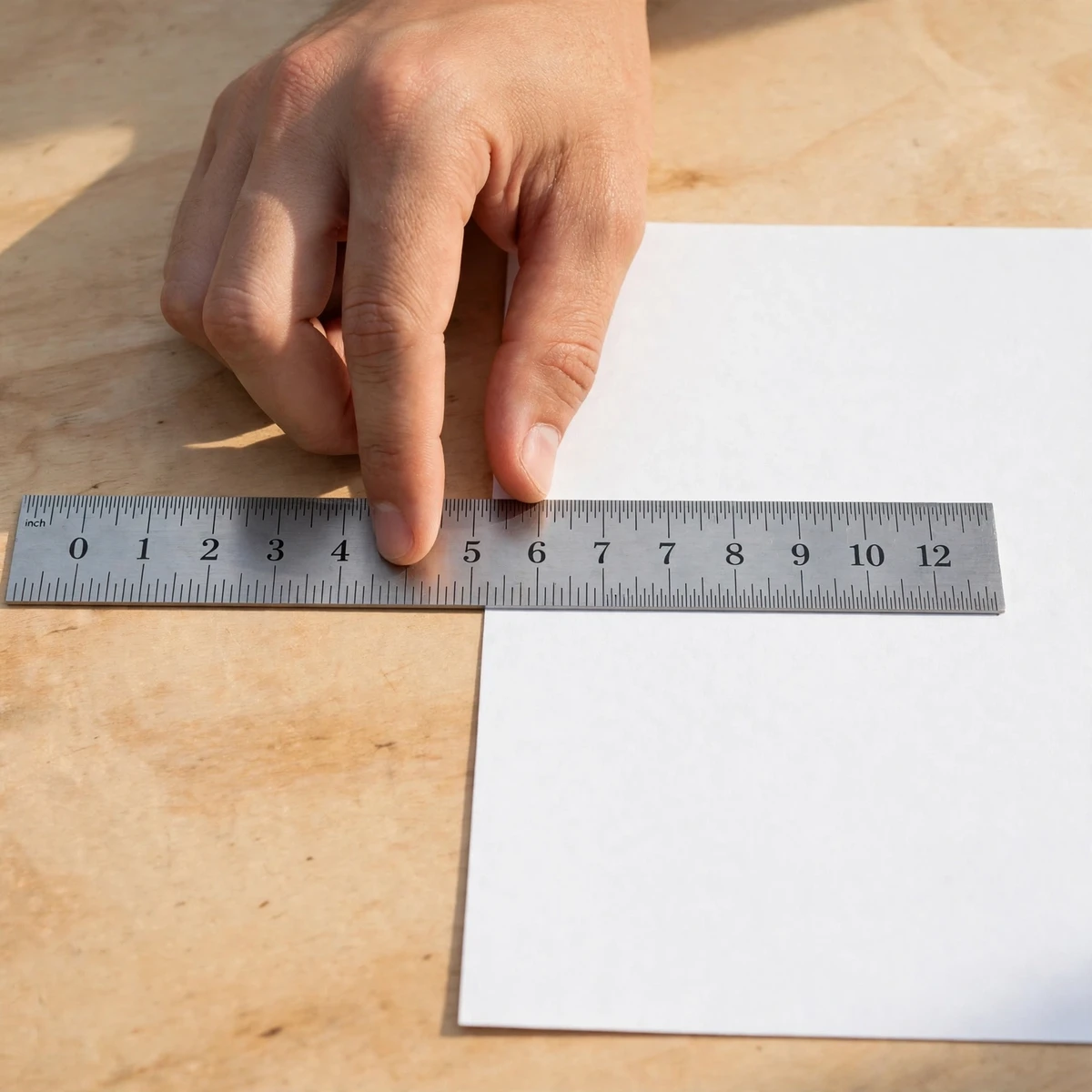
You do not always need a measuring tool to estimate 10 inches. Several familiar objects and simple techniques can help you get reasonably close.
These methods are useful when shopping, arranging furniture, completing household tasks, or checking whether an object will fit into a particular space.
However, remember that an estimate is not the same as an exact measurement. If you need precise dimensions for construction, cutting, or fitting something into a specific space, use a proper ruler or measuring tape.
1. Compare It With a Standard Sheet of Paper
A standard US letter-size sheet of printer paper measures 8.5 inches wide and 11 inches long.
This makes it a helpful reference for estimating 10 inches.
The 10-inch measurement is 1.5 inches longer than the paper’s width and one inch shorter than its length. Therefore, you can use either side of a sheet of paper to picture the difference.
Place the paper on a flat surface and imagine a length slightly longer than its shorter side. This will give you a useful estimate.
2. Use a Standard 12-Inch Ruler
If you have a standard foot-long ruler, estimating 10 inches is simple.
A 12-inch ruler is two inches longer than the measurement you need. Start at the zero mark and identify the 10-inch mark. The remaining section between 10 and 12 inches represents the extra two inches.
This method is particularly useful because it gives you an accurate reference without needing a separate measuring tool.
3. Use Your Handspan
Your hand can provide a rough measurement when you do not have a ruler.
A handspan is the distance between the tip of your thumb and the tip of your little finger when you spread your hand fully. For some adults, this distance may be close to 8 or 9 inches, while others have larger handspans.
You can use your hand as a starting point and estimate the remaining distance needed to reach 10 inches.
However, hand sizes differ considerably. Measure your own handspan once with a ruler if you plan to use it as a regular reference.
4. Compare It With a Large Smartphone
Many modern smartphones measure between approximately 5 and 7 inches in height. Although models differ, a large phone can help you estimate a longer measurement.
Imagine placing a large smartphone lengthwise on a table. A 10-inch distance will usually be noticeably longer than the phone itself.
You can also measure your own phone to create a more useful personal reference. Avoid assuming every smartphone has the same dimensions, as sizes vary by manufacturer and design.
5. Use Two Familiar Objects Together
Another simple method is to combine two objects with known approximate dimensions.
For example, you could place a 6-inch object beside a 4-inch object. Together, their lengths would equal 10 inches if they are aligned end to end without overlapping.
You might also use two objects that each measure around 5 inches.
This approach works best when the objects have straight edges and can be placed together accurately. It is useful for rough household estimates, although small differences between the objects can affect the final result.
Frequently Asked Questions About 10 Inches
1. How long is 10 inches in centimeters?
Ten inches equals exactly 25.4 centimeters. To calculate this, multiply 10 by 2.54, which is the number of centimeters in one inch.
2. How many millimeters are in 10 inches?
Ten inches equals 254 millimeters. Since one inch contains 25.4 millimeters, multiplying 25.4 by 10 gives you 254 mm.
3. Is 10 inches close to one foot?
Yes. Ten inches is close to one foot, but it is two inches shorter. A full foot contains 12 inches, so 10 inches represents five-sixths of a foot.
4. How many feet is 10 inches?
Ten inches equals approximately 0.8333 feet. To convert inches into feet, divide the measurement by 12.
5. How many metres is 10 inches?
Ten inches equals 0.254 metres. This is the same as 25.4 centimeters or 254 millimeters.
6. How many yards is 10 inches?
Ten inches equals approximately 0.2778 yards. There are 36 inches in one yard, so you divide 10 by 36 to get the result.
7. What everyday object is 10 inches long?
Several everyday items can measure around 10 inches. Examples include a 10-inch pizza, a dinner plate with a 10-inch diameter, a small kitchen pan, and some compact desk organizers. Actual sizes depend on the product.
8. Is 10 inches considered a long measurement?
Ten inches is a moderate length for a household object. It is shorter than a standard foot-long ruler but long enough to cover the width of many everyday items, including plates, trays, and small electronic devices.
9. How can I measure 10 inches without a ruler?
You can estimate 10 inches by comparing it with a standard sheet of printer paper, using a familiar object, or combining two objects with known lengths. For a more accurate result, use a standard 12-inch ruler and stop at the 10-inch mark.
10. Is 10 inches bigger than 25 centimeters?
Yes, but only slightly. Ten inches equals 25.4 centimeters, which is 0.4 centimeters longer than 25 centimeters.
11. How many inches are in 10 centimeters?
Ten centimeters equals approximately 3.94 inches. To convert centimeters into inches, divide the centimeter measurement by 2.54.
12. Why is it useful to know how long 10 inches is?
Knowing this measurement helps you compare product dimensions, estimate household object sizes, understand furniture measurements, and work with different measurement systems. It is also useful for DIY projects, shopping, cooking, and school assignments.
Final Thoughts
Ten inches is equal to 25.4 centimeters, 254 millimeters, 0.8333 feet, 0.254 metres, and approximately 0.2778 yards. It is two inches shorter than a foot, making it a convenient measurement to understand when comparing everyday objects. Familiar examples include a 10-inch pizza, a dinner plate, a small frying pan, and certain tablets and kitchen accessories. Although these objects may look different, they can help you picture the same basic length.
Understanding inches and their metric equivalents makes everyday measurements easier. You can use the conversion chart and formulas in this guide whenever you need to switch between units. You can also compare measurements with familiar household items when a ruler is not available. Learning more about the metric system’s origins can provide additional context about how different measurement units developed and why metric measurements are used around the world.

Grace is a lifestyle writer from California who loves starting mornings with positivity. At Mornetic, she shares uplifting quotes and cheerful messages to brighten your day.