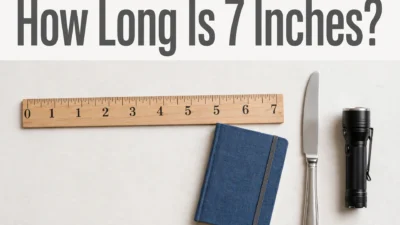
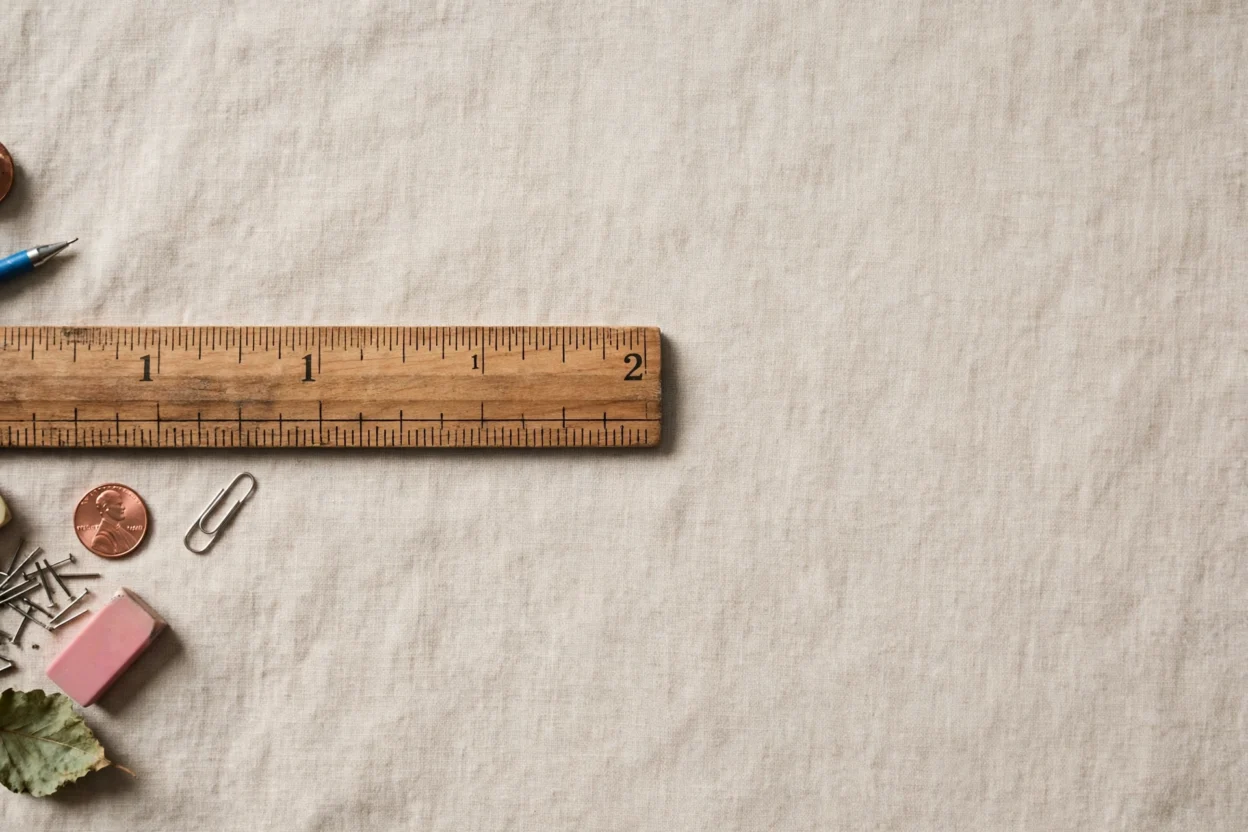
Two inches is a short length that can be difficult to picture if you do not have a ruler nearby. It equals 5.08 centimeters, 50.8 millimeters, 0.1667 feet, or 0.0508 meters. Although two inches may seem like a small measurement, it is useful for estimating the size of household items, checking dimensions, measuring small spaces, and understanding product specifications. You can visualize this length by comparing it with familiar objects, such as the width of a large paper clip, the diameter of certain jar lids, or the dimensions of small household accessories. These comparisons are helpful for developing a practical sense of the measurement, although the exact size of each object can vary. This guide explains how long two inches is, provides a conversion chart for common measurement units, and explores ten everyday objects that can help you picture the length. You will also learn simple ways to estimate two inches without a ruler and find answers to frequently asked questions about this measurement.
How long is 2 inches?
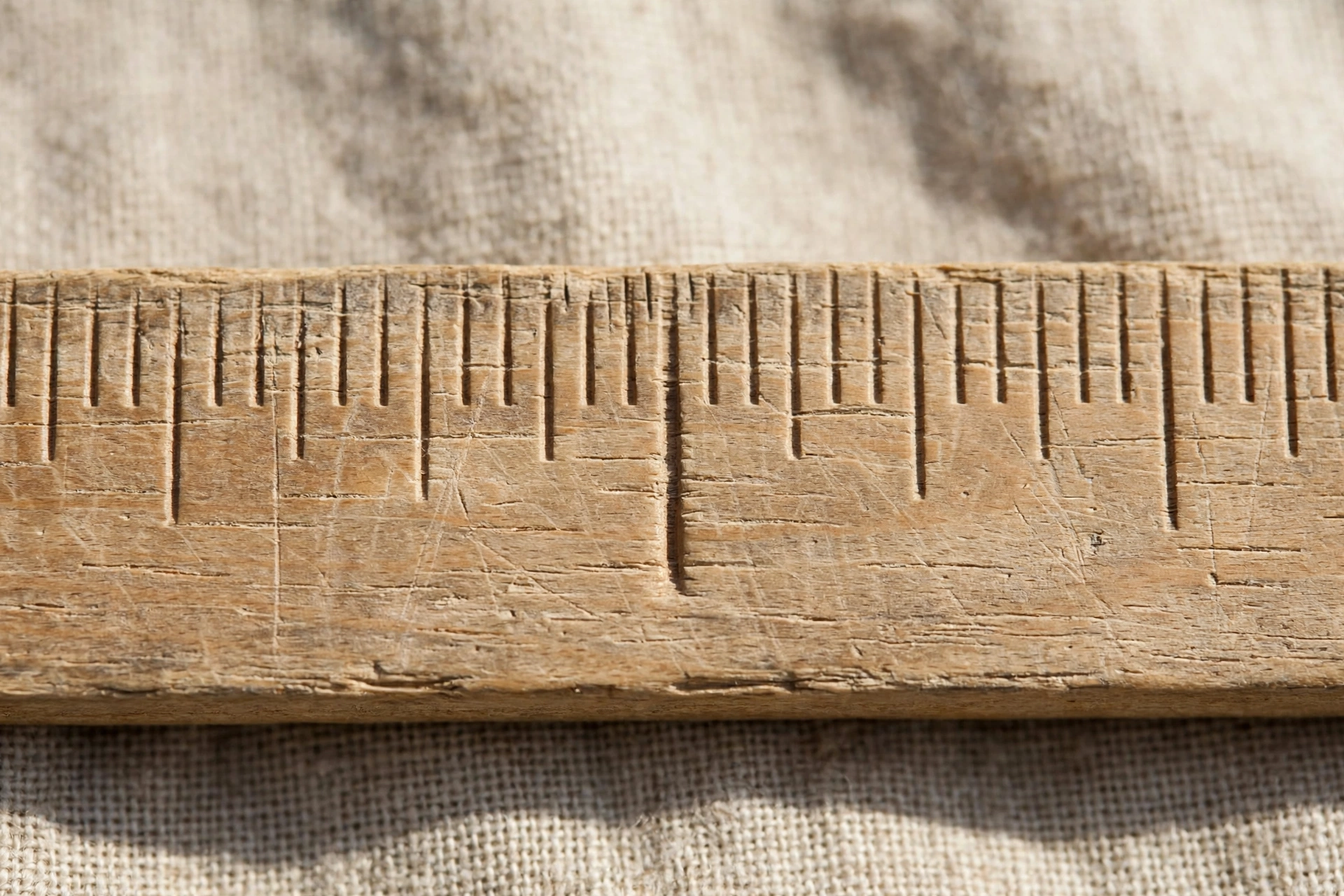
Two inches is a unit of length in the customary measurement system used in the United States. An inch is a standard unit for describing dimensions of everyday objects. One inch equals 2.54 centimeters exactly, therefore 2 x 2.54 = 5.08 centimeters.
The conversions for 2 inches are: Inches 2, Feet approximately 0.1667, Centimeters 5.08 cm, Millimeters 50.8 mm, Meters 0.0508 m, and Yards approximately 0.0556.
In everyday terms, two inches is a little more than the width of an average adult thumb, although thumb sizes vary. It is close to the diameter of some small lids and the width of certain compact accessories. Think of a short distance that fits comfortably across part of your hand.
It is important to distinguish length, width, height, and diameter. A product described as two inches wide may have a different height or thickness, and a two-inch diameter is not the same as a two-inch circumference.
2-inch measurement conversion chart
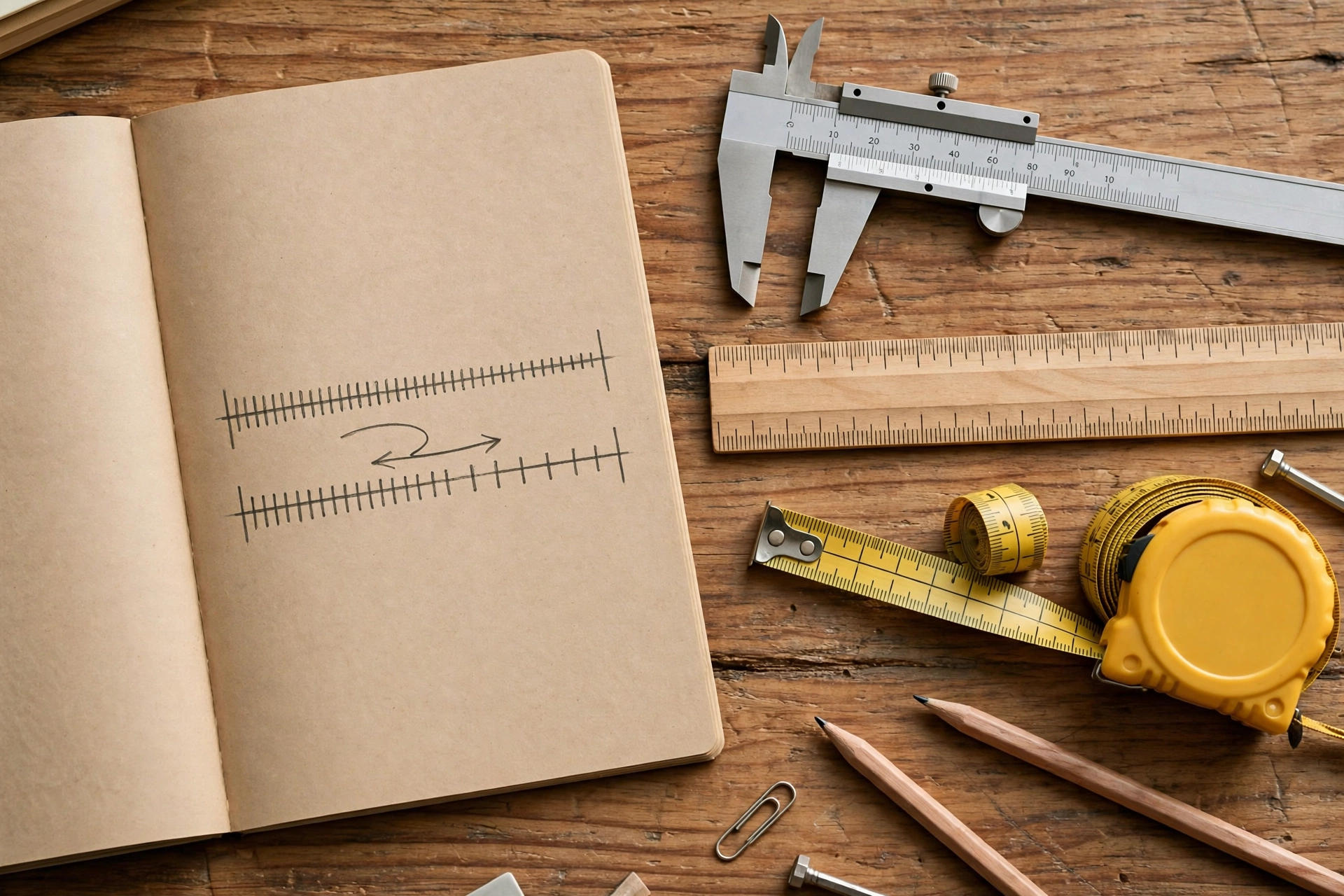
The table below shows how lengths around 2 inches translate into several common units of length. These values are useful when following instructions, comparing product dimensions, or working with measurements from different systems.
| Inches | Feet | Centimeters | Millimeters | Meters | Yards |
|---|---|---|---|---|---|
| 0.5 | 0.0417 | 1.27 | 12.7 | 0.0127 | 0.0139 |
| 1 | 0.0833 | 2.54 | 25.4 | 0.0254 | 0.0278 |
| 1.5 | 0.125 | 3.81 | 38.1 | 0.0381 | 0.0417 |
| 2 | 0.1667 | 5.08 | 50.8 | 0.0508 | 0.0556 |
| 2.5 | 0.2083 | 6.35 | 63.5 | 0.0635 | 0.0694 |
| 3 | 0.25 | 7.62 | 76.2 | 0.0762 | 0.0833 |
| 4 | 0.3333 | 10.16 | 101.6 | 0.1016 | 0.1111 |
Values with repeating decimals are rounded, and inch-to-metric conversions are exact where applicable.
Simple conversion formulas
Inches to centimeters: Multiply inches by 2.54. For example, 2 x 2.54 = 5.08 cm.
Inches to millimeters: Multiply inches by 25.4. For example, 2 x 25.4 = 50.8 mm.
Inches to feet: Divide inches by 12. For example, 2 / 12 = 0.1667 feet.
Inches to meters: Multiply inches by 0.0254. For example, 2 x 0.0254 = 0.0508 meters, which is also 5.08 cm / 100.
Inches to yards: Divide inches by 36. For example, 2 / 36 = 0.0556 yards.
Remembering that 2 inches = 5.08 cm is usually sufficient for everyday estimates.
Everyday objects that help visualise 2 inches
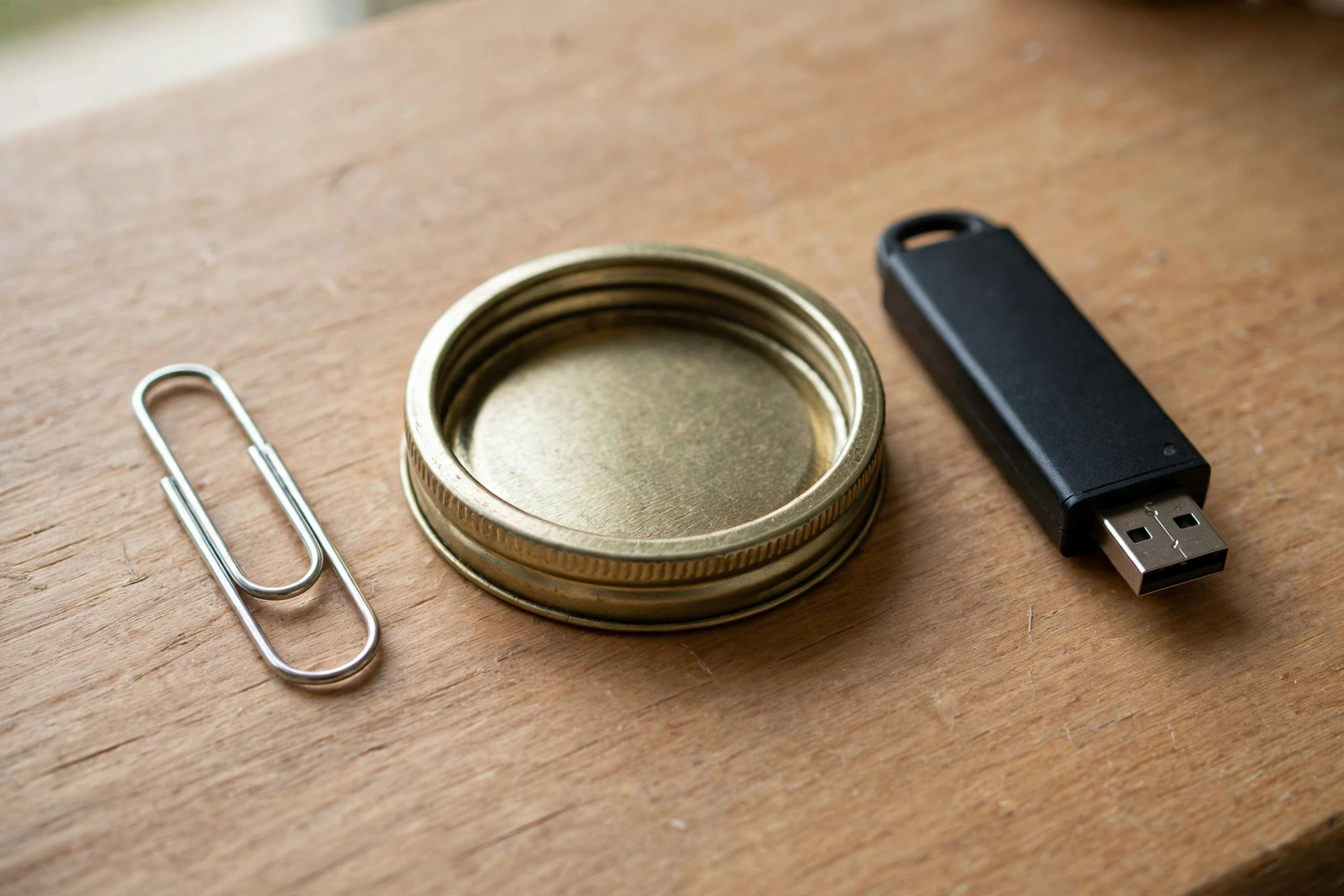
Choose objects whose dimensions are reasonably close to two inches, and consider which part you are comparing. The width of an object is not its total length, and a diameter is measured across the center, not around the circumference.
Comparisons are approximate. Manufacturing, design, and body proportions vary, so a small container lid may be close to two inches in diameter while another lid is wider. Combine two one-inch sections end to end to equal two inches, and use a ruler or marked tape to establish a reference first.
10 everyday objects that measure around 2 inches
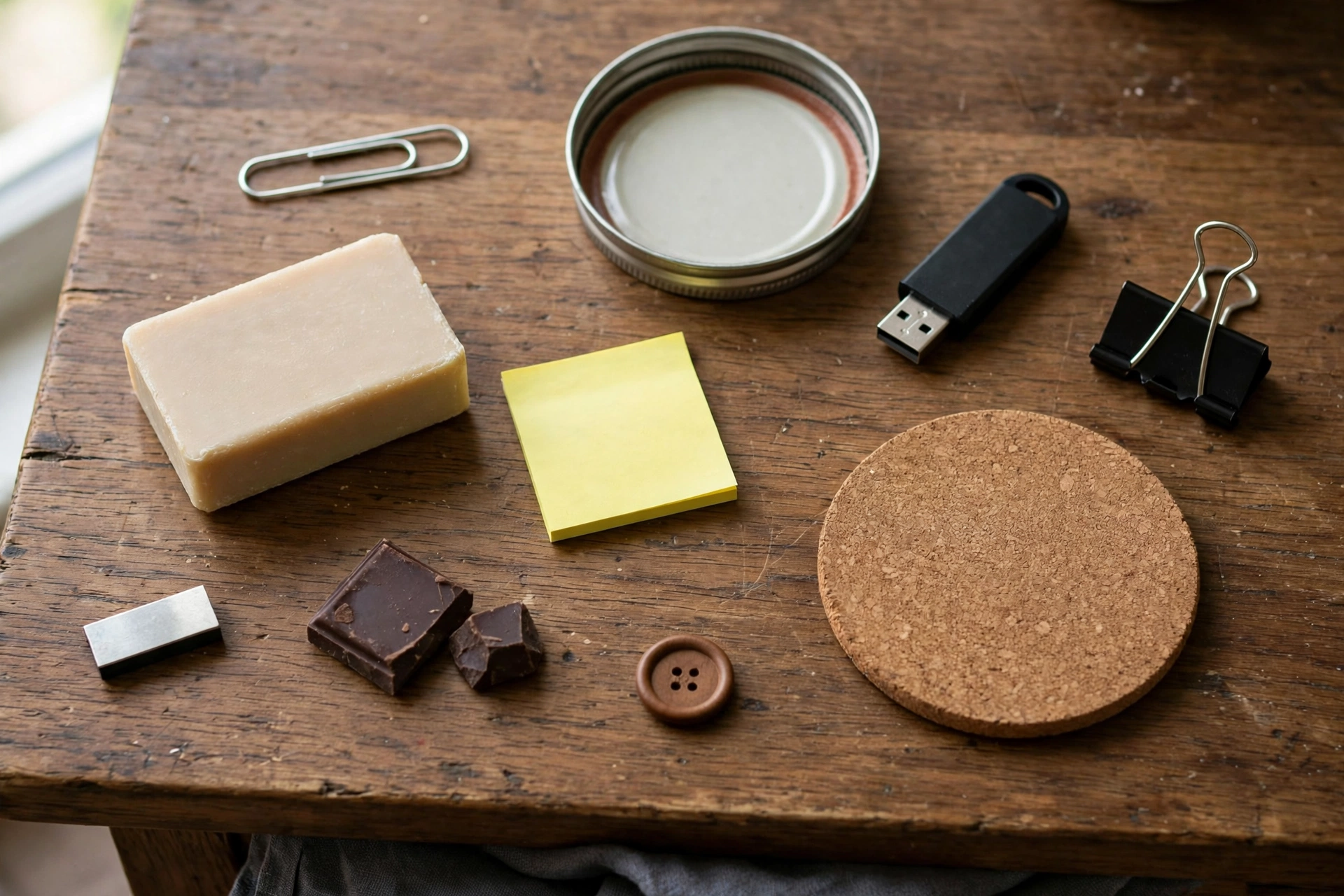
The objects below are selected to help you picture a measurement of roughly two inches. Some are close matches in particular common designs, while others are useful references when their relevant dimension is checked. The comparison refers to the stated dimension, not necessarily the entire object.
1. A large paper clip — A large or jumbo paper clip is a useful starting point for visualizing two inches. Some jumbo paper clips measure approximately two inches from end to end, although smaller paper clips are often noticeably shorter. Paper clips are familiar office supplies, so it is easy to imagine their length without needing a special reference object. A jumbo version placed on a desk provides a clear example of a short, narrow item that can approach the two-inch mark. Keep in mind that paper clips come in several sizes and shapes. Some are designed to hold just a few sheets of paper, while larger versions can secure thicker documents. Their overall length also depends on the shape of the wire and the number of bends. If you want to use a paper clip as a measuring reference, check its package dimensions or compare it with a ruler first. Once you know its actual length, it can become a convenient reference for estimating other small objects.
2. A small jar lid — Certain small jar lids have a diameter close to two inches. This makes them useful for understanding the distance across a circular object, particularly if you regularly handle spice jars, sample containers, or small storage jars. Imagine placing a ruler across the center of the lid from one outside edge to the opposite edge. If that distance measures approximately two inches, the lid provides a convenient visual reference for the measurement. The distinction between diameter and circumference is important here. Diameter measures the straight-line distance across the circle, whereas circumference measures the distance around its outer edge. A lid with a diameter of two inches has a circumference greater than six inches. Not every jar lid will be this size. Large food jars have much wider openings, and tiny containers may use lids that measure less than an inch across. Choose a small lid whose listed diameter is close to two inches if you need a more reliable comparison.
3. A compact bar of soap — Some compact guest soaps measure around two inches along one side. These small bars are often designed for travel accommodation, guest bathrooms, gift sets, or short-term use. A rectangular bar provides a helpful example because its length, width, and thickness are easy to distinguish. One side might measure approximately two inches even when the other sides are shorter or longer. For instance, a compact soap bar could be around two inches long while being narrower and relatively thin. This illustrates why it is useful to identify the exact dimension you want to compare instead of describing the entire object as two inches. Soap bars vary significantly by brand, shape, and intended purpose. Standard household bars may be much longer or wider, while miniature hotel soaps can be smaller. Check the product dimensions if you need to know whether a particular bar is a close match.
4. A small square sticky note — Small square sticky notes can provide another reference for a two-inch measurement. Certain compact sticky-note formats have sides close to two inches, making them convenient for visualizing a short distance on a flat surface. Because the note is square, its width and height are the same. If each side measures approximately two inches, you can compare either edge with the length you want to estimate. This is particularly useful when organizing a desk, labeling small containers, or planning where to place short labels. A square note can also show how much surface area a two-inch width occupies compared with a larger sheet of paper. However, sticky notes are sold in many formats. Common square notes may have sides longer than two inches, while miniature notes may be substantially smaller. Do not assume every square sticky note measures two inches simply because it looks compact. If you have a package of sticky notes, look for the listed size or measure one sheet before using it as a reference.
5. A small USB flash drive — Some compact USB flash drives have an overall length close to two inches. Their small size makes them useful for visualizing the measurement, especially if you regularly work with computers, school materials, or office equipment. A flash drive can be longer than two inches when its connector and protective housing are included. Other models have very short bodies designed to remain plugged into a computer without extending far from the port. For a fair comparison, measure the complete drive from its furthest end to the opposite end. If the connector cap is removable, decide whether you are measuring the drive with or without the cap. Flash drives are not standardized to a single physical size. Their dimensions vary according to the manufacturer, storage design, connector type, and protective casing. A model with a metal swivel cover may also have a different shape from one with a plastic cap. A compact flash drive is therefore best treated as an approximate visual aid unless you have confirmed its dimensions.
6. A small binder clip — A small binder clip can help you understand two inches when you look at its width or compare it with other desk accessories. Some larger small-format clips approach this measurement across their body, although many ordinary binder clips are narrower. Binder clips are commonly used to keep loose pages together. Their black metal bodies and projecting wire handles make it easy to see the difference between the main body and the object’s total width. If a binder clip measures close to two inches across its body, it provides a convenient reference for comparing the width of small boxes, folded papers, or other desktop items. However, its height and depth will be different from its width. Clip sizes are often described by the width of the metal body, so pay attention to the manufacturer’s stated dimension. The wire handles can extend beyond the body and change the overall measurement. A small binder clip is not guaranteed to measure two inches. Choose a model with a verified width close to 50.8 millimeters if you need a dependable reference.
7. A round drink coaster — Some compact drink coasters measure approximately two inches across, particularly miniature coasters designed for small cups, decorative displays, or specialized uses. They provide a flat, circular surface that makes the idea of a two-inch diameter easy to understand. To visualize the measurement, imagine drawing a straight line through the center of the coaster from one edge to the other. That line represents its diameter. A typical full-size drink coaster is often considerably wider than two inches, so an ordinary coaster should not automatically be used as an exact reference. Miniature versions are more suitable for this comparison. Coasters are made from cork, wood, silicone, ceramic, fabric, and other materials. Their sizes vary according to the type of drinkware they are designed to support, as well as their decorative style. If you are using a coaster to estimate the width of a small object, check its diameter first. A verified two-inch coaster can be particularly useful because its circular shape makes it easy to compare distances across other round objects.
8. A compact sewing button — A sewing button is a familiar household object, but a two-inch comparison requires a particularly large decorative or specialty button. Most ordinary clothing buttons are much smaller, so they should not be treated as direct two-inch references. Large buttons may be used on coats, costumes, craft projects, decorative pillows, and handmade accessories. Some specialty designs can approach two inches in diameter, making them useful examples of how wide a short circular measurement looks. The easiest way to understand this comparison is to imagine a large button that measures 50.8 millimeters across. Its diameter would match two inches exactly, even though the button itself is thin. The distinction between diameter and thickness matters. A large button may be two inches wide while being only a small fraction of an inch thick. Button sizes vary by manufacturer and intended use. If you want to use a button as a reference, select a large decorative model with a known diameter instead of assuming that an ordinary shirt button is close to two inches.
9. A compact bar of chocolate — Some individually wrapped chocolate pieces and miniature chocolate bars have a side that measures close to two inches. They can be useful for picturing a short length because their rectangular shapes make the edges easy to identify. For example, a small chocolate square might measure around two inches across while remaining shorter or thinner in its other dimensions. A miniature bar could also be close to two inches long, depending on its design. This comparison is most helpful when you know the product’s actual size. Chocolate products come in a wide range of formats, from tiny individual pieces to long bars intended to be divided into several servings. Packaging can also make a difference. The wrapper may extend beyond the chocolate itself, so measuring the package will not necessarily give you the dimensions of the food inside. Use the chocolate’s physical dimensions rather than its package appearance when making a comparison. If the product is intended to serve as a measurement reference, verify the length or width rather than relying on its label or general description.
10. A small decorative magnet — Certain compact refrigerator magnets measure close to two inches along one edge. Small rectangular magnets, souvenir magnets, and decorative pieces can provide a practical visual reference for short distances. A rectangular magnet is especially easy to compare with a two-inch length because its straight edges make the relevant dimension clear. You can place it beside another object and compare their widths or lengths directly. For example, a magnet measuring approximately two inches long could help you estimate the length of a short label, a small craft component, or a compact household accessory. Not all decorative magnets have comparable dimensions. Some are tiny, while others cover a large portion of a refrigerator door. Irregular shapes can also make it harder to identify a single length without measuring between the object’s outermost points. As with the other examples, dimensions vary by model and manufacturer. Check the magnet’s listed measurements or use a ruler to confirm its size before relying on it for a close estimate. The examples in this section are intended as visual references, not universal standards. Everyday products vary in size, so a familiar object is most useful when its relevant dimension has been verified.
How to estimate 2 inches without a ruler
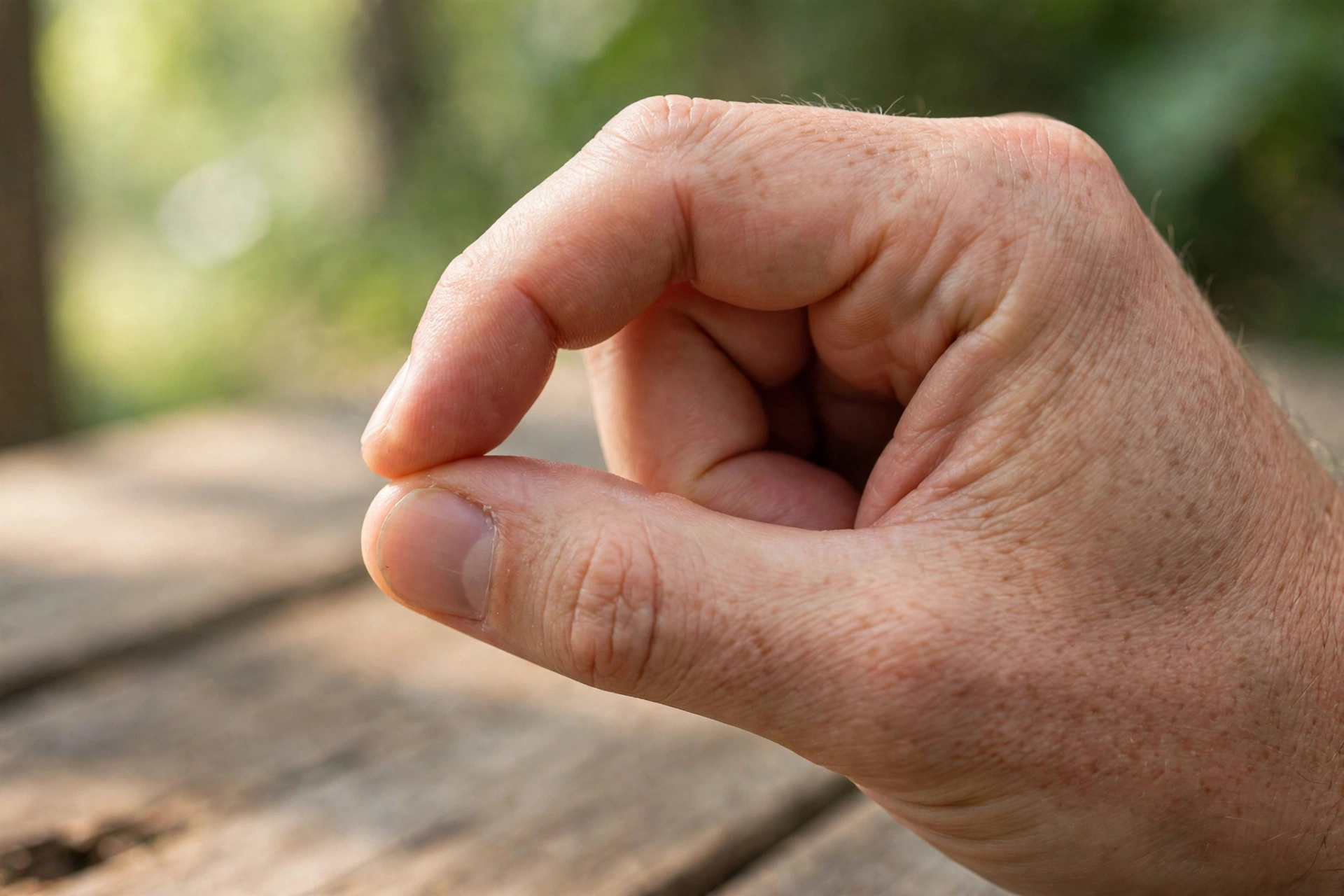
You can estimate two inches fairly well with a little practice, even if you do not have a measuring tool nearby. The goal is not perfect accuracy but a practical sense of scale. A two-inch estimate is useful for comparing the size of a small item, spacing objects on a desk, or checking whether a product is likely to fit a particular slot. The methods below use familiar references and simple techniques. They work best when you remember that the estimate is approximate. If you need an exact measurement, use a ruler, measuring tape, or digital caliper.
1. Use your thumb width — An adult thumb provides one of the simplest references for estimating two inches. The width of an average adult thumb, measured across the thumbnail or the widest part of the thumb joint, is often close to one inch. If you place two thumb widths side by side, the combined width is approximately two inches. This method is not exact, because thumb sizes vary considerably from person to person. Children generally have smaller thumbs, while larger adults may have thumbs wider than one inch. You can improve accuracy by measuring your thumb once with a ruler and remembering its width. Once you know that value, you can double it to estimate two inches more reliably. This is a useful quick check when you need to compare a small object without any tools.
2. Combine two one-inch sections — Another reliable method is to break two inches into two one-inch segments. If you know the length of a one-inch reference, such as a standard thumb width, the size of a small coin, or a marked section on a ruler, you can use it twice. Place the reference end to end along the object you are estimating. The first section covers the first inch, and the second section covers the second inch. Together, they form a two-inch length. This method works well because it uses a smaller, easier-to-judge measurement. It also reduces the chance of overestimating or underestimating the full length at once. You can mark the first segment lightly with a pencil or fingertip, then place the reference beside it to complete the second inch.
3. Compare with a standard bank card — A standard bank card provides a useful reference for estimating small lengths. Most standard credit and debit cards measure approximately 3.375 inches long and 2.125 inches wide. The short side is close to two inches, although it is slightly longer by about one-eighth of an inch. This makes it a practical guide when you need a rough estimate. Hold the card beside the object and compare the short side with the length you want to measure. If the object is slightly shorter than the card’s width, it is likely close to two inches. If it is noticeably longer, it probably exceeds two inches. This method is especially convenient because bank cards are commonly carried in wallets or purses. However, it should not be used for precise measurements. Card dimensions can vary slightly by issuer or format, and the difference of one-eighth inch matters when accuracy is important.
4. Fold a piece of paper — Folding a sheet of paper can help you create a simple two-inch reference. Standard paper is not marked in inches, but you can fold it carefully to approximate the measurement. Start by folding a small section of the paper to create a narrow strip. Then use a known reference, such as your thumb width or a bank card, to judge the length of that strip. You can also fold a strip in half and use the folded length as a guide. For example, if you fold a four-inch strip in half, each half measures approximately two inches. This method requires care because paper folds can be uneven. It is best used as a rough visual guide rather than a precise measuring tool. Still, it can be helpful when you are working with craft materials, wrapping paper, or packaging and need a quick estimate.
5. Estimate visually — Visual estimation becomes easier with practice. You can train your eye by comparing objects you already know measure around two inches. For example, once you have seen a jumbo paper clip, a small jar lid, or a compact sticky note, you can use that mental image to judge other objects. Start by looking at the object’s longest or shortest dimension, depending on which one you want to estimate. Compare it with your remembered reference. Ask yourself whether it appears slightly shorter, about the same, or slightly longer than the reference. With repeated practice, your estimates will become more accurate. However, visual estimation is affected by perspective, distance, and the object’s shape. A thin object may appear shorter than a wider object of the same length. It is best to combine visual estimation with one of the physical methods above when you need a more reliable result.
Frequently Asked Questions
The following questions address common concerns about two inches. Each answer provides a brief explanation without repeating the full details already covered in the article.
1. What is 2 inches in centimeters? Two inches equals exactly 5.08 centimeters. This conversion is based on the international definition of one inch as 2.54 centimeters. To convert, multiply the number of inches by 2.54. Therefore, 2 x 2.54 = 5.08 cm.
2. How many millimeters are in 2 inches? Two inches equals 50.8 millimeters. This is because one inch equals 25.4 millimeters. Multiplying 25.4 by two gives 50.8 mm. This value is useful when working with metric rulers, small components, or product dimensions.
3. What is 2 inches in feet? Two inches equals approximately 0.1667 feet. This is because one foot contains 12 inches. Dividing two by 12 gives 0.166666…, which rounds to 0.1667 feet when expressed to four decimal places.
4. What objects are 2 inches long? Several small objects can measure close to two inches along one dimension. Examples include a jumbo paper clip, a small jar lid, a compact sticky note, a small USB flash drive, and a small decorative magnet. However, exact sizes vary by brand and model, so dimensions should be verified when precision matters.
5. How can I measure 2 inches without a ruler? You can estimate two inches using your thumb width, two one-inch sections, a standard bank card, a folded strip of paper, or visual comparison with familiar objects. The thumb-width method is often the easiest. If your thumb measures approximately one inch across, two thumb widths equal about two inches.
6. Is 2 inches the same as 5 centimeters? Two inches is slightly more than five centimeters. The exact conversion is 5.08 centimeters. While five centimeters is a close approximation, it is not identical. The difference is 0.08 centimeters, which is less than one millimeter. For casual estimates, five centimeters is acceptable, but for precise work, use 5.08 centimeters.
7. How wide is 2 inches in comparison to a hand? Two inches is narrower than the width of most adult hands. An adult palm is typically between three and four inches wide, depending on hand size. Two inches is roughly half the width of an average adult palm, although individual hand sizes vary. It is closer to the width of two adult thumbs placed side by side.
8. What is 2 inches in meters? Two inches equals 0.0508 meters. This conversion uses the formula meters = inches x 0.0254. For two inches, 2 x 0.0254 = 0.0508 meters. This is slightly more than five hundredths of a meter.
9. Can I use a bank card to estimate 2 inches? Yes, a standard bank card can provide a useful estimate. The short side of a standard card measures approximately 2.125 inches, which is slightly longer than two inches by about one-eighth inch. This makes it a practical reference for rough measurements, although it should not replace a ruler when accuracy is important.
10. Why do measurements vary between products? Measurements vary because manufacturers use different designs, materials, and production standards. For example, a jar lid’s diameter depends on the container it was designed for, while a flash drive’s length depends on its internal components and housing. Product dimensions also change over time as new models are released. Always check the stated dimensions when you need an exact measurement.
Final Thoughts
Two inches may seem like a small measurement, but it is useful in many everyday situations. It equals 5.08 centimeters, 50.8 millimeters, approximately 0.1667 feet, and 0.0508 meters. Familiar objects such as jumbo paper clips, small jar lids, compact sticky notes, and small decorative magnets can help you visualize the length when a ruler is unavailable. Simple estimation methods, including thumb width, two one-inch sections, and a standard bank card, make it possible to judge the measurement quickly. Remember that everyday objects vary in size, so these comparisons are best treated as approximate references. For precise work, always use a proper measuring tool. Understanding two inches in both customary and metric units makes it easier to interpret product dimensions, plan small projects, and communicate measurements clearly. The metric system provides a consistent framework for converting inches into centimeters and millimeters, which is particularly useful when working with international products or scientific measurements. With a little practice, two inches will become a measurement you can recognize at a glance.

Grace is a lifestyle writer from California who loves starting mornings with positivity. At Mornetic, she shares uplifting quotes and cheerful messages to brighten your day.