
You hear a persistent rattle every time the wind blows. You struggle to open a window on a perfect spring day. Or worse, you feel a distinct draft while sitting nearby, sending your energy bills higher. Windows are the eyes of your home, but when they fail, they can quickly become a source of frustration and expense. Before you resign yourself to the hefty cost of full replacement, take a deep breath. Window repair is often a highly effective, budget-friendly solution that can restore functionality, improve efficiency, and extend the life of your windows for years to come.
This definitive 2026 guide is designed to empower you, whether you’re a confident DIY enthusiast or a homeowner seeking to make an informed decision about hiring a pro. We’ll walk you through diagnosing common problems, provide clear repair tutorials, tackle the big “repair vs. replace” question, and show you how to find trustworthy help. Let’s restore clarity, comfort, and quiet to your home.
Understanding Your Window: A Quick Anatomy Lesson
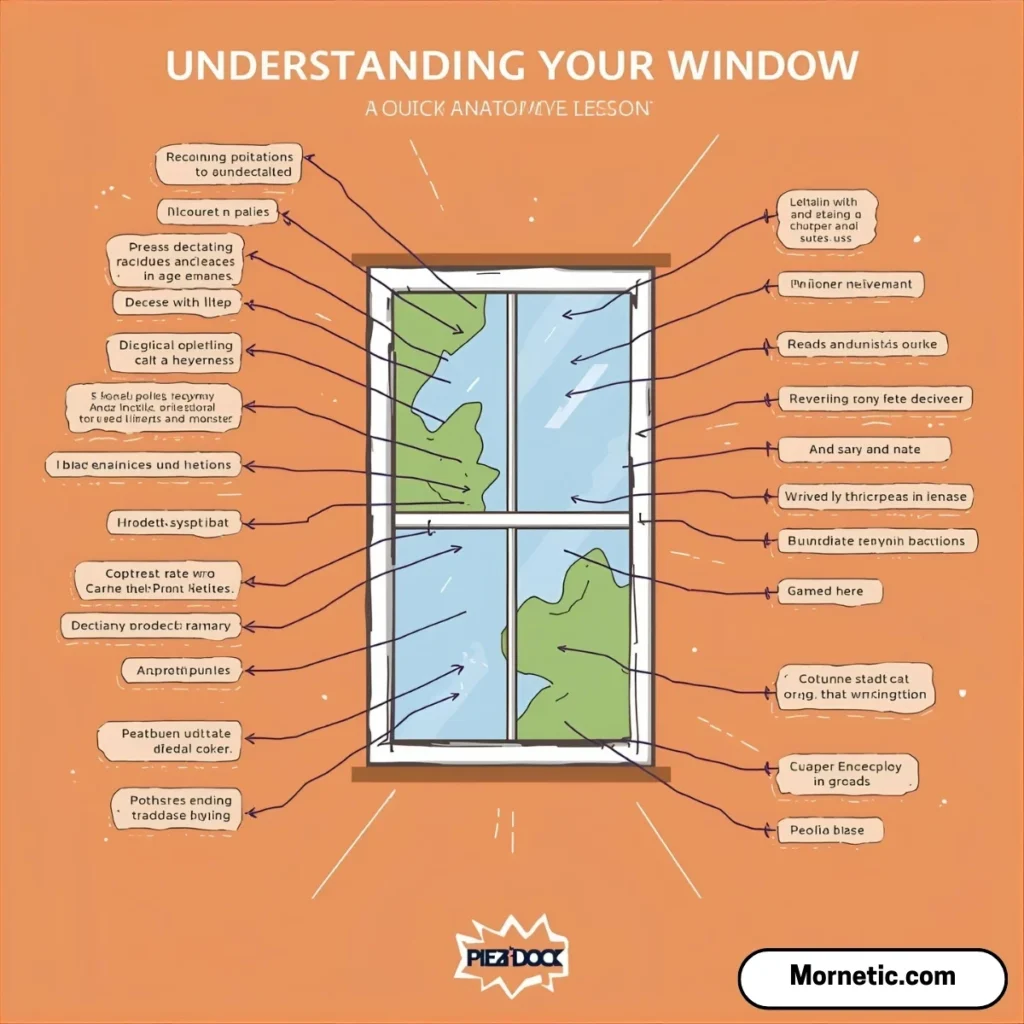
Before we dive into fixes, knowing the basic parts helps immensely. Most double-hung and casement windows share these components:
- Frame: The stationary structure that holds everything, attached to your house wall.
- Sash: The movable part of the window that holds the glass pane(s).
- Glass/Pane: The glazing, which can be single, double, or triple-pane.
- Seals: The airtight barriers around insulated glass units (IGUs) that prevent moisture ingress.
- Weatherstripping: The flexible material around the sashes that seals out drafts.
- Hardware: Includes locks, latches, hinges, and sash lifts.
- Balance System (for double-hung): Springs, cords, or blocks that counterweight the sash for easy opening.
The Window Repair Diagnostic Map: What’s Really Wrong?
Not every issue is a death sentence. Use this quick guide to pinpoint your problem.
- Problem: The window is drafty.
- Likely Culprits: Failed or compressed weatherstripping, gaps in the frame sealant, or a failed insulated glass unit (IGU) seal.
- Problem: The window is hard to open or close, or it sticks.
- Likely Culprits: Paint buildup in the channels, swollen wood from moisture, a misaligned track, or a broken balance system.
- Problem: There is condensation or fog between the glass panes.
- Likely Culprit: A failed IGU seal. The insulating argon/krypton gas has escaped, and moisture has entered.
- Problem: The window won’t stay open.
- Likely Culprit (for double-hung): A broken sash cord, spring, or block balance.
- Problem: There is visible water damage or rot on a wood frame.
- Likely Culprit: Long-term exposure to moisture, often due to failed exterior caulking or paint.
DIY Window Repair: 4 Common Fixes You Can Handle
If you’re handy with basic tools, these repairs can save you significant money.
1. Fixing Drafty Windows with Weatherstripping Replacement
This is the #1 most effective DIY window repair for energy efficiency.
- Tools/Materials: New self-adhesive V-strip or foam weatherstripping, utility knife, rubbing alcohol, clean cloth.
- Steps: Carefully remove the old, cracked weatherstripping. Clean the channel thoroughly with alcohol. Measure and cut the new strip, leaving a slight overlap at corners. Peel and press firmly into place, ensuring the sash closes smoothly against it.
2. Freeing a Stuck Window Sash
Don’t force it! For painted-shut wood windows:
- Tools: Putty knife, utility knife, hammer, sandpaper, lubricant (paraffin wax is ideal).
- Steps: Run a utility knife along the seam between the sash and frame to cut the paint seal. Gently tap a putty knife into the gap to pry the sash loose. Once open, sand the edges of the sash and the track. Apply paraffin wax to the channels for a smooth glide.
3. Replacing Broken Window Hardware (Locks, Lifts)
This is a simple upgrade that boosts security and function.
- Tools: Screwdriver (Phillips and flathead), new hardware.
- Steps: Unscrew and remove the old, broken latch or lift. Take it to a hardware store to find an exact match. Screw the new piece into the existing holes. If aligning a new lock, ensure the strike plate on the opposing sash is also adjusted.
4. Patching Minor Wood Rot
Catching rot early is key to avoiding a full frame replacement.
- Tools: 5-in-1 painter’s tool, wood hardener, epoxy wood filler, putty knife, sandpaper, primer, paint.
- Steps: Scoop out all soft, rotten wood until you hit solid material. Apply liquid wood hardener to the exposed area. Once cured, knead and apply a two-part epoxy wood filler, molding it to the shape. Sand smooth once fully hardened, then prime and paint to match.
When to Call a Professional: The Limits of DIY

Some window repair tasks require specialized tools, skills, or safety considerations. Call a pro for:
- Insulated Glass Unit (IGU) Replacement: Sealed double-pane glass requires precise measurements, factory sealing, and often special handling. Many reputable companies offer this service, where they replace just the glass unit while keeping your existing frame and sash—a cost-effective middle ground.
- Broken Balance System in Double-Hung Windows: These spring-loaded systems are under tension and can be dangerous to handle without experience.
- Extensive Frame Rot or Structural Damage: If the rot compromises the window’s structure or extends into the wall, a professional assessment is crucial.
- Historic Window Restoration: Preserving original materials requires expert knowledge.
Finding the Right Tools: For any DIY project, having quality tools makes all the difference. While we don’t endorse specific brands, researching well-reviewed caulking guns, precision screwdriver sets, and multi-tools from reputable home improvement retailers can set you up for success.
The Billion-Dollar Question: Should You Repair or Replace Your Windows?
This isn’t just about cost; it’s about value, efficiency, and your home’s needs. Use this matrix.
REPAIR is the smarter choice when:
- The window frame is structurally sound (especially true for solid wood windows, which often outlast modern materials).
- The problem is isolated (single broken pane, faulty hardware, worn weatherstripping).
- You have historic windows where preservation adds character and value.
- Your budget is limited; most repairs cost 10-25% of a full replacement.
- You are committed to regular maintenance.
REPLACE is the necessary choice when:
- The frame has severe, widespread rot or structural damage.
- You have recurring condensation between panes on multiple windows (signaling systemic failure).
- You want a significant change in style, material (e.g., switching from aluminum to vinyl), or operation (e.g., changing sliders to casements).
- You are undergoing a major renovation where new, high-performance windows align with broader energy goals.
- The cost of repeated repairs is approaching the cost of a new, efficient window.
How to Vet a Window Repair Professional: The 5-Point Checklist
If you decide to hire out, choosing the right contractor is your most important job.
- Specialization & Experience: Look for companies that specifically list “window repair” and restoration, not just replacement. Ask how long they’ve been in business and for examples of similar repairs.
- Licensing & Insurance: Verify they hold a valid state contractor’s license (where required) and carry both liability and worker’s compensation insurance. Ask for proof.
- Detailed, Written Estimates: A trustworthy pro will provide a written quote detailing the scope of work, specific parts/materials (e.g., brand of weatherstripping, type of glass), labor costs, and a clear timeline.
- Warranty: What is covered (parts, labor)? For how long? A company confident in its work will offer a warranty.
- Reviews & References: Check Google, BBB, and trusted review sites. Read not just the stars, but the content of reviews. Ask the company for 1-2 references from recent, similar jobs.
Getting Accurate Estimates: Modern home service marketplaces can be a great starting point to get quick, comparable quotes from local, vetted professionals for your window repair project. These platforms allow you to review profiles, compare pricing, and read customer feedback before making a call.
Preventative Maintenance: Your Annual Window Check-Up
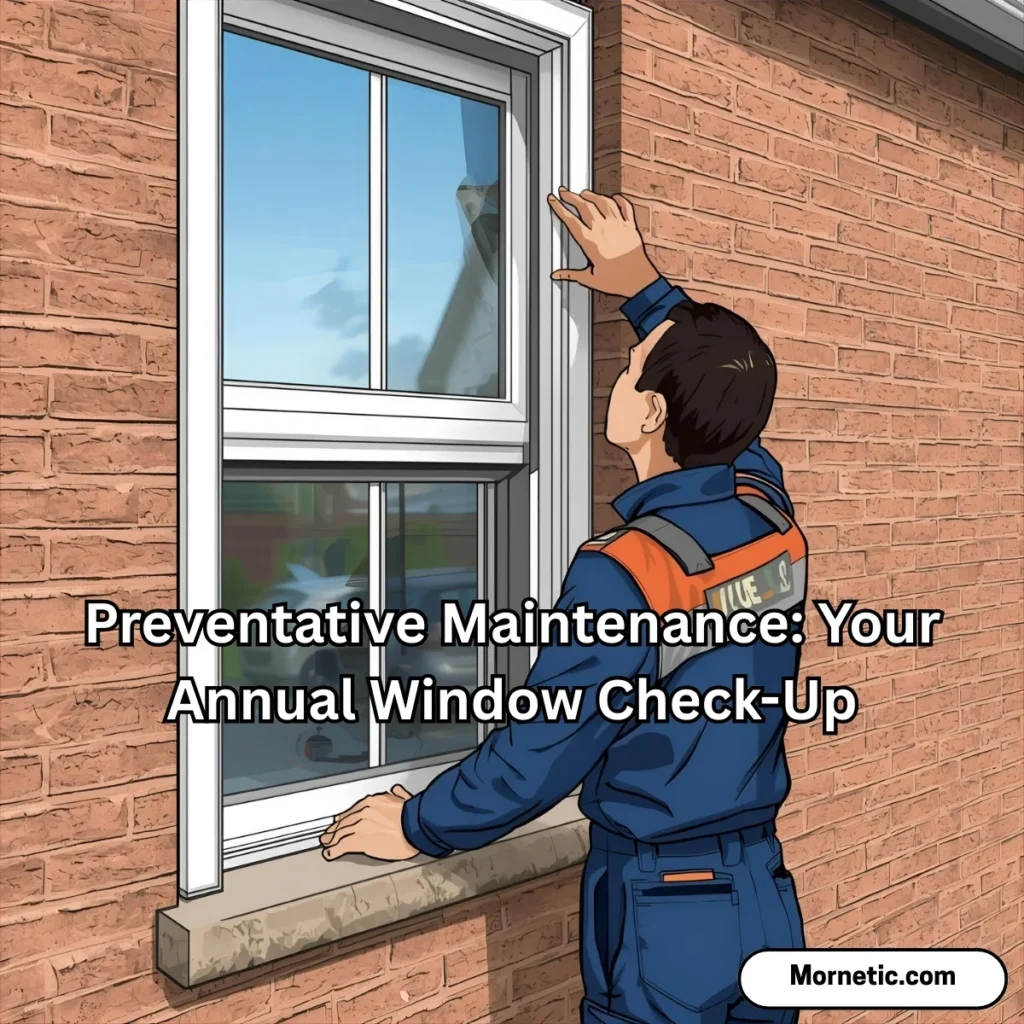
An hour of maintenance each year can prevent costly repairs.
- Spring/Fall: Inspect exterior caulking and sealant for cracks or gaps. Re-caulk as needed with a high-quality, paintable silicone latex blend.
- Clean Tracks & Channels: Vacuum out debris from window tracks and sills. Wipe clean with a damp cloth.
- Lubricate Moving Parts: Annually, apply a small amount of silicone spray or paraffin wax to hinges, locks, and sliding tracks.
- Inspect Weatherstripping: Feel for drafts and look for visible wear. Plan to replace it every 5-10 years.
- Wash Gently: Use a soft cloth, mild soap, and water. Avoid harsh chemicals or pressure washers directed at seals.
Cost Breakdown: What Can You Expect to Pay in 2025?
Prices vary widely by region, window type, and problem complexity.
- DIY Repairs (Materials Only): $20 – $150 (for weatherstripping, caulk, hardware, epoxy fillers).
- Professional Weatherstripping Replacement: $100 – $300 per window.
- Professional Sash Repair (freeing, re-balancing): $150 – $400 per window.
- Insulated Glass Unit (IGU) Replacement: $250 – $600 per pane, installed.
- Extensive Wood Rot Repair: $400 – $800+ per window, depending on scope.
Always get multiple quotes for professional work.
Eco-Friendly & Sustainable Window Repair

Repair is inherently sustainable! You’re conserving resources, reducing landfill waste, and preserving manufacturing energy. For older wood windows, repair maintains the embodied energy of the original high-quality material. When purchasing materials, look for low-VOC caulks and sealants and sustainably sourced wood products for any fill work.
Frequently Asked Questions (FAQ)
Q: Is it worth repairing windows that are over 20 years old?
A: Absolutely, especially if they are solid wood. The craftsmanship and material quality of older windows often surpasses modern vinyl units. With proper repair and weatherstripping, they can perform very efficiently.
Q: Can foggy double-pane windows be repaired without replacing the whole glass unit?
A: While “drill-and-fill” services exist, they are often temporary fixes with a high failure rate. The most reliable, long-term solution is to replace the entire sealed Insulated Glass Unit (IGU) within the existing sash.
Q: How long does a typical window repair take?
A: A simple DIY repair like weatherstripping can take 30-60 minutes per window. Professional repairs for issues like balances or glass replacement can often be completed in 1-2 hours per window.
Q: Will repairing my windows improve my home’s energy efficiency?
A: Dramatically. Sealing drafts with new weatherstripping and caulk is one of the most cost-effective energy upgrades you can make, potentially reducing heating and cooling costs by 10-20%.
Q: How do I know if the window frame is too damaged to repair?
A: If you can easily poke a screwdriver into the wood more than 1/4 inch in multiple places, or if the frame is soft, spongy, and has lost its structural shape, it likely needs more than a patch. A professional can assess if a splice or partial frame repair is possible.
Conclusion: Take Back Control of Your Home’s Comfort
Window repair isn’t just a chore; it’s an act of stewardship for your home. It saves money, conserves resources, and preserves the unique character of your living space. Whether you tackle a simple weatherstripping project this weekend or decide to bring in a professional for a glass replacement, you’re making a smart, sustainable choice.
We hope this 2026 guide has given you the knowledge and confidence to address your window woes. Have you successfully repaired a window in your home? Do you have another tricky window problem we didn’t cover? Share your stories and questions in the comments below—let’s help each other create more comfortable, efficient homes!
Found this guide helpful? Please share it with a friend or neighbor who might be battling a drafty window!

Grace is a lifestyle writer from California who loves starting mornings with positivity. At Mornetic, she shares uplifting quotes and cheerful messages to brighten your day.