
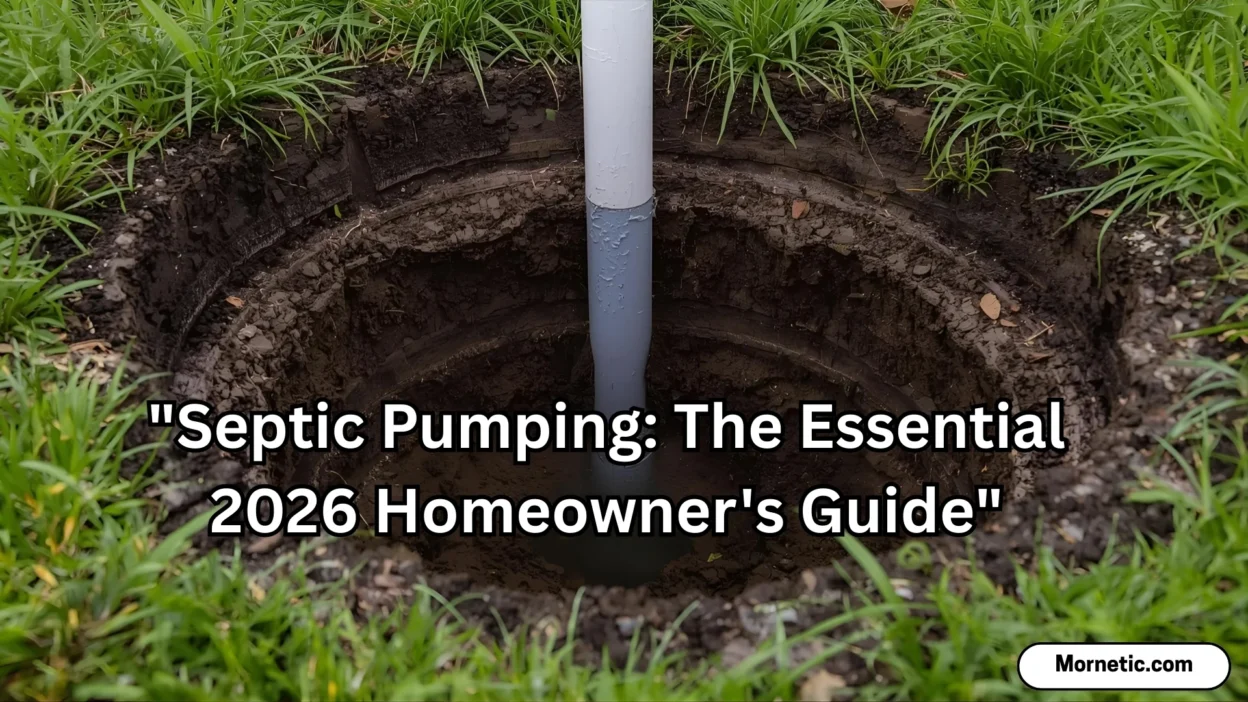
Let’s be honest: Your septic system is one of the most critical, yet most overlooked, components of your home. Out of sight, out of mind—until a foul odor wafts across the yard or, worse, wastewater backs up into your bathtub. These are not mere inconveniences; they are expensive, stressful emergencies that can disrupt your life for days.
The single most powerful action you can take to prevent this nightmare is regular septic pumping. Far from being an unnecessary expense, it’s a vital investment in your home’s health, your family’s well-being, and your property’s value. This comprehensive guide for 2025 will move beyond the basic “why” and give you the how, the when, and the what to expect in clear, actionable detail. By the end, you’ll be equipped not just with knowledge, but with a practical plan for responsible, cost-effective septic system ownership.
What Exactly Is Septic Pumping (And What It Is Not)?

Septic pumping is the process of professionally removing the accumulated solids (sludge and scum) from your septic tank using a large, tanker truck with a powerful vacuum system. It’s essential maintenance, much like changing the oil in your car.
Crucially, it is not the same as fixing a drain field, repairing a broken pipe, or solving a clog. Pumping addresses the core issue of a full tank. If the system has other failures, pumping alone won’t solve them—which is why understanding the full process is key.
The Non-Negotiable “Why”: 4 Reasons You Cannot Skip Pumping
- Prevents System Failure: When solids aren’t removed, they flow into the drain field, clogging the soil pores. A failed drain field is the most costly septic repair, often requiring complete replacement.
- Protects Your Health & Environment: A malfunctioning system can leak raw, untreated sewage into your yard and groundwater, contaminating wells and spreading harmful pathogens like E. coli and viruses.
- Saves You Money Long-Term: The average cost of a pump ($300-$600) is a fraction of the $5,000-$15,000+ for drain field replacement. It’s the definition of “pay a little now, or a lot later.”
- Preserves Property Value: A well-documented, maintained septic system is a strong selling point. An un-pumped, failing system can derail a home sale and require costly escrow holdbacks.
The Golden Rule: How Often Should You Pump Your Septic Tank?

The old “every 3-5 years” rule is a starting point, but your actual schedule depends on key variables:
- Tank Size: A 1,000-gallon tank fills faster than a 1,500-gallon one.
- Household Size: More people = more wastewater and solids.
- Total Wastewater Generated: High-efficiency appliances extend time between pumps; long showers and multiple laundry loads shorten it.
- Garbage Disposal Use: Disposals significantly increase solid waste, requiring more frequent pumping.
The 2025 Best Practice: Have a professional inspect and measure your tank’s sludge/scum levels annually. They can then give you a data-driven pumping schedule. For a family of four with a standard 1,000-gallon tank and no garbage disposal, every 3-4 years is typical.
The 7-Step Septic Pumping Process: A Homeowner’s Walkthrough
Knowing what to expect demystifies the service. A professional job typically follows this sequence:
- Locating & Uncovering: The technician locates the tank’s access ports (manholes) and carefully excavates any overlying soil.
- Initial Inspection: Before pumping, they may check inlet/outlet baffles and look for visible cracks or leaks.
- The Pump-Out: A large hose is inserted, and the powerful vacuum truck removes all contents—solids, liquids, and scum—from the tank.
- Tank Rinsing (Critical Step): High-pressure water is used to break up residual solids and scour the tank walls. The resulting slurry is immediately pumped out. This step is non-optional for a thorough clean.
- Final Inspection: Many modern companies now use sewer camera scopes (a highly valuable tool) to inspect the tank’s interior for structural issues, baffle integrity, and the beginning of the outlet pipe.
- System Check: The technician will often run water in your house to verify flow from the tank to the drain field is clear.
- Secure Closure & Cleanup: The access lids are securely resealed, the site is backfilled, and the area is left clean.
Red Flags: Signs Your Tank Needs Immediate Attention
Don’t wait for an annual inspection if you notice these warning signs:
- Slow Drains: Throughout the house, especially if plunging or drain cleaners don’t help.
- Sewage Odors: In the house, yard, or near the tank/drain field area.
- Gurgling Sounds: Coming from toilets or drains.
- Lush, Wet Ground: An inexplicably soggy or overly green patch of grass over the drain field.
- Sewage Backup: The most urgent sign, where wastewater comes up into lowest drains (toilets, showers, basements).
Before the Pump Truck Arrives: Your Preparation Checklist

- Clear the Access: Ensure the path to your tank (the “riser” lids) is unobstructed by vehicles, furniture, or landscaping.
- Mark the Spot: If lids are buried, mark their location clearly.
- Conserve Water: Minimize water use (no laundry, long showers) for 24 hours prior to allow solids to settle, making pumping more effective.
- Secure Pets & Kids: Keep them indoors for their safety and to give the technicians space to work.
- Know Your System: Have any existing diagrams or maintenance records handy.
Understanding the Cost: What Are You Paying For?
The national average for septic pumping is $400, but it ranges from $300 to $600+. Key cost factors include:
- Tank Size & Accessibility: A larger tank or one hard to reach (long hose run, difficult terrain) costs more.
- Tank Condition: Excessively full or problematic tanks may incur extra fees.
- Additional Services: (Affiliate Spot 1) If the technician recommends using a premium bacterial additive after pumping to jump-start the system’s biology, this is a worthwhile upsell. Products like [Brand X Septic Treatment] are reputable and can be linked via home improvement affiliate programs. Pumping removes waste but also good bacteria; a quality additive helps restore balance.
The Future is Smart: Modern Tech for Septic Monitoring
Gone are the days of pure guesswork. Smart tank monitors are a game-changer. Devices like the [Brand Y Septic Monitor] can be installed in your tank and connect to an app, providing real-time data on liquid levels and sending alerts before problems arise. This technology offers incredible peace of mind and can optimize your pumping schedule, potentially saving money. They are a perfect example of a modern, affiliate-ready product for proactive homeowners.
What NOT to Do After Pumping: Protecting Your Investment
Your tank’s bacterial ecosystem is delicate after pumping. Help it recover:
- DO spread your laundry loads over the week.
- DO fix any leaky faucets or running toilets immediately.
- DON’T pour harsh chemicals, paints, oils, or non-biodegradable items down the drain.
- DON’T use antibacterial soaps or heavy-duty cleaners excessively.
- DON’T flush anything besides human waste and toilet paper. “Flushable” wipes, feminine products, and paper towels are septic killers.
The DIY Question: Why It’s Almost Always a Bad Idea
Pumping a septic tank is not a DIY project. The risks far outweigh any perceived savings:
- Health Hazard: Exposure to raw sewage without proper PPE is dangerous.
- Improper Disposal: Illegally dumping waste carries massive fines.
- Damage Risk: Inexperienced handling can damage tank components or underground lines.
- Incomplete Job: Without industrial equipment, you cannot achieve the high-pressure rinse necessary for a proper clean.
- No Professional Inspection: You miss the expert assessment that can catch small problems before they become disasters.
Choosing the Right Septic Pumping Pro: 5 Vetting Questions
- “Are you licensed, insured, and bonded?” (Get proof.)
- “Do you perform a high-pressure rinse as part of your standard service?”
- “Do you offer a visual inspection or camera scan of the tank after pumping?”
- “Can you provide a detailed report of what you did and the condition of my system?”
- “What is your total, all-inclusive quote?”
Beyond Pumping: The Holistic Septic Care Mindset

Think of pumping as the cornerstone of a broader maintenance strategy:
- Map & Diagram Your System: Know where all components are.
- Divert Water: Ensure roof drains and yard runoff flow away from the drain field.
- Be Mindful of Landscaping: Never plant trees with deep roots near the drain field.
- Keep Records: Maintain a log of all inspections, pumping, and repairs. This is gold for resale value.
FAQ Section
Q1: How long does the septic pumping process usually take?
A: For a standard residential tank, the entire process—from setup to cleanup—typically takes between 1 to 2 hours, assuming easy access and no major issues are discovered.
Q2: Can I use my bathroom or water while the tank is being pumped?
A: No. You must completely avoid using any water in the house (toilets, sinks, showers, appliances) during the pumping service. The technician will let you know when it’s safe to resume.
Q3: Is the waste that’s pumped out of my tank just thrown away?
A: No. Responsible professionals haul it to a designated municipal wastewater treatment plant or approved disposal facility. They are regulated and must provide documentation (a “manifest”) of proper disposal.
Q4: My tank was just pumped, but I’m still having slow drains. What’s wrong?
A: This indicates the problem may be elsewhere, such as a clog in your home’s internal plumbing line (before the tank) or a blockage/issue in the drain field itself. A follow-up inspection with a sewer camera is strongly recommended.
Q5: Are septic treatments or additives worth buying?
A: Routine use of chemical additives is not necessary and can be harmful.
Conclusion: Your Action Plan for Septic Peace of Mind
Your septic system is a silent partner in your home’s operation. By understanding the critical role of septic pumping, recognizing the signs of trouble, and partnering with a qualified professional, you transform from a passive homeowner into an empowered steward of your property.
Don’t let “out of sight, out of mind” become “in sight, in your home.” Take action today: if it’s been more than three years since your last service, or if you have no record of it, schedule an inspection. The small investment of time and money now is your best guarantee for a healthy, functional home for years to come.
We’d love to hear from you! Did you find this guide helpful? Share your own septic maintenance tips or questions in the comments below—helping each other creates stronger, smarter homeowner communities.

Grace is a lifestyle writer from California who loves starting mornings with positivity. At Mornetic, she shares uplifting quotes and cheerful messages to brighten your day.