
Have you ever searched for “reflexology near me” after a long day on your feet, intrigued by the promise of relief that goes beyond a simple rub? You’re not alone. In our fast-paced world, people are increasingly turning to holistic practices like reflexology to find balance, alleviate stress, and address nagging discomfort. But between the claims of amazing benefits and the sheer number of listings, it can be confusing to know where to start. Is it just a fancy foot massage? How do you find someone who is truly qualified? This comprehensive guide is designed to be your one-stop resource. We’ll demystify what reflexology is, explore its science-backed and traditional benefits, and, most importantly, equip you with a clear blueprint for finding a certified, professional reflexologist in your local area.
What is Reflexology? More Than Just a Foot Rub
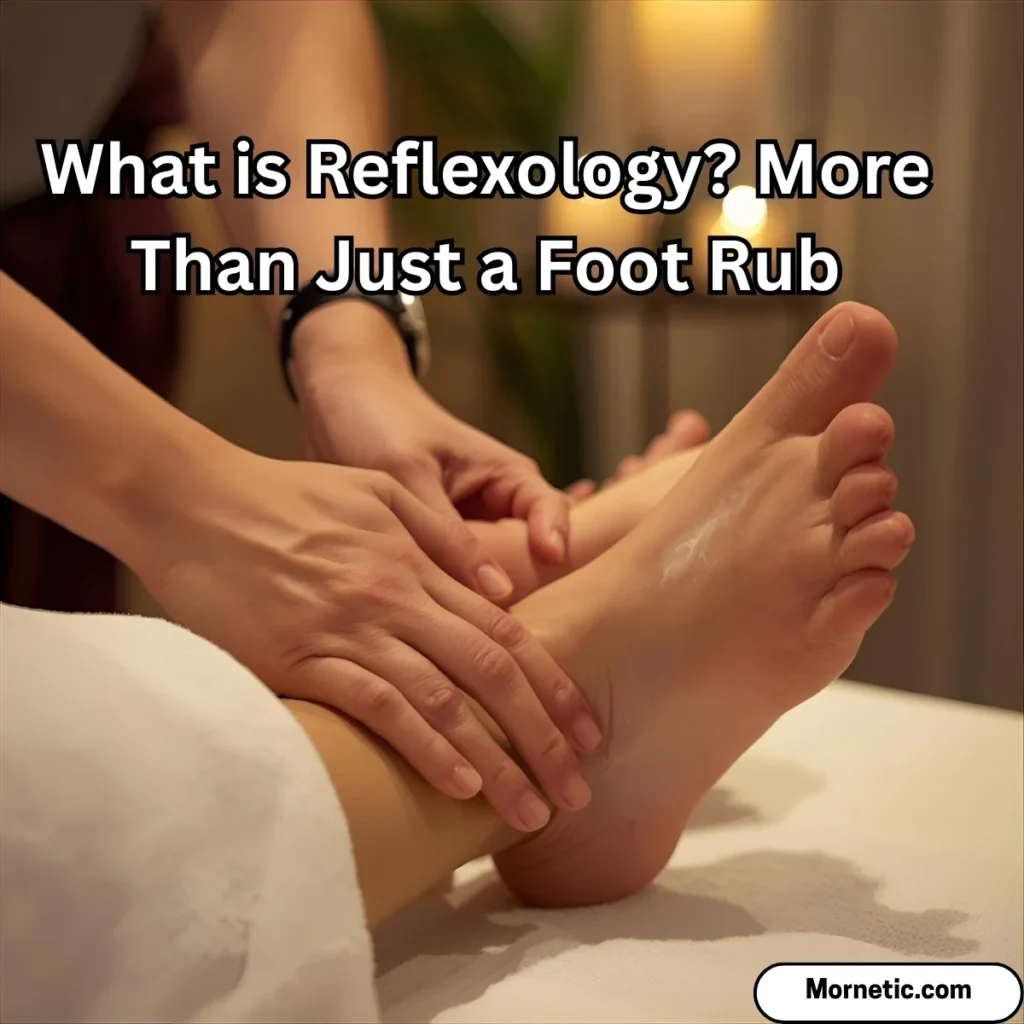
Let’s clear up a common misconception right away: reflexology is not merely a foot massage. While both are wonderfully relaxing, reflexology is a targeted practice based on a specific theory. It involves applying precise pressure to particular points on the feet, hands, and ears. Practitioners believe these points correspond to different organs, glands, and systems within the body—forming a kind of “micro-map” of your entire physiology. The fundamental principle is that by stimulating these reflex points, you can promote energy flow, encourage natural healing, and restore balance to the corresponding body area. Think of it as a targeted communication system, using the nervous system pathways to send calming, balancing signals throughout your body.
The Theory Behind the Practice: Zones and Reflex Points
Modern reflexology maps are detailed charts showing these connections. For example:
- The tips of the toes connect to the head and brain.
- The ball of the foot links to the heart and chest.
- The arch corresponds to the digestive organs.
- The heel area connects to the lower back and pelvic region.
The practice is often divided into ten longitudinal zones that run the length of the body from head to toe. The theory suggests that applying pressure in one zone on the foot can affect every organ and part of the body within that same zone. While Western science continues to research the exact mechanisms, the reported benefits by millions of people keep this ancient practice thriving.
Top Evidence-Based and Reported Benefits of Reflexology
Why do people seek out reflexology? The reasons are varied, but many report significant improvements in their well-being. Research and anecdotal evidence point to several key benefits:
- Profound Stress Reduction and Relaxation: This is the most universally reported benefit. The gentle, focused pressure appears to calm the nervous system, shifting the body from a “fight-or-flight” state to a “rest-and-digest” state. This can lead to lowered anxiety and an overall sense of deep peace.
- Improved Circulation: By stimulating the nerve pathways, reflexology may help improve blood flow throughout the body. Better circulation means more oxygen and nutrients delivered to cells and more efficient removal of metabolic waste.
- Pain Management: Many individuals use reflexology as a complementary therapy for managing pain, particularly headaches, migraines, and general musculoskeletal discomfort. The release of endorphins, the body’s natural painkillers, during a session is believed to play a role.
- Enhanced Sleep Quality: The deep relaxation induced by a session often translates into improved sleep patterns. Clients frequently report falling asleep easier and experiencing more restful sleep.
- Support for Digestive Function: By working on reflex points linked to the stomach, intestines, and liver, reflexology may help alleviate common issues like constipation and bloating, promoting better digestive regularity.
Reflexology vs. Foot Massage: Understanding the Key Difference
It’s crucial to distinguish between the two, as it affects your choice of practitioner and expected outcome.
- Foot Massage: Primarily focuses on the muscles and soft tissues of the feet and lower legs. The goal is to relieve local tension, ease soreness, and provide general relaxation. It’s a structural, tissue-based approach.
- Reflexology: Focuses on specific reflex points that correspond to broader body systems. The pressure is more targeted and precise, following a mapped system. The goal is to induce a systemic, whole-body response for internal balance and healing.
A great analogy: A foot massage is like working on a single engine component to make it run smoothly. Reflexology is like checking the car’s entire electrical wiring system to ensure optimal performance.
Who Can Benefit from Reflexology? (And Important Precautions)
Reflexology is generally considered safe for most people as a complementary therapy. It can be particularly beneficial for:
- Individuals experiencing high stress or anxiety.
- Those with desk jobs or who are on their feet all day.
- People dealing with chronic pain or headaches.
- Anyone seeking to improve their sleep quality.
- Those looking for a non-invasive way to support overall wellness.
Important Precautions: Always consult with your primary healthcare provider before beginning any new therapy, especially if you have:
- Foot injuries, ulcers, or contagious skin conditions (e.g., athlete’s foot).
- Gout or osteoporosis.
- A history of blood clots or deep vein thrombosis (DVT).
- Are in the first trimester of pregnancy. (Many reflexologists will avoid certain points during pregnancy.)
Your First Reflexology Session: A Step-by-Step Walkthrough
Knowing what to expect can make your first visit much more comfortable.
- The Consultation: A professional session always starts with a chat. Your reflexologist will ask about your health history, lifestyle, stress levels, and specific reasons for seeking treatment. This helps them tailor the session to your needs.
- Getting Comfortable: You’ll typically recline in a comfortable zero-gravity or massage chair. Only your shoes and socks are removed. You remain fully clothed.
- The Assessment: The practitioner may begin by gently examining your feet to note areas of tension, tenderness, or crystalline deposits under the skin.
- The Session: Using their fingers, thumbs, and sometimes specialized tools, they will apply firm, crawling pressure to specific points. They will work on both feet, often spending more time on areas that correspond to your discussed concerns. Communication is key—tell them if any pressure is too uncomfortable.
- Post-Session: After the session, you’ll have time to sit up slowly. The practitioner may share observations and recommend drinking plenty of water to help flush out any released toxins. It’s normal to feel extremely relaxed, slightly lightheaded, or even emotionally released. Some feel energized, while others need a quiet evening.
How to Choose a Qualified Reflexologist: Your Safety Checklist
This is the most critical part of your “reflexology near me” search. Not all practitioners have the same training. Here’s your vetting checklist:
- Check for Certification: Look for a practitioner who has completed a program from an accredited school. Key credentials to look for include Certified Reflexologist (CR) or Board Certified in Reflexology (BCR). In many regions, reflexology is a distinct, regulated profession.
- Verify Membership: Membership in a professional association, like the Reflexology Association of America (RAA) or its international/state equivalents, indicates a commitment to ethical standards and continuing education.
- Ask About Experience and Specialization: Inquire how long they’ve been practicing and if they have experience with your specific health goals (e.g., stress, digestive issues, palliative care).
- Prioritize Cleanliness and Professionalism: The studio or clinic should be immaculate. The practitioner should conduct a thorough health intake form and consultation.
- Trust Your Instincts: You should feel heard, respected, and comfortable. A professional reflexologist will never diagnose a medical condition, claim to cure diseases, or pressure you into a package of treatments.
Where to Look: Effective Strategies for Your “Reflexology Near Me” Search
- Professional Association Directories: Start with the gold standard. The Reflexology Association of America (RAA) website has a “Find a Practitioner” directory. Similar directories exist for other countries.
- Specialized Wellness Platforms: Websites like TherapyDirectory, Thumbtack, or Wellness.com often allow you to filter for certified reflexologists, read verified reviews, and compare profiles.
- Google Maps & Business Listings: Search “reflexology near me” or “certified reflexologist [Your City].” Read beyond the stars. Dig into reviews that mention specifics like “knowledgeable,” “professional intake,” “clean space,” and “tailored session.”
- Word-of-Mouth Referrals: Ask at local holistic health centers, yoga studios, or from friends who are into wellness. A personal recommendation is incredibly valuable.
- Clinic vs. Spa: Decide on the setting. A clinical or holistic health clinic may focus more on therapeutic outcomes. A high-end spa may focus more on the luxurious, relaxation aspect. Both can have excellent practitioners.
Maximizing the Benefits: What to Do Before and After Your Session
- Before: Avoid a heavy meal for 1-2 hours prior. Hydrate well. Wear comfortable, loose clothing. Arrive a few minutes early to settle in without rushing.
- After: Drink plenty of water to support your body’s natural processes. Avoid caffeine and alcohol for a few hours. If possible, schedule some quiet time to allow the relaxing effects to integrate. Listen to your body—you may need extra rest.
Supporting Your Wellness Journey at Home
While professional sessions are ideal, you can support your foot health and well-being between visits. Always consult with your reflexologist before trying any self-techniques.
- Self-Reflexology Basics: You can gently massage the web between your thumb and forefinger (a common stress point) or roll a golf ball under your foot for general stimulation.
- Supportive Products: Consider investing in a quality foot roller or a spiky massage ball. For daily comfort, ergonomic sandals or shoes with good arch support can make a world of difference for overall foot health. Using a moisturizing foot cream with natural ingredients like shea butter keeps the skin healthy, which is the canvas for reflexology work.
Frequently Asked Questions (FAQ) About Reflexology
Q: How often should I get reflexology?
A: For general wellness and stress management, once or twice a month is common. For addressing a specific issue, a practitioner might recommend a series of weekly sessions initially, tapering off as improvements are noted.
Q: Does reflexology hurt?
A: It should not be painful. You will feel firm, specific pressure that may produce a slight tenderness or a “good hurt” in areas corresponding to imbalance. Always communicate with your practitioner—pressure should be within your comfort zone.
Q: Is reflexology covered by health insurance?
A: Typically, no. Most health insurance plans do not cover reflexology as it is considered a complementary or alternative therapy. However, some Flexible Spending Accounts (FSAs) or Health Savings Accounts (HSAs) may allow it with a doctor’s recommendation. Always check with your provider.
Q: Can I get reflexology if I’m ticklish?
A: Yes! A trained reflexologist uses firm, deliberate pressure that is very different from a light, tickling touch. Most ticklish clients find they are not ticklish during a proper session.
Q: How long does a session last, and what is the average cost?
A: A standard session typically lasts between 45 to 60 minutes. Costs vary widely by location and practitioner expertise, but you can generally expect to pay between $60 to $120 per session.
Conclusion: Your Path to Balanced Well-Being Starts Here
Embarking on a reflexology journey is an investment in your holistic health. It’s a powerful tool for managing the stresses of modern life, tuning into your body’s signals, and promoting a profound sense of balance. By understanding what reflexology truly is, recognizing its potential benefits, and using our detailed checklist to find a qualified local practitioner, you can move beyond a simple “reflexology near me” search to a confident, informed decision. Your feet—and your entire well-being—will thank you for it.
We’d love to hear about your experiences! Have you tried reflexology? What tips would you share with someone looking for their first practitioner? Share your thoughts in the comments below to help our community learn and grow together.

Grace is a lifestyle writer from California who loves starting mornings with positivity. At Mornetic, she shares uplifting quotes and cheerful messages to brighten your day.