It’s sitting in your driveway or tucked away in the garage. Maybe it was your first car, a hand-me-down from a relative, or a spontaneous purchase that spoke to your soul. That old car is more than just a machine; it’s a repository of memories. But it also represents a looming question mark. Is it a hidden treasure or a money pit? Should you restore it, sell it, or simply enjoy it as it is?
Navigating the world of older automobiles can feel overwhelming. This comprehensive guide is designed to be your trusted roadmap. We’ll demystify the process, from assessing what you have to unlocking its full potential—whether that means financial gain, personal satisfaction, or a bit of both. Let’s turn that uncertainty into a clear, actionable plan for your old car.
What Exactly Do You Have? Identifying Your Old Car’s Story
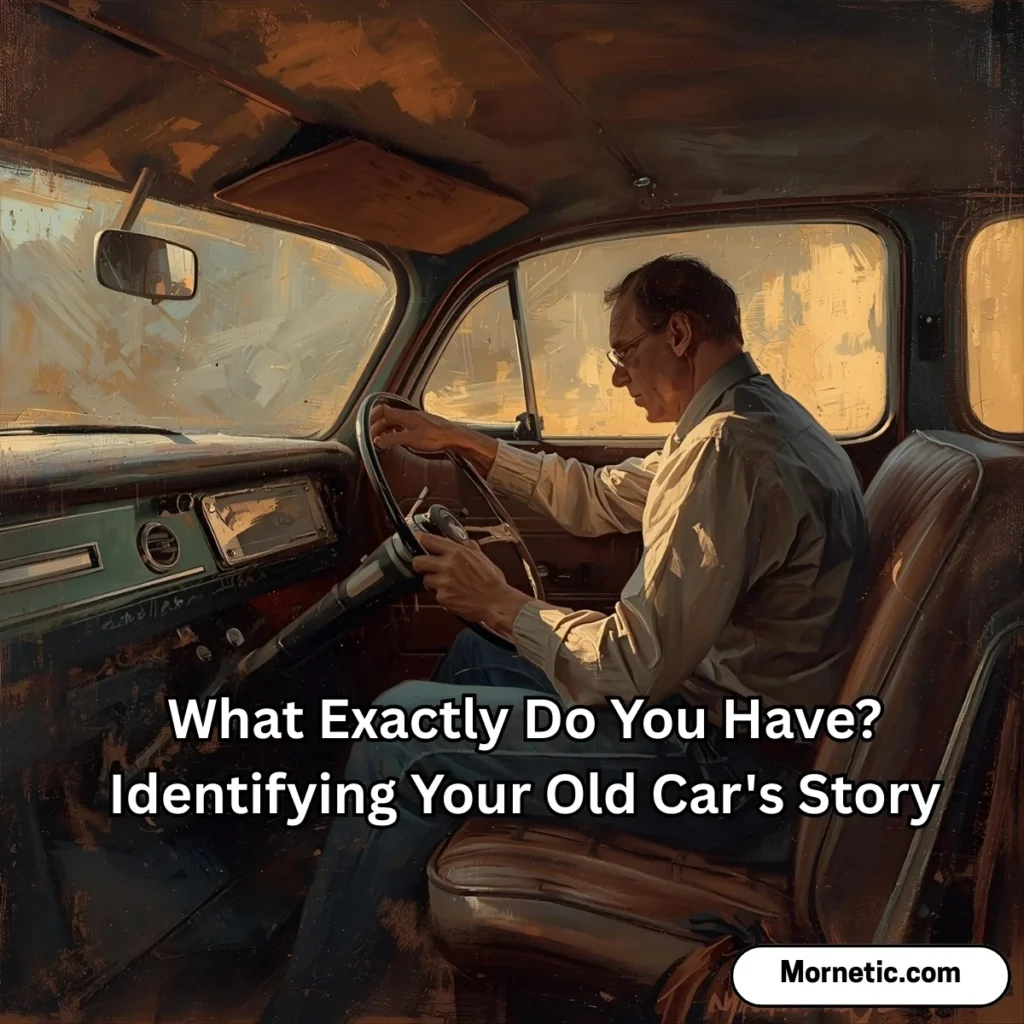
Before you do anything, you need to know what you’re working with. “Old” and “classic” are not interchangeable terms.
- Beater/Daily Driver: A high-mileage, older car used primarily for basic transportation. Its value is purely functional.
- Used Car: A vehicle that’s a few years old but still modern in its features and reliability. It’s not yet considered a classic.
- Classic Car: Generally, a car that is over 20 years old and is historically interesting or desirable. The definition can vary by insurer and club (like the Classic Car Club of America).
- Antique Car: In most states, this is a legal designation for a car that is 45 years or older.
- Vintage Car: This term often refers to cars built between 1919 and 1930, though it’s sometimes used more loosely.
- Survivor: An old car that retains most of its original parts, paint, and interior. Its value lies in its untouched state.
- Project Car: A vehicle that requires significant work to be restored or made roadworthy.
Action Step: Find your Vehicle Identification Number (VIN). A free VIN decoder can tell you the year, make, model, factory engine, and place of manufacture, giving you a solid foundation of facts.
The Allure of Old Cars: Why We Fall in Love
Why do we dedicate so much time, money, and passion to these aging machines? The reasons are as varied as the cars themselves.
- Design and Craftsmanship: From sweeping tailfins to elegant wood-and-leather interiors, older cars possess a character and artistry often absent in today’s homogenized designs.
- A Simpler Mechanical World: For the hobbyist, the appeal of a carburetor and a distributor is the ability to understand and fix things with your own hands, without needing a supercomputer for diagnosis.
- Nostalgia and Connection: An old car can be a time machine, evoking memories of a specific era, a personal milestone, or a connection to a family member.
- The Thrill of the Hunt: Searching for a rare part or the perfect model is a rewarding adventure for many enthusiasts.
Your First Step: A Realistic Condition Assessment

Honesty is your most valuable tool. Grab a notepad and a flashlight, and conduct a thorough evaluation.
- Body and Frame: Check for rust (the ultimate enemy), especially in wheel wells, rocker panels, and floorboards. Look for signs of previous accident damage.
- Interior: Is the upholstery torn? Is the dashboard cracked? Do all the gauges and switches work?
- Engine Bay: Look for oil leaks, cracked belts, and corroded wires. Does it start easily? Listen for unusual noises.
- Undercarriage: Get down and look. Check for structural rust, exhaust condition, and fluid leaks.
Rate your car’s condition on a scale of 1 to 5: (1) Parts Car, (2) Major Project, (3) Driver-Quality, (4) Very Good, (5) Concours (show-winning). This will directly impact its value and the path you choose.
The Financial Blueprint: Budgeting for Your Old Car
The golden rule of the hobby: Your initial purchase price is just the entry fee. Whether you’re buying or already own one, create a realistic budget.
- Initial Purchase/Value: What is the car’s current market value? Use resources like Hemmings Motor News, Bring a Trailer, and Classic.com to research recent sales of comparable models.
- Immediate Needs (The “Get It Safe” Fund): Tires, brakes, and critical fluid changes. This is non-negotiable for any car that will see the road.
- Deferred Maintenance: Timing belts, hoses, suspension bushings—these wear items will likely need attention.
- The “While You’re In There” Tax: This is the budget-killer. When you replace the water pump, you’ll see the radiator is corroded. Factor in a 15-20% contingency for these surprise discoveries.
- Ongoing Costs: Insurance, registration, storage, and fuel.
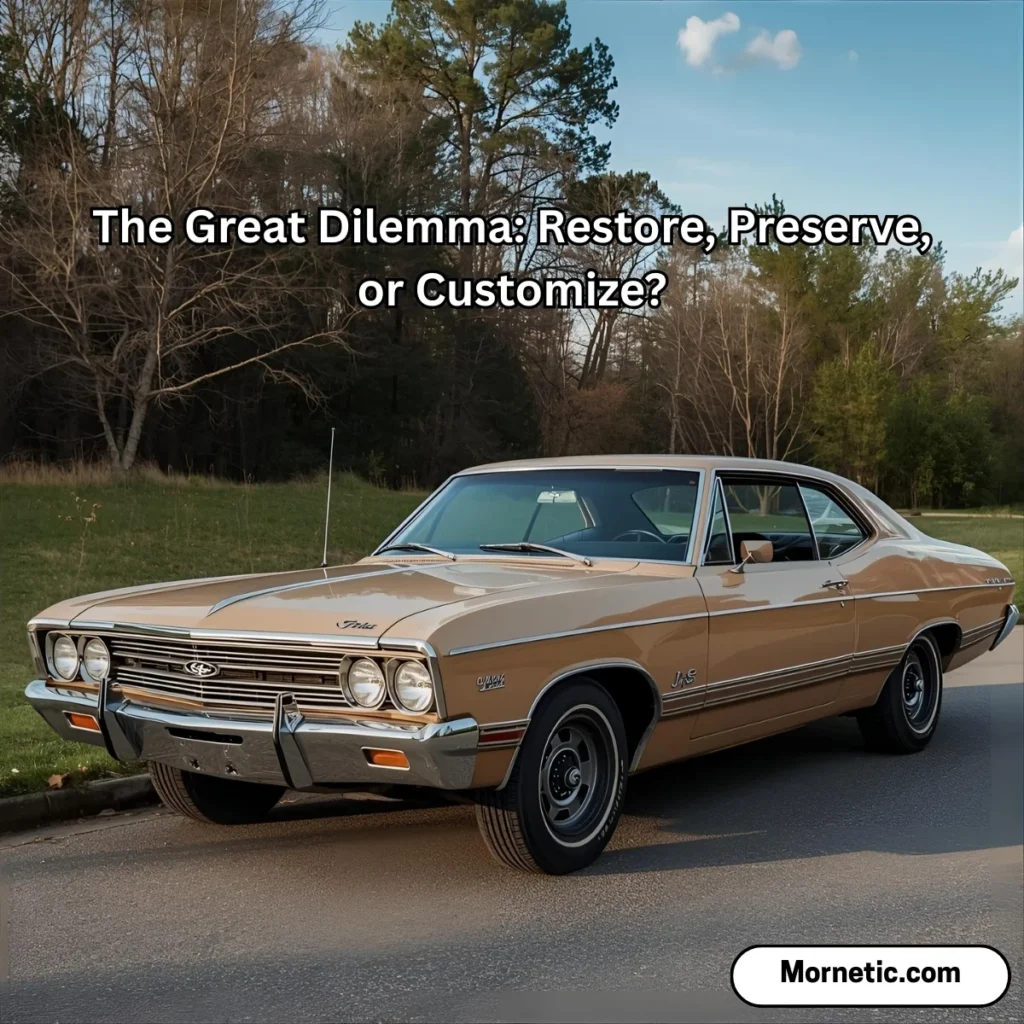
The Great Dilemma: Restore, Preserve, or Customize?

This is a deeply personal choice that hinges on your goals, budget, and the car’s originality.
- Preservation (for Survivors): If your old car is largely original and in good condition, the best course is often to preserve it. Focus on mechanical maintenance and gentle cleaning. A preserved car with a documented history can be incredibly valuable.
- Restoration (for Project Cars): Returning the car to its factory-fresh condition. This is the most expensive and time-consuming path but can yield stunning results and high value if done correctly.
- Resto-Mod (The Best of Both Worlds?): This involves updating the car’s performance and reliability with modern components (e.g., fuel injection, disc brakes, updated suspension) while retaining the classic exterior look. This is a popular choice for cars that will be driven regularly.
- Customization: Making the car a personal expression. This can range from mild aesthetic changes to a full-blown hot rod. Be aware that heavy customization can limit your potential buyer pool if you decide to sell later.
Essential Maintenance for an Old Car
Proper maintenance is the key to longevity and enjoyment. Here are the basics every owner should know.
- Fluids are Its Lifeblood: Change the oil, coolant, brake fluid, and transmission fluid more frequently than you would in a modern car. Old seals and contaminants are a constant battle.
- The Fuel System: Modern ethanol-blended fuel can wreak havoc on old rubber hoses and carburetor components. Consider using a fuel stabilizer or an ethanol-free premium fuel if available.
- Tires Matter: Even if the tread looks good, tires over six years old can have dry-rotted and cracked sidewalls, posing a safety hazard.
- The Electrical System: Corroded connections and worn-out grounds are the source of most electrical gremlins. A multimeter is your best friend.
Sourcing Parts: A Treasure Hunter’s Guide
Finding parts for your old car is part of the adventure.
- Specialty Reproduction Companies: For popular models (e.g., Mustangs, Camaros, VW Beetles), there are entire catalogs dedicated to reproducing every nut, bolt, and piece of trim.
- Salvage Yards and Part-Outs: A great source for original, hard-to-find parts. Online forums and eBay are modern-day salvage yards.
- New Old Stock (NOS): These are genuine factory parts that have been sitting on a shelf for decades. They are the holy grail for purists but can be expensive.
The Digital Garage: Old Cars in the Modern Age
The internet has revolutionized this hobby. You are not alone in your garage anymore.
- Online Forums and Communities: Model-specific forums are invaluable. Whatever problem you’re facing, someone else has already solved it and documented the process.
- Video Tutorials: Platforms like YouTube have countless detailed videos on everything from rebuilding a carburetor to replacing a clutch.
- Digital Manuals and Wiring Diagrams: Often available as PDFs, these make troubleshooting easier than ever.
To Sell or Not to Sell? Maximizing Your Return
If you decide to part with your old car, a little preparation can dramatically increase its selling price.
- Documentation is King: Gather all repair receipts, old photos, and the car’s history. A documented car is a trusted car.
- A Good Cleaning is a High-ROI Activity: A professional-quality detail, inside and out, can make a car look cared for and justify a higher asking price.
- Set a Realistic Price: Research the market thoroughly. Price it too high, and it will languish; too low, and you leave money on the table.
- Choose Your Marketplace: Local classifieds, specialized online auctions like Bring a Trailer, or enthusiast forums are all viable options, each with its own audience and fee structure.
The Joy of the Drive: Beyond the Garage
An old car is meant to be enjoyed. Don’t let it become a static museum piece.
- Local Car Shows and Cruise-Ins: These are low-pressure events perfect for meeting fellow enthusiasts and showing off your pride and joy.
- Rallyes and Tours: Many clubs organize scenic drives, offering a chance to enjoy your car on the open road.
Common Pitfalls Every Old Car Owner Should Avoid
Learn from the mistakes of others.
- Underestimating Costs and Time: The project will always take twice as long and cost twice as much as your most pessimistic estimate.
- Starting With a Rusty Foundation: A solid body is more important than a shiny paint job. Rust repair is the most expensive and skilled aspect of restoration.
- “It Ran When Parked”: This famous phrase is almost always a red flag. Engines and fuel systems do not improve with decades of sitting.
- Going It Alone: The community is your greatest resource. Don’t be afraid to ask for help.
A Case Study: The $5,000 Classic – Dream or Nightmare?
Let’s be realistic. Can you find a fun, drivable old car on a modest budget? Yes, but you must be strategic. In today’s market, a $5,000 budget might point you toward a 1980s or 90s “modern classic”—a car that is now old enough to be interesting but not so old that parts are unobtainable. Think along the lines of a Mazda Miata, Ford Fox-Body Mustang, or a Jeep Cherokee (XJ). These cars offer a fantastic blend of simplicity, available parts, and driving fun without a six-figure investment.
The Future is Old: Sustainability and Old Cars
In an era of disposable goods, maintaining an old car is a powerful act of sustainability. Keeping a vehicle on the road for decades is the ultimate form of recycling. The “embedded energy”—the total energy required to produce the car—is already spent. By preserving and maintaining it, you are preventing waste and conserving resources far more effectively than frequently trading in for a new model.
Frequently Asked Questions (FAQ)
Q1: What is considered a classic car for insurance purposes?
A: Most specialty insurers consider a car a “classic” if it is at least 15-20 years old, though some require it to be 25 years. The key criteria are that it is not used as a primary daily driver and is maintained for hobby or exhibition purposes.
Q2: How often should I start my old car if I’m not driving it regularly?
A: Ideally, you should start it and let it reach full operating temperature at least once every two weeks. Simply idling in the garage isn’t sufficient; a short, gentle drive is best to circulate all fluids and keep seals lubricated.
Q3: Are old cars safe to drive on modern highways?
A: This requires careful consideration. Most lack modern safety features like airbags, anti-lock brakes, and crumple zones. It’s crucial to ensure the car is in peak mechanical condition—especially brakes, tires, and steering. Defensive driving is paramount. A resto-mod with updated brakes and suspension can significantly improve safety.
Q4: What is the single most important maintenance task for a car that sits for long periods?
A: Protecting it from fuel degradation. Using a fuel stabilizer and keeping the gas tank full to prevent condensation is critical. Old, varnished fuel from a neglected tank can clog the entire fuel system, leading to a very expensive repair.
Q5: Can I make money flipping old cars?
A: It is possible, but it’s not a get-rich-quick scheme. Profit comes from a combination of a good initial purchase, a sharp eye for what needs to be done, and your own skilled, low-cost labor. The “sweat equity” is where the real profit lies. It’s best approached as a passionate hobby that might pay for itself, rather than a primary business.
Conclusion: Your Journey Awaits
Your old car is a canvas for your passion, a test of your skill, and a link to our shared automotive heritage. Whether you see it as a financial investment or an investment in joy, the journey is what matters most. It will teach you patience, problem-solving, and the satisfaction of a job done with your own hands.
So, what’s the next step for you and your old car? Will you join a club, start a repair, or plan a road trip? Share your story and your project in the comments below—we’d love to hear what makes your classic unique!

Grace is a lifestyle writer from California who loves starting mornings with positivity. At Mornetic, she shares uplifting quotes and cheerful messages to brighten your day.