
Last Updated: March 14, 2026
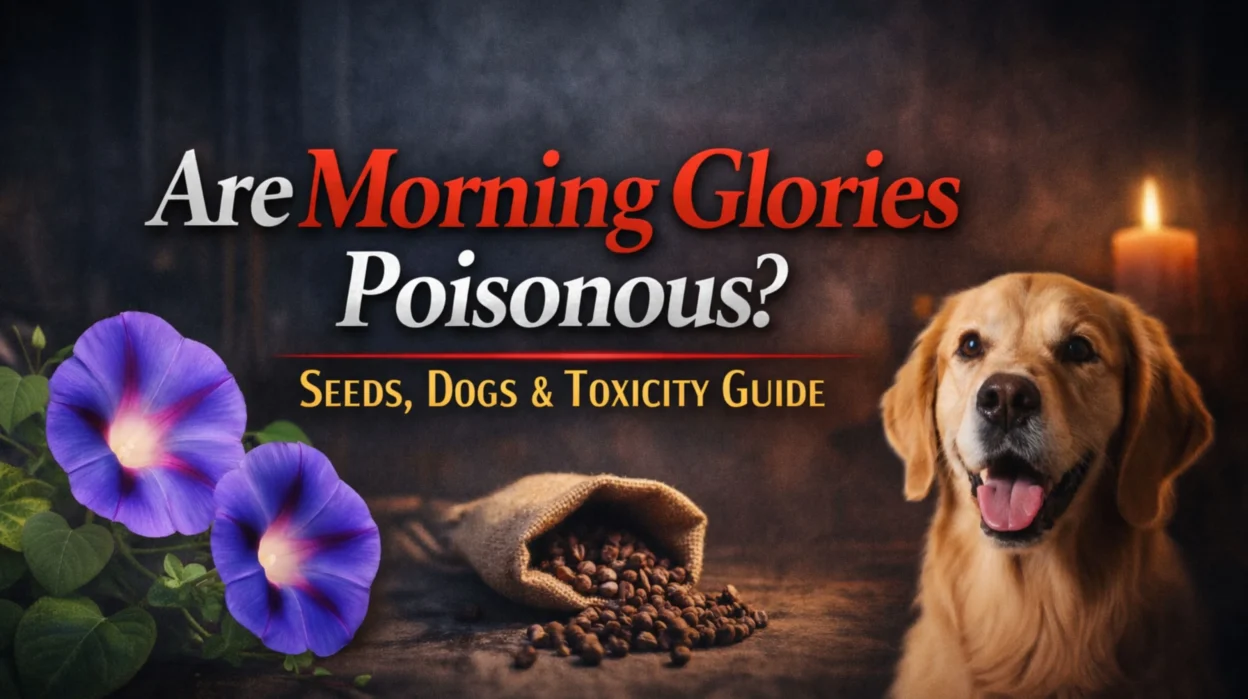
The bright, trumpet-shaped flowers of morning glories are a favorite in many gardens. These fast-growing climbing vines can quickly cover fences, trellises, and walls with vibrant blooms that open beautifully in the morning sun. However, many gardeners and pet owners often ask an important question: are morning glories poisonous?
The answer is yes—morning glories can be poisonous, particularly the seeds. Morning glory seeds contain natural compounds called ergoline alkaloids, which may cause toxic effects if ingested in large amounts. While the flowers and leaves usually pose minimal risk, the seeds are considered the most dangerous part of the plant.
In this comprehensive guide, we’ll explain morning glory toxicity, the risks to humans, dogs, and cats, common poisoning symptoms, and practical safety tips for gardeners. By understanding the potential dangers, you can still enjoy growing these beautiful vines while keeping your family and pets safe.
Are Morning Glories Poisonous?
Yes, morning glories can be poisonous, particularly the seeds. Morning glory seeds contain ergoline alkaloids such as lysergic acid amide (LSA), which can affect the nervous system if ingested in large quantities. While the flowers and leaves usually pose a very low risk, the seeds are considered toxic to humans, dogs, and cats when consumed in significant amounts.
What Makes Morning Glories Potentially Toxic?
To understand the risk, we need to look at the chemistry of the morning glory plant. The primary concern lies not in the beautiful flowers or the leaves, but within the seeds.
- The Culprit: Ergoline Alkaloids. These are naturally occurring compounds that can have potent effects on the central nervous system.
- The Most Notable Alkaloid: Lysergic Acid Amide (LSA). LSA is chemically similar to LSD (lysergic acid diethylamide), though it is significantly less potent.
- Bodily Effects: When a significant number of seeds are ingested, these alkaloids can cause a range of unpleasant and sometimes dangerous neurological and gastrointestinal symptoms.
It is crucial to note that the concentration of these alkaloids can vary widely between different morning glory species and even between individual plants.
Are Morning Glory Seeds Poisonous?
Yes, morning glory seeds are poisonous when eaten in large quantities. The seeds contain ergoline alkaloids that can cause neurological and digestive symptoms. These compounds are most concentrated in the seeds, making them the most dangerous part of the plant.
Accidental ingestion by children or pets can lead to symptoms such as nausea, vomiting, dizziness, and confusion. For this reason, gardeners should take extra care to remove seed pods before they mature and scatter seeds in the garden.
How Many Morning Glory Seeds Are Toxic?
There is no exact number of morning glory seeds that are considered toxic, as the effects depend on factors such as body weight, sensitivity, and the specific plant variety. However, ingesting a handful of seeds can potentially cause noticeable symptoms in humans or animals.
For small children or pets, even a smaller number of seeds could lead to adverse effects. Because of this uncertainty, any ingestion of morning glory seeds should be treated with caution and monitored closely.
Identifying Toxic Parts of the Morning Glory Plant
Not all parts of the plant carry the same level of risk. Let’s break down the toxicity from highest to lowest concern.
- Seeds (High Risk): 🚫 This is the unequivocal danger zone. Containing the highest concentration of ergoline alkaloids, the seeds are the primary cause of poisoning cases. Ingesting a large handful can lead to serious symptoms.
- Leaves and Stems (Low Risk): 🍃 While they contain trace amounts of the same alkaloids, the concentration is typically so low that ingestion of a small amount of leaf or stem is unlikely to cause more than minor stomach upset in most humans or animals.
- Flowers (Very Low Risk): 🌸 The beautiful blooms themselves are generally considered non-toxic. There are no well-documented cases of poisoning from ingesting the flowers alone.
| Plant Part | Toxic Level |
|---|---|
| Seeds | High |
| Leaves | Low |
| Flowers | Very Low |
Symptoms of Morning Glory Poisoning in Humans
Morning Glory Seeds Poisoning Symptoms
When a significant number of seeds are consumed, morning glory seed poisoning symptoms may appear within a few hours.
Common symptoms include:
- Nausea
- Vomiting
- Diarrhea
- Stomach cramps
- Dizziness
- Dilated pupils
More severe cases may involve:
- Hallucinations
- Confusion
- Increased heart rate
- Agitation
- Difficulty breathing
If these symptoms occur after ingesting seeds, medical attention should be sought immediately.
Accidental ingestion, often by young children who are drawn to the small, dark seeds, or intentional misuse by teenagers and adults seeking psychoactive effects, can lead to poisoning. Recognizing the symptoms is the first step in seeking appropriate care.
Mild to Moderate Symptoms may include:
- Nausea and vomiting
- Diarrhea and abdominal cramps
- Headaches and dizziness
- Dilated pupils and blurred vision
- Drowsiness or lethargy
Severe Symptoms (requiring immediate medical attention) may include:
- Hallucinations and confusion
- Significantly increased heart rate
- Difficulty breathing
- Loss of coordination or muscle control
- Profuse sweating and agitation
👉 If you suspect someone has ingested a large quantity of morning glory seeds, call the Poison Control Center (1-800-222-1222) or seek emergency medical help immediately.
The Danger to Pets: Dogs, Cats, and Beyond
Our furry companions are often curious and may nibble on plants in the garden. Understanding the specific risks to pets is a critical part of responsible pet ownership.
Are Morning Glories Poisonous to Dogs? 🐕
Yes, dogs are at risk. The seeds are the primary concern, but some dogs may also chew on the vines. Symptoms in dogs are similar to those in humans and can include:
- Vomiting
- Diarrhea
- Lethargy or agitation
- Loss of appetite
- Incoordination
Are Morning Glories Poisonous to Cats? 🐈
Cats are also susceptible. Due to their smaller size, it may take a lower dose to cause symptoms. Be on the lookout for:
- Drooling
- Vomiting
- Diarrhea
- Dilated pupils
- Unusual behavior
What About Other Animals?
Horses, livestock, and even birds can be affected if they consume large quantities of morning glory plants or seeds. It’s best to prevent access to these plants in pastures and enclosures.
🚨 If you suspect your pet has ingested morning glory seeds or a large amount of the plant, contact your veterinarian or the ASPCA Animal Poison Control Center (888-426-4435) right away.
Are Morning Glories Poisonous to Cats?
Yes, morning glories can be poisonous to cats, especially if they ingest the seeds. Because cats are smaller animals, even a small amount of seeds could potentially lead to symptoms.
Possible symptoms in cats include:
- Vomiting
- Drooling
- Diarrhea
- Dilated pupils
- Unusual behavior
Pet owners should prevent cats from accessing morning glory plants and immediately contact a veterinarian if ingestion is suspected.
Morning Glory Seeds Poisoning Symptoms
When a significant number of seeds are consumed, morning glory seed poisoning symptoms may appear within a few hours.
Common symptoms include:
- Nausea
- Vomiting
- Diarrhea
- Stomach cramps
- Dizziness
- Dilated pupils
More severe cases may involve:
- Hallucinations
- Confusion
- Increased heart rate
- Agitation
- Difficulty breathing
If these symptoms occur after ingesting seeds, medical attention should be sought immediately.
Debunking Common Myths About Morning Glory Toxicity
There’s a lot of misinformation online. Let’s set the record straight on a few common myths.
- Myth 1: “All Morning Glories are Equally Toxic.” Fact: Toxicity varies. The Heavenly Blue variety (Ipomoea tricolor) is known to have higher alkaloid concentrations, while common varieties like Ipomoea purpurea may have lower levels.
- Myth 2: “Touching the Plant is Dangerous.” Fact: The alkaloids are not effectively absorbed through the skin. Simply handling the plants, flowers, or seeds during gardening will not cause poisoning. Always wash your hands after gardening as a general best practice.
- Myth 3: “The Vines are as Dangerous as the Seeds.” Fact: As established, the seeds are the real hazard. While it’s not recommended to eat the vines, accidental ingestion of a small piece is highly unlikely to cause issues.
Proactive Prevention: 8 Safety Tips for Pet and Child-Friendly Gardens
The best treatment is always prevention. With a few smart strategies, you can enjoy your morning glories with complete peace of mind.
- 📍 Strategic Planting: Plant morning glories in areas that are less accessible to children and pets, such as on a high trellis or a fenced section of the yard.
- 🧹 Seed Pod Vigilance: As flowers fade, they form seed pods. Regularly deadhead (remove) spent blooms before these pods have a chance to dry and burst open.
- 🗑️ Proper Disposal: When deadheading or at the end of the season, dispose of seed pods and plant material in a sealed trash bag, not in a compost pile where pets or wildlife might access them.
- 👩🌾 Supervise Playtime: Always supervise young children and pets when they are in the garden, especially near any plants of concern.
- 📚 Education is Key: Teach older children that not all plants are safe to eat and that they should never put any part of a plant in their mouth without asking an adult.
- 🌱 Consider Alternatives: If you have a particularly curious pet or toddler, consider planting non-toxic climbing alternatives like nasturtiums, black-eyed Susans, or sweet peas.
- 🧤 Use Gardening Gloves: While dermal absorption isn’t a risk, wearing gloves is a good general habit to protect your hands from sap and soil.
- 📞 Keep Emergency Numbers Handy: Save the numbers for Poison Control (1-800-222-1222) and your vet in your phone and post them on the refrigerator.
What to Do in Case of Accidental Ingestion
Despite our best efforts, accidents can happen. Stay calm and follow these steps.
For Humans:
- Assess the Situation: Determine what was ingested (seeds vs. leaves) and approximately how much.
- Do Not Induce Vomiting unless instructed to do so by a medical professional.
- Call for Help: Immediately call the Poison Control helpline at 1-800-222-1222. They will provide specific, expert instructions.
- Go to the ER: If the person is experiencing severe symptoms like hallucinations or trouble breathing, call 911 or go to the nearest emergency room.
For Pets:
- Remove Your Pet: Gently move your pet away from the plant to prevent further ingestion.
- Identify the Plant: Take a sample or a photo of the plant to show your veterinarian.
- Call Your Vet or Animal Poison Control: Contact your veterinarian or the ASPCA Animal Poison Control Center (888-426-4435) immediately. Be ready to describe your pet’s weight, symptoms, and the approximate amount ingested.
Morning Glory Benefits and Side Effects
Morning glories are popular garden plants because of their fast growth and vibrant flowers. They are commonly used to decorate fences, trellises, and garden walls.
Benefits include:
- Beautiful ornamental flowers
- Attract pollinators like bees and butterflies
- Fast-growing climbing vine
Possible side effects include:
- Toxic seeds if ingested
- Nausea and vomiting
- Hallucinations from alkaloids
- Digestive discomfort
Understanding both the benefits and side effects of morning glories allows gardeners to enjoy them responsibly.
Beautiful & Safe Alternatives to Morning Glories
If the potential risk outweighs the reward for your household, there are many stunning, non-toxic vines you can grow with absolute confidence.
- Cypress Vine (Ipomoea quamoclit): A close, delicate relative often considered safer, though caution is still advised.
- Black-Eyed Susan Vine (Thunbergia alata): A cheerful vine with orange, yellow, or white flowers and a dark center. ✅ Non-toxic.
- Clematis (Clematis spp.): While some species can cause mouth irritation, they are not considered systemically poisonous like morning glory seeds.
- Trumpet Honeysuckle (Lonicera sempervirens): A native vine with gorgeous red, tubular flowers that attract hummingbirds. ✅ Non-toxic.
- Sweet Pea (Lathyrus odoratus): Note: Ornamental sweet peas are not edible, but they are also not considered highly toxic like their relative, the perennial sweet pea.
The Historical and Cultural Context of Morning Glories
Morning glories have a rich history beyond the garden fence. In many cultures, they are simply celebrated for their beauty and their symbolic meaning of affection and love.
- Traditional Medicine: Some cultures have used morning glories in very controlled, traditional medicine for their purgative properties. This historical use underscores the plant’s potent biological activity and should not be attempted at home.
- Entheogenic Use: Certain species, like Ipomoea tricolor (Heavenly Blue), have been used by indigenous cultures in religious and spiritual rituals for their psychoactive properties due to the LSA content. This modern misuse is dangerous and illegal.
Key Takeaways for the Responsible Gardener
Let’s distill this wealth of information into a few core principles.
- The seeds are the problem. The flowers, leaves, and stems pose a very low risk.
- The primary danger is ingestion. Handling the plant is safe.
- Prevention is simple and effective. Deadhead flowers and be mindful of where you plant.
- Knowledge dispels fear. Understanding the real risks allows you to garden confidently and safely.
Frequently Asked Questions (FAQ)
Are morning glories poisonous to humans?
Yes, morning glories can be poisonous to humans, especially if the seeds are ingested. The seeds contain ergoline alkaloids such as LSA, which may affect the nervous system and cause symptoms like nausea, vomiting, dizziness, and hallucinations when consumed in large amounts.
Are morning glory seeds poisonous?
Yes, morning glory seeds are considered the most toxic part of the plant. They contain compounds that can cause gastrointestinal and neurological symptoms if ingested in significant quantities.
How many morning glory seeds are toxic?
There is no exact number of morning glory seeds that are considered toxic, because the effects depend on body weight, plant variety, and individual sensitivity. However, ingesting a handful of seeds could cause noticeable symptoms, especially in children or pets.
Are morning glories poisonous to dogs?
Yes, morning glories can be poisonous to dogs, particularly the seeds. If a dog eats morning glory seeds, symptoms may include vomiting, diarrhea, lethargy, and loss of coordination. Pet owners should contact a veterinarian if ingestion is suspected.
Are morning glories poisonous to cats?
Yes, morning glories may also be toxic to cats. Cats that ingest the seeds could experience drooling, vomiting, dilated pupils, and unusual behavior. Immediate veterinary advice is recommended if a cat consumes the plant.
Is morning glory poisonous to touch?
No, morning glories are not poisonous to touch. The toxic compounds are primarily harmful when ingested. Handling the plant while gardening is generally safe, though washing your hands afterward is always recommended.
What are the symptoms of morning glory seed poisoning?
Common morning glory poisoning symptoms include:
- Nausea
- Vomiting
- Diarrhea
- Abdominal cramps
- Dizziness
- Dilated pupils
In severe cases, hallucinations, confusion, and increased heart rate may occur.
My dog ate morning glory leaves. Should I be worried?
Eating a small number of leaves may only cause mild stomach upset. However, if your dog shows symptoms such as vomiting, diarrhea, lethargy, or unusual behavior, contact your veterinarian immediately.
Conclusion
So, are morning glories poisonous? The answer is yes—but mainly when the seeds are ingested. Morning glory seeds contain natural compounds that can cause toxic effects if consumed in significant amounts. The flowers, leaves, and stems generally pose a much lower risk, but gardeners should still take basic precautions, especially in homes with children or curious pets.
Understanding morning glory toxicity helps you make informed gardening decisions. By removing seed pods, supervising pets and children, and planting these vines in less accessible areas, you can greatly reduce the chances of accidental ingestion.
Morning glories remain one of the most beautiful and fast-growing climbing plants for gardens. With the right awareness and simple safety steps, you can enjoy their stunning blooms while keeping your household safe.

Grace is a lifestyle writer from California who loves starting mornings with positivity. At Mornetic, she shares uplifting quotes and cheerful messages to brighten your day.