
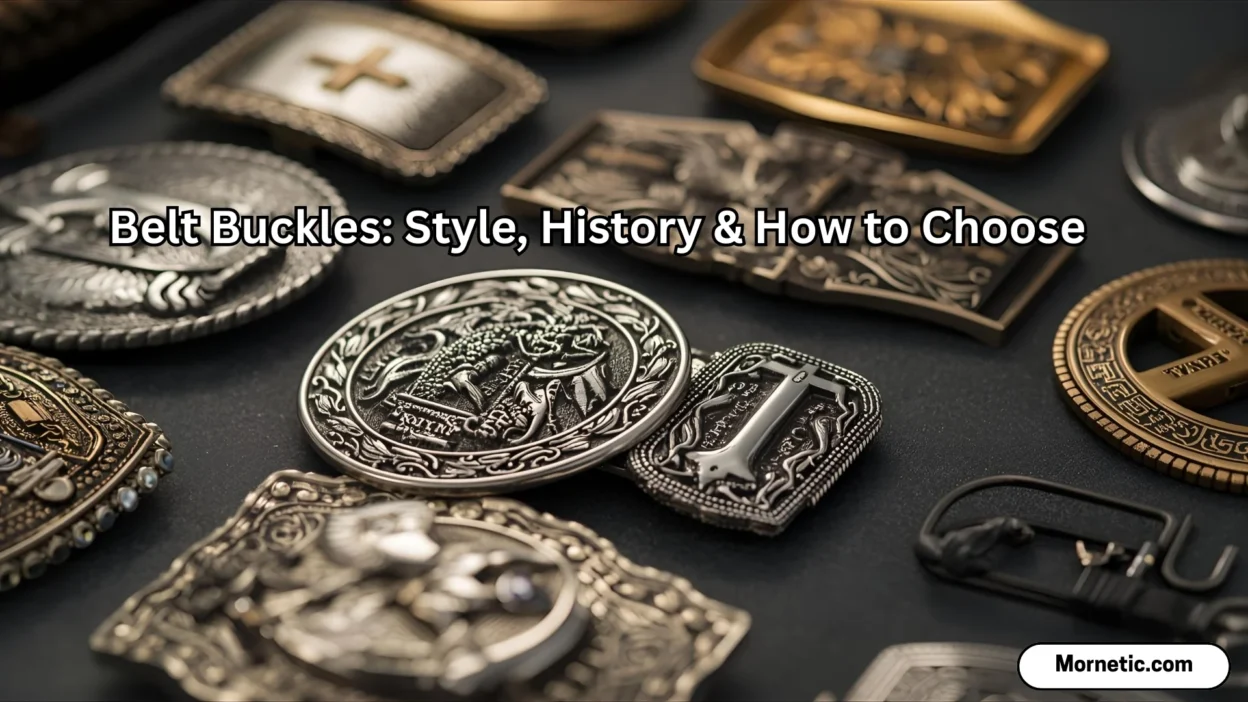
Have you ever put on a great outfit, only to feel like something small was missing? Or perhaps you’ve fumbled with a flimsy belt clasp that just won’t stay put. Often, the most overlooked accessory—the humble belt buckle—holds the power to solve both problems. More than just a functional fastener, a belt buckle is a statement piece, a pocket-sized canvas for personality, and a fascinating artifact of history and craft.
Whether you’re looking to upgrade your daily wear, understand the heirloom piece in your drawer, or find the perfect personalized gift, this guide will walk you through everything you need to know. From the forge of ancient blacksmiths to the latest trends in personalization, let’s explore the world of belt buckles.
What is a Belt Buckle? More Than Meets the Eye
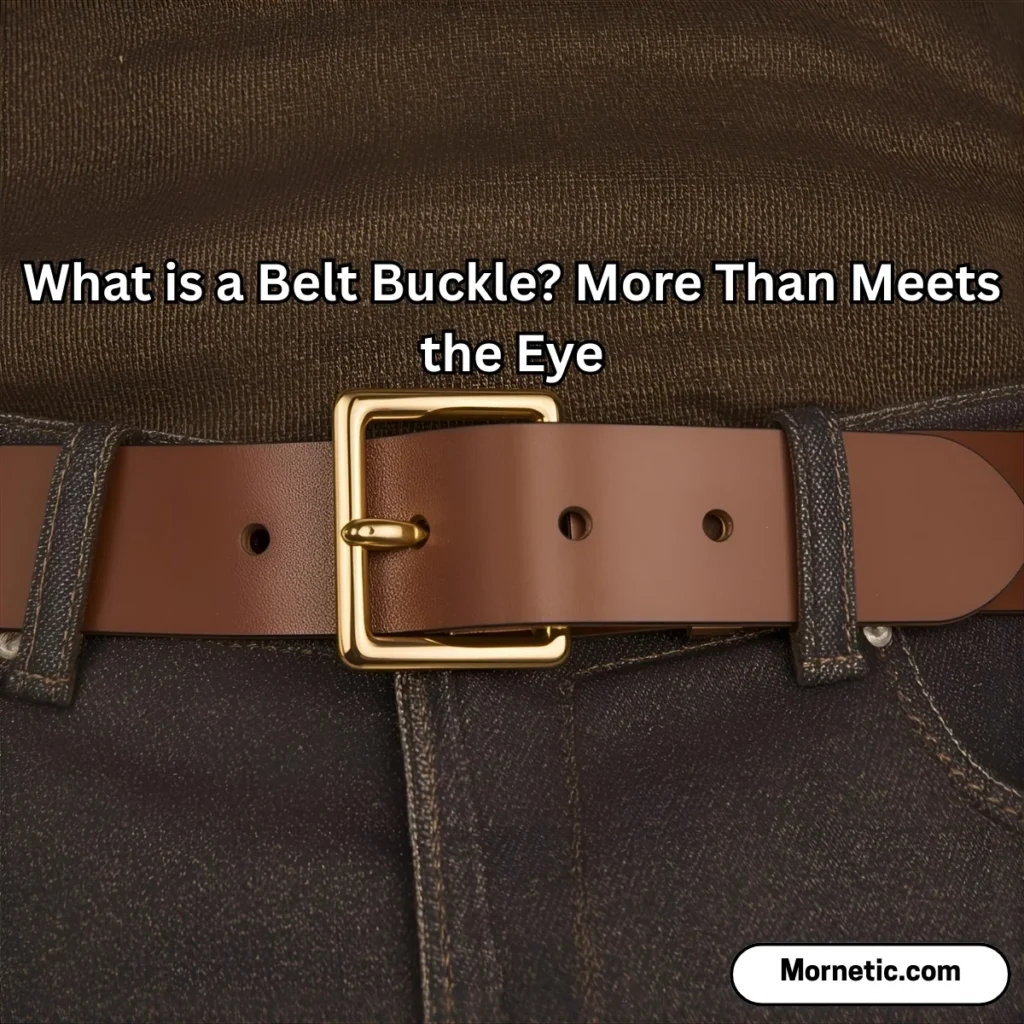
At its core, a belt buckle is a device used to fasten the two ends of a belt, typically consisting of a frame, a bar, and a prong. But to define it merely by its function is to miss the point entirely. Throughout history, it has served as a status symbol, a military identifier, a piece of folk art, and a key component of personal style. It sits at the center of your silhouette, subtly drawing the eye and offering a chance to express individuality.
A Brief History of the Belt Buckle: From Utility to Icon
The history of the belt buckle is a mirror to human civilization. Early versions date back to the Bronze Age, with simple loops and hooks made from bone, wood, or metal. The Romans used ornate buckles on their military belts (cingulum) to denote rank. In the Middle Ages, buckles became more elaborate, often crafted from precious metals and adorned with gems for the nobility.
The buckle truly found its iconic forms in the 19th century. The expansion of the American West gave birth to the large, decorative Western belt buckle, often awarded as rodeo trophies. The industrial revolution standardized the modern “prong and bar” buckle. Each era’s needs—cavalry, industrialization, fashion—shaped its design, leaving us with the rich variety we see today.
Anatomy of a Belt Buckle: Know Your Parts
Understanding the components helps you make better choices:
- Frame: The main outer structure that holds the belt loop.
- Bar: The central pin or axle the belt wraps around.
- Prong (or Tang): The metal piece that pokes through the belt holes.
- Chape (or Keeper Loop): The small loop on the back that secures the belt end.
- Plate: The decorative front surface, which can be stamped, cast, engraved, or inlaid.
Types of Belt Buckles: Finding Your Fit
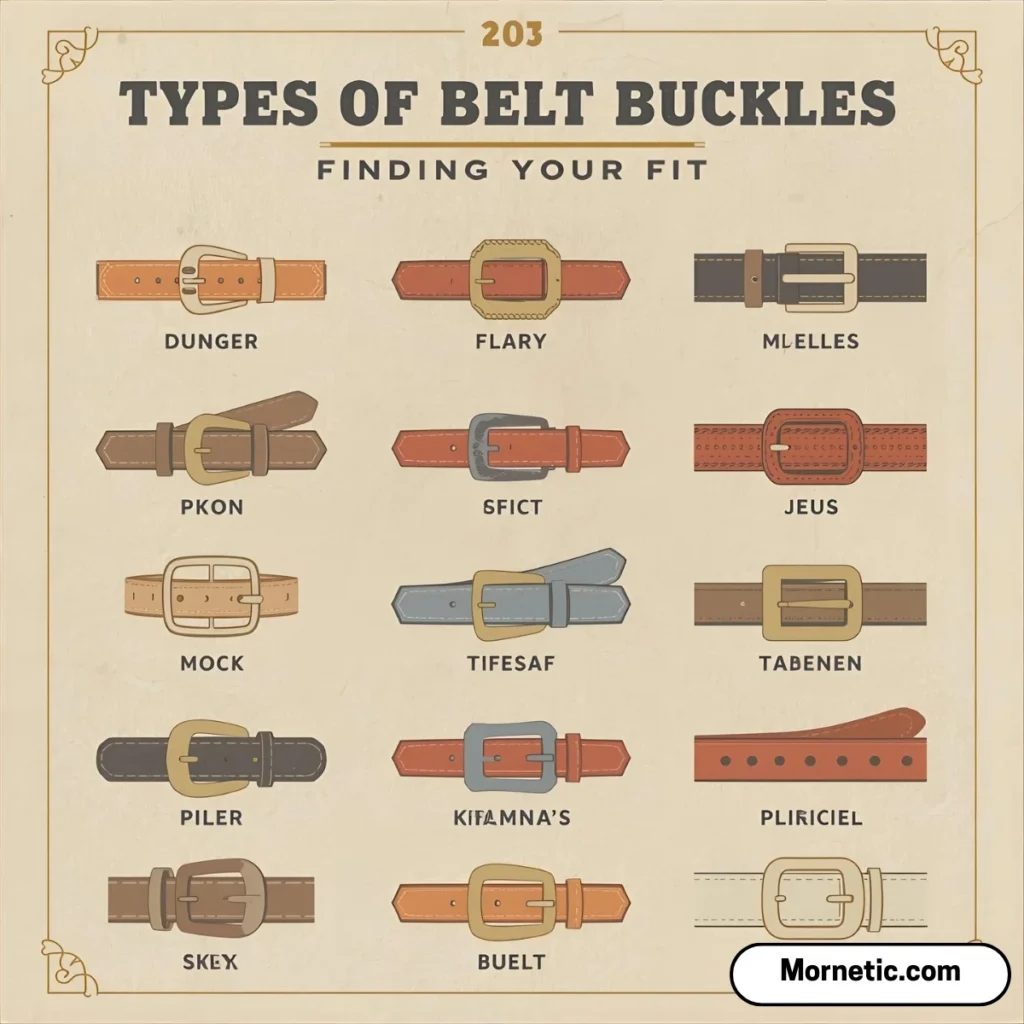
Belt buckles come in several fastening mechanisms, each with its own style and use case.
1. The Prong Buckle (or Frame Buckle):
The most common type. The belt wraps around the bar, and the prong locks into a hole. Ideal for everyday leather belts and offers a secure fit. The classic choice for business casual and formal wear.
2. The Plate Buckle:
Here, the buckle is a solid plate that attaches permanently to one end of the belt. The other end passes through a loop and often fastens with a snap or hook onto the plate’s back. Common on military, tactical, and many casual woven belts. Offers a sleek, uninterrupted look on the front.
3. The Box Frame Buckle:
A variation of the prong buckle with a fully enclosed frame, giving it a very clean, modern appearance. Often used on dress belts.
4. The Western Buckle:
Characterized by its large, decorative front plate (often silver or brass) and a separate “keeper” that the belt tip slides into. It uses a prong mechanism on the back. A bold statement piece rooted in cowboy culture.
5. The Ratchet Buckle (or No-Hole Buckle):
A modern innovation. Instead of holes, the belt has a track of tiny teeth. The buckle mechanism clicks into place at micro-adjustable intervals, offering a perfect fit every time. Popular in activewear and modern casual belts.
Belt Buckle Materials: A Guide to Quality & Look
The material dictates durability, weight, and aesthetic.
- Brass: Classic, warm, and develops a rich patina over time. Common in military and heritage styles.
- Stainless Steel: Durable, corrosion-resistant, and has a bright, modern sheen. Great for everyday wear.
- Sterling Silver: The traditional metal for high-end Western and jewelry-style buckles. Requires polishing to maintain its luster.
- Zinc Alloy (Zamak): A cost-effective material often used for detailed, cast buckles. It’s lighter but can be plated to look like brass or silver.
- Titanium & Carbon Fiber: Modern, lightweight, and high-tech options, offering superior strength-to-weight ratios and a contemporary vibe.
Belt Buckle Sizing Decoded: A Foolproof Measurement Guide
A common frustration is buying a beautiful buckle that doesn’t fit your belt. Here’s your definitive guide:
For Belts with a Removable Buckle (Prong Style):
- Remove your current buckle. Note how the belt tongue folds over the bar.
- Measure the Width. This is the most critical measurement. Use a ruler to measure the inside width of the belt loop where the buckle’s bar will go. This is your required buckle frame width (e.g., 1.5 inches).
- Check the Attachment. Most buckles use a single or double rectangular prong on the back. Ensure the distance between these prongs matches the spacing of the holes on your belt tongue.
For Plate-Style Belts: The buckle is usually permanent. When buying a new belt, focus on the belt length and plate width that suits your style.
Pro Tip: When in doubt, choose a buckle with a slightly smaller frame width than your belt loop. A belt can be trimmed down, but you can’t make a loop wider.
How to Choose the Right Belt Buckle for Your Style
Matching your belt buckle to the occasion is key to looking polished.
- Formal/Business: Opt for a simple, elegant prong or box frame buckle in polished stainless steel, silver, or brass. It should be modest in size (1.5” to 1.75” wide) and color-coordinated with your shoes and watch. Understated is the rule.
- Business Casual/Everyday: You have more freedom. A classic prong buckle in brass or matte finishes works well. This is also where simpler Western or heritage-style buckles (like a tooled leather loop) can add character without being overpowering.
- Casual/Weekend: Express yourself. Larger Western buckles, novelty designs, or vintage finds are perfect here. Ratchet buckles on casual webbing belts are great for comfort and a modern look.
- Tactical/Workwear: Durability is key. Look for sturdy plate buckles in black oxide or parkerized steel, often with quick-release mechanisms.
The Sentimental & Strategic Guide to Custom Belt Buckles
This is where a belt buckle transforms from an accessory into a legacy piece. Custom buckles are unparalleled for gifts, team awards, brand merchandise, or family heirlooms.
Why Go Custom?
- Ultimate Personalization: Incorporate initials, family crests, logos, or meaningful symbols.
- Unmatched Quality: Commissioning a piece often means better materials and craftsmanship.
- Lasting Impact: A well-made custom buckle tells a story for generations.
The Customization Process:
- Concept: Sketch your idea or gather inspiration images.
- Choose a Method:
- Engraving: Laser or hand-engraving adds fine detail to a plain metal surface.
- Casting: Molten metal is poured into a custom mold. Ideal for 3D designs and larger runs.
- Stamping: A die stamps the design into the metal. Great for textured, rustic looks.
- Select a Craftsman: Seek out reputable jewelers, silversmiths, or specialized buckle makers. Review their portfolios.
- Finalize & Wait: Approve a digital or wax model before the final piece is made. Patience is key for a quality result.
How to Change a Belt Buckle: A Step-by-Step Tutorial
Swapping a buckle can revitalize an old belt. You’ll usually need a small screwdriver.
For Screw-Prong Buckles:
- Lay the belt flat, back side up.
- Locate the small screws on the buckle’s attachment prongs.
- Use the screwdriver to carefully remove the screws. Tip: Place them in a bowl so they don’t roll away!
- Slide the old buckle off and the new one on.
- Align the new buckle’s prongs with the holes on the belt tongue and re-insert the screws. Tighten firmly but don’t strip the threads.
For Riveted Buckles: This is more permanent. Removal requires drilling out the rivets, and attachment requires a rivet setter kit or a visit to a cobbler/leatherworker.
Belt Buckle Care & Maintenance: Keep It Pristine
Proper care extends the life and beauty of your buckle.
- Regular Cleaning: Wipe with a soft, dry cloth after wear. For dirt or fingerprints, use a mild soap solution and a soft toothbrush, then dry thoroughly.
- Polishing: Use a dedicated metal polish (e.g., for silver, brass, or stainless steel) to restore shine. Apply with a cloth, buff, and remove all residue.
- Storage: Store belts buckled or laid flat. Keep buckles separated in a soft pouch or cloth to prevent scratches.
- Avoid: Harsh chemicals, chlorine, salt water, and prolonged moisture. Remove your belt before sports or heavy manual labor.
Beyond the Basics: Niche Styles & Subculture Significance
The belt buckle carries deep meaning in various communities.
- Equestrian: Show buckles are often understated but high-quality, ensuring they don’t snag on equipment. Craftsmanship is paramount.
- Biker (Motorcycle): Often large, made of heavy steel or chrome, featuring club logos, eagles, or skulls. They symbolize brotherhood and identity.
- Uniform & Military: Governed by strict regulations, these buckles denote branch, rank, and unit. They are symbols of service and pride.
- Heritage & Workwear: Inspired by early 20th-century industries, these feature simple, robust designs in brass or iron, valuing function and history over flash.
Modern Trends: The Belt Buckle in 2025 & 2026
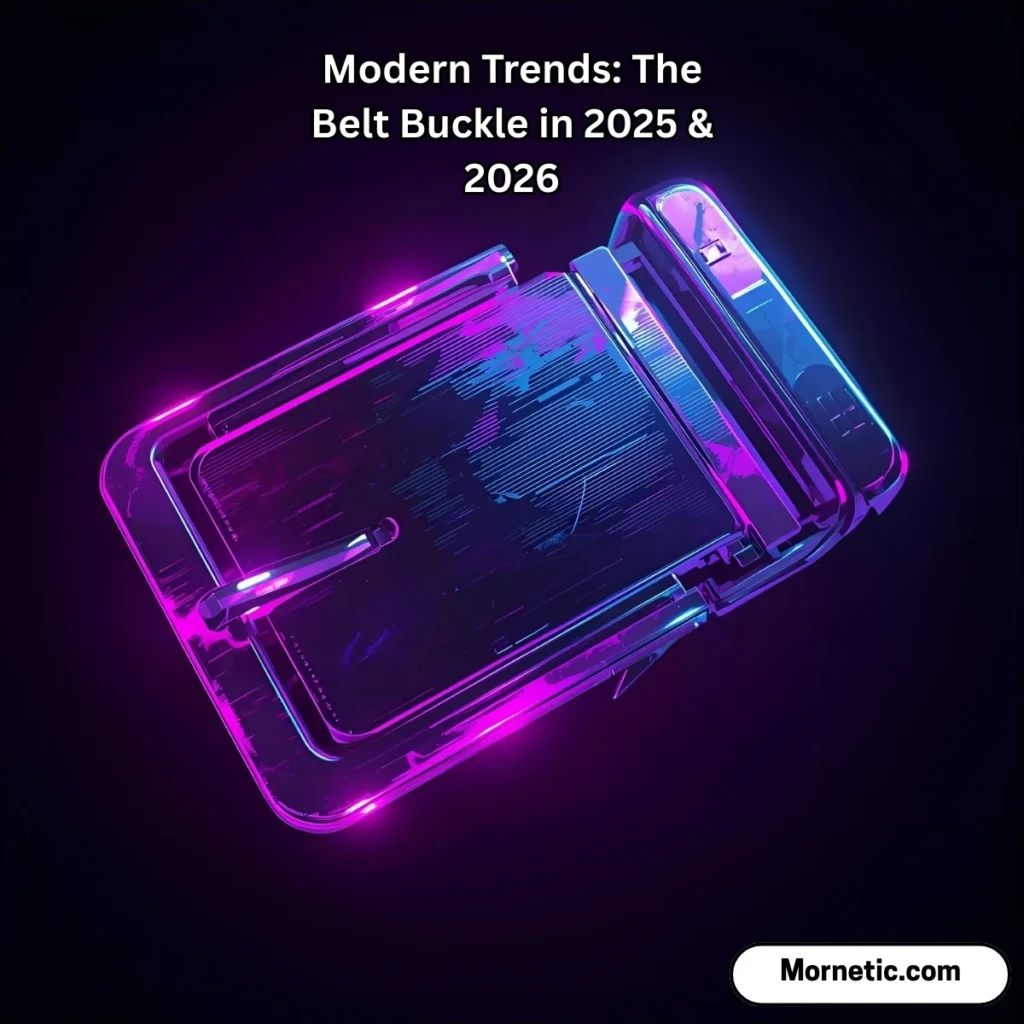
While classic styles endure, new trends are emerging:
- Minimalist & Architectural: Geometric shapes, clean lines, and matte finishes.
- Sustainable Materials: Buckles made from recycled metals, reclaimed wood inlays, or bio-based resins.
- Tech Integration: Slim buckles designed to integrate with magnetic money clips or minimalist wallet attachments. Some even incorporate passive RFID-blocking plates for security.
- Gender-Fluid Designs: The move away from strictly “men’s” or “women’s” buckles toward versatile, size-based styles.
Top 3 Common Belt Buckle Problems (and How to Fix Them)
- Prong Won’t Stay in the Hole: The prong may be bent or worn. Carefully bend it back to a 90-degree angle with pliers. If it’s too short, a leatherworker can replace it.
- Buckle is Loose or Wobbly: Tighten the attachment screws. If riveted, a cobbler can re-rivet it securely.
- Tarnish or Corrosion: Follow the polishing guide above. For severe pitting on plated buckles, a professional replating might be needed, or it may be time for a stylish replacement.
FAQs About Belt Buckles
Q: Can I wear a large Western buckle with a suit?
A: Generally, no. Traditional suit etiquette calls for a slim, understated buckle. A large Western buckle is a casual statement and would clash with formal tailoring.
Q: How do I know if a vintage belt buckle is valuable?
A: Look for hallmarks (sterling silver marks, maker’s stamps), signs of fine craftsmanship (hand-tooling, intricate inlay), and its condition. Renowned makers like Edward H. Bohlin or pieces from significant rodeos/events can hold considerable value. Consulting an antique jewelry expert is best.
Q: Are ratchet buckles considered less formal?
A: Currently, yes. Their modern, technical appearance aligns them with casual, business casual, or techwear styles. They are not yet accepted with traditional formalwear.
Q: How tight should my belt buckle be?
A: The belt should be snug enough to hold your pants comfortably without digging in. You should be able to fit one finger easily between the belt and your waist. The buckle itself should sit centered without twisting.
Q: What’s the best way to clean a tarnished silver belt buckle?
A: Use a paste of baking soda and water or a dedicated silver polish. Apply with a soft cloth, rub gently in the direction of the grain/pattern, rinse thoroughly, and dry completely. For heirloom pieces, consider professional cleaning.
Conclusion:
From holding up your pants to holding stories of history, culture, and personal identity, the belt buckle is a small detail with outsized impact. Whether you’re investing in a custom piece, mastering the art of the style match, or simply ensuring a perfect fit, this guide empowers you to make confident choices. So, take a look at your collection—or start a new one—and let this versatile accessory work for you.
Found this guide helpful? Share it with a friend who needs a style upgrade, or leave a comment below with your favorite buckle style!

Grace is a lifestyle writer from California who loves starting mornings with positivity. At Mornetic, she shares uplifting quotes and cheerful messages to brighten your day.